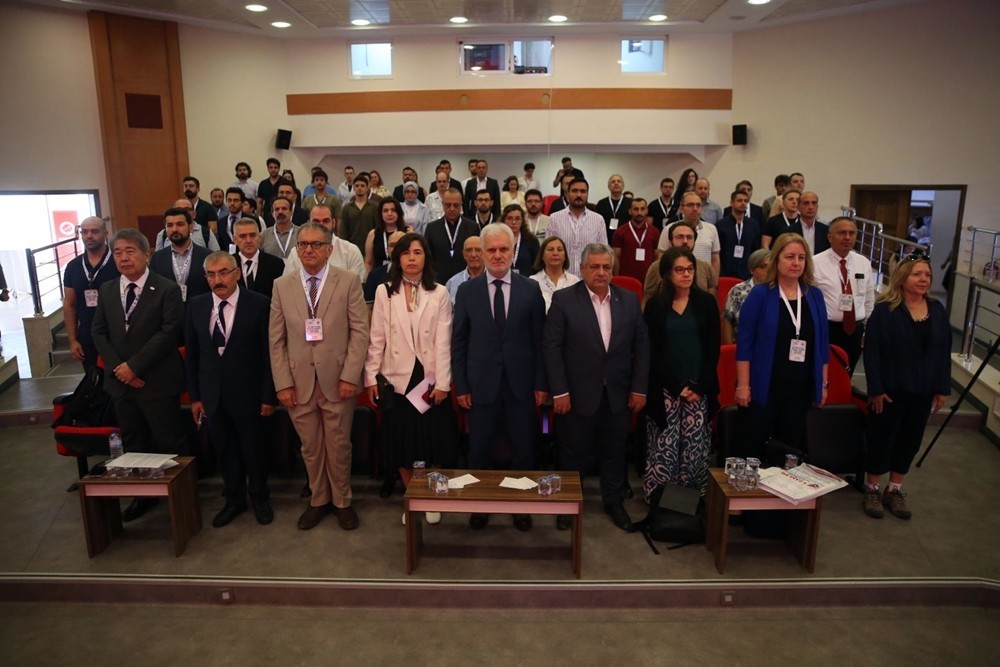
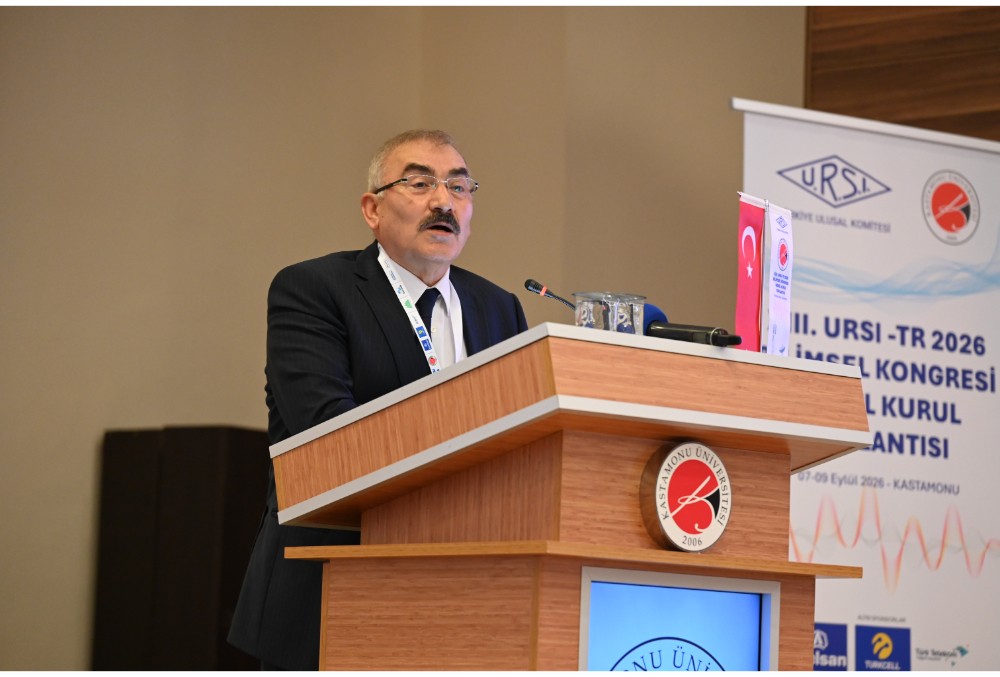
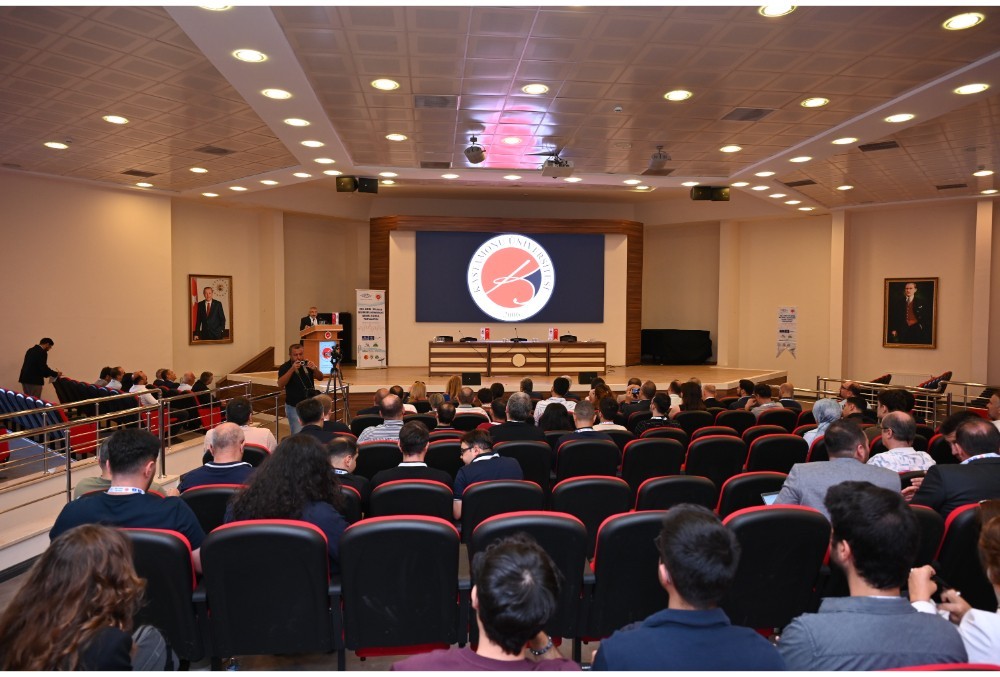
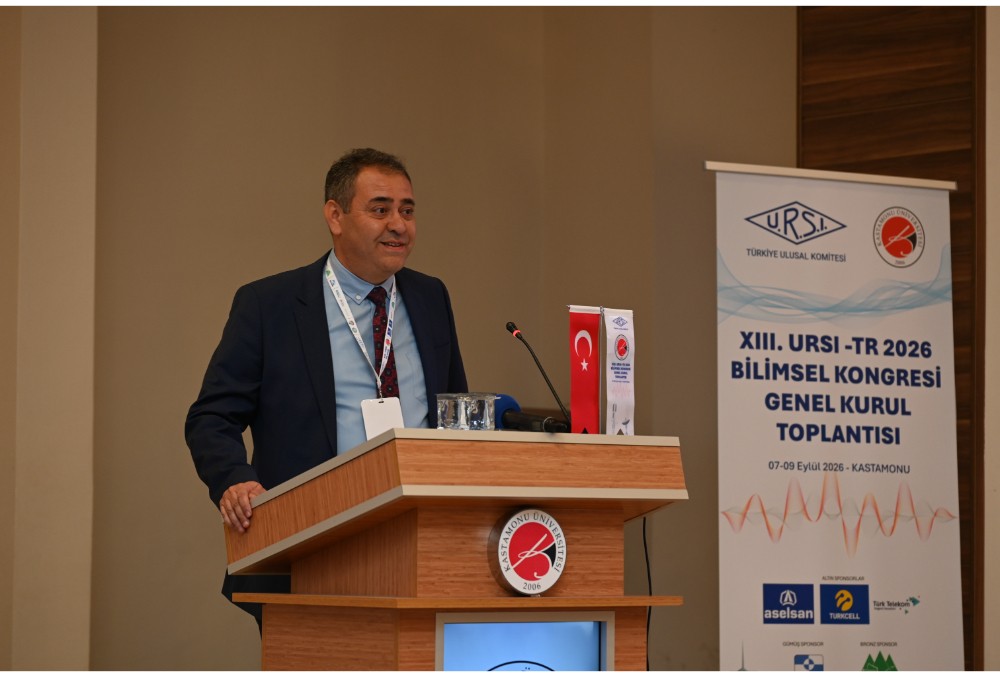
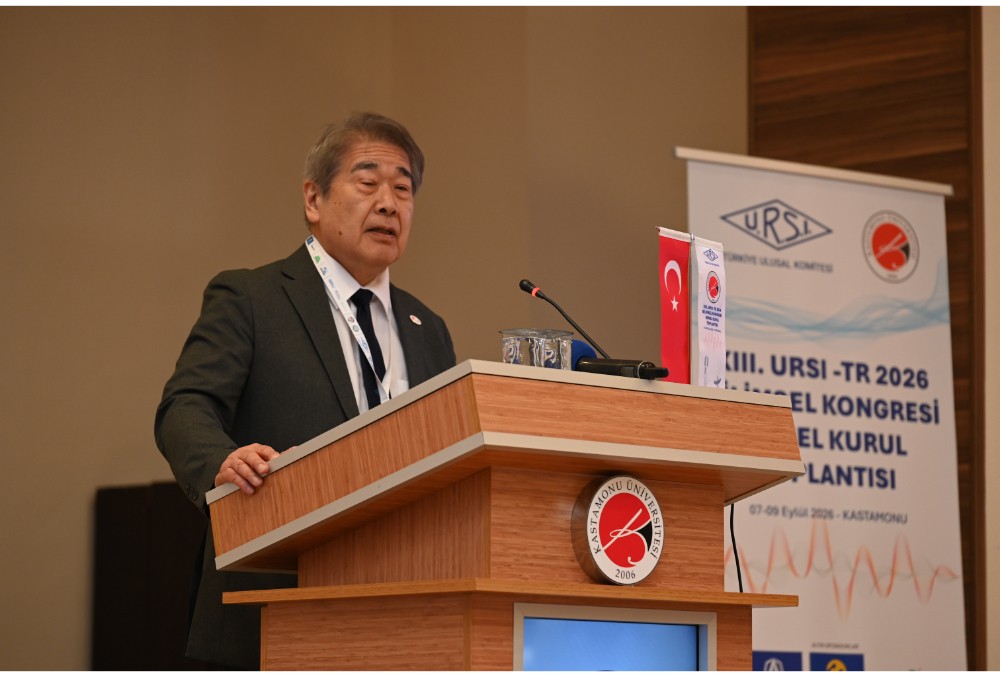
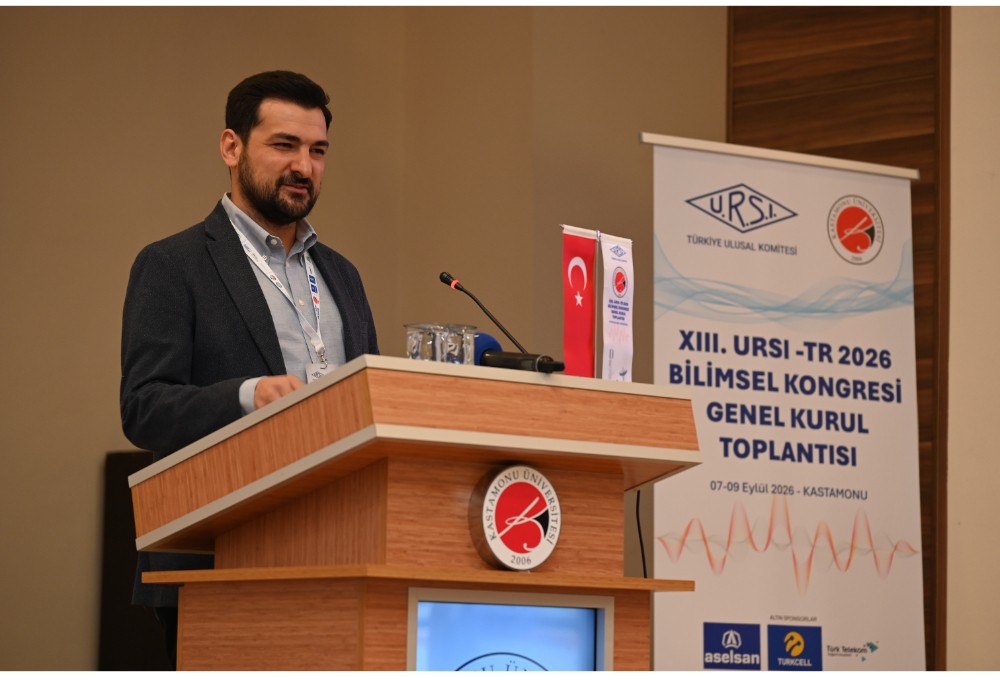
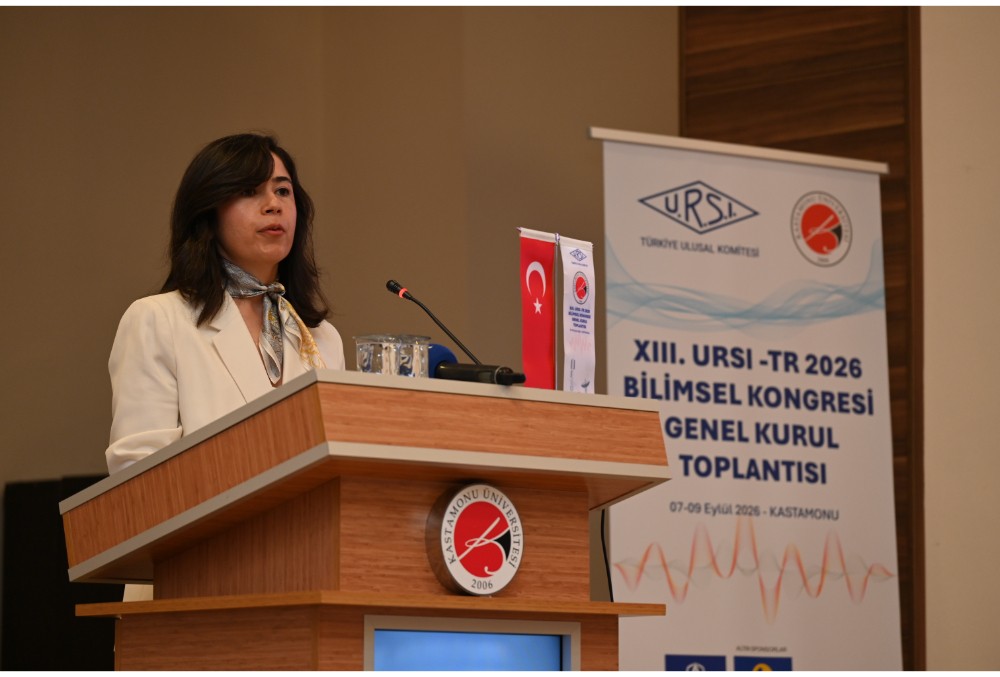
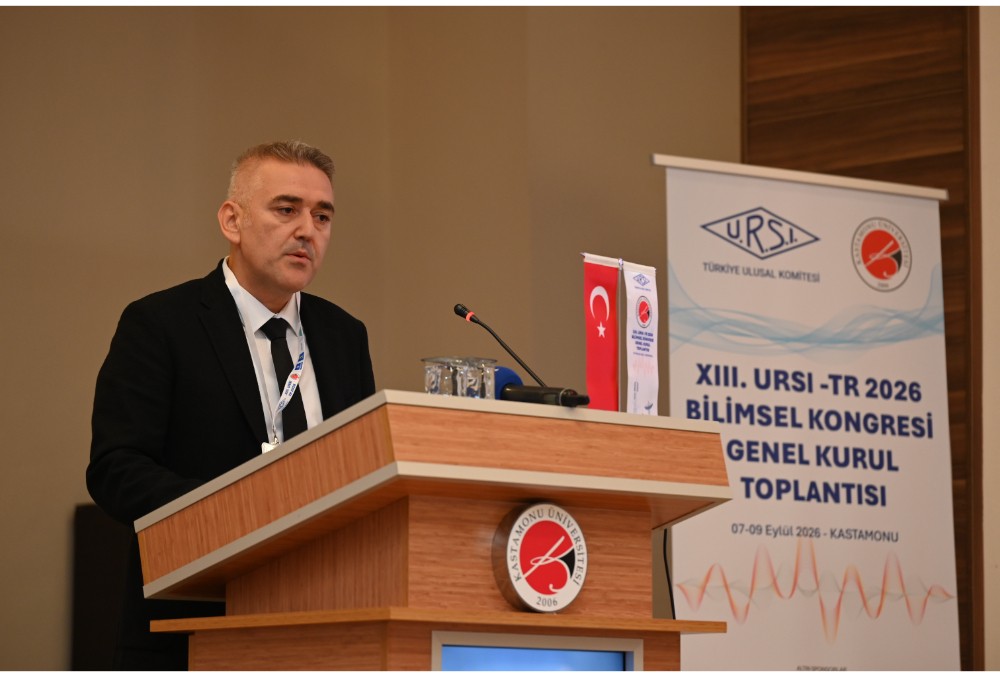
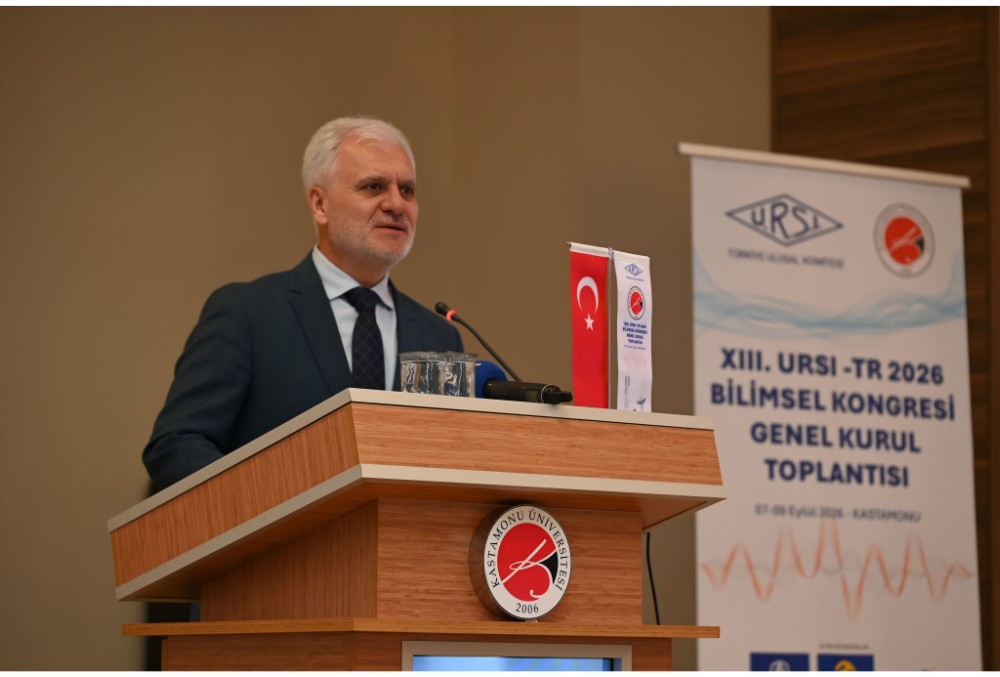
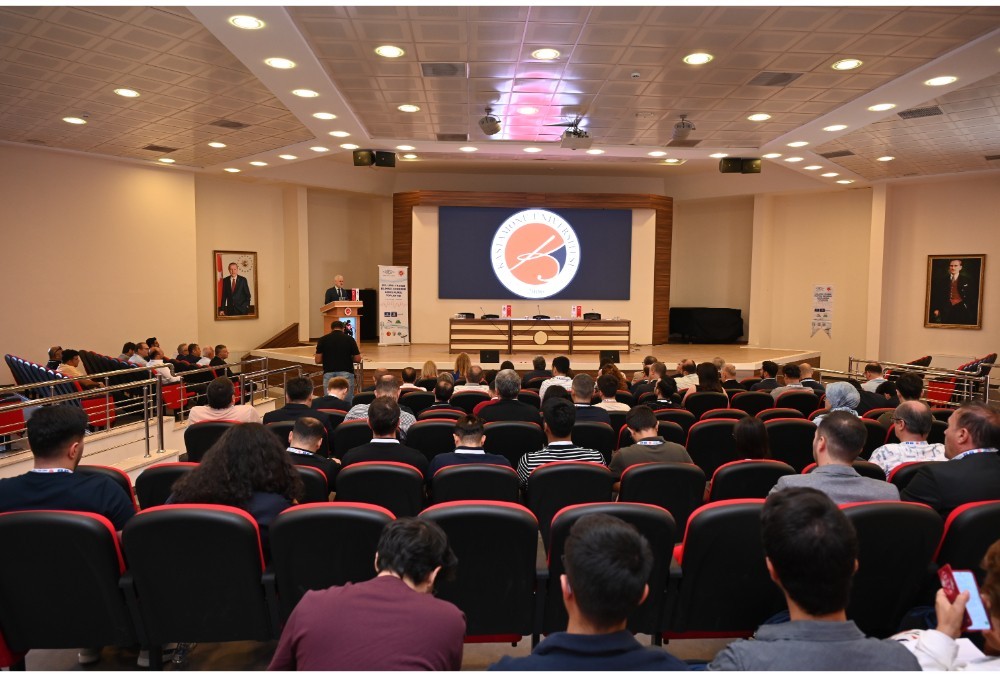
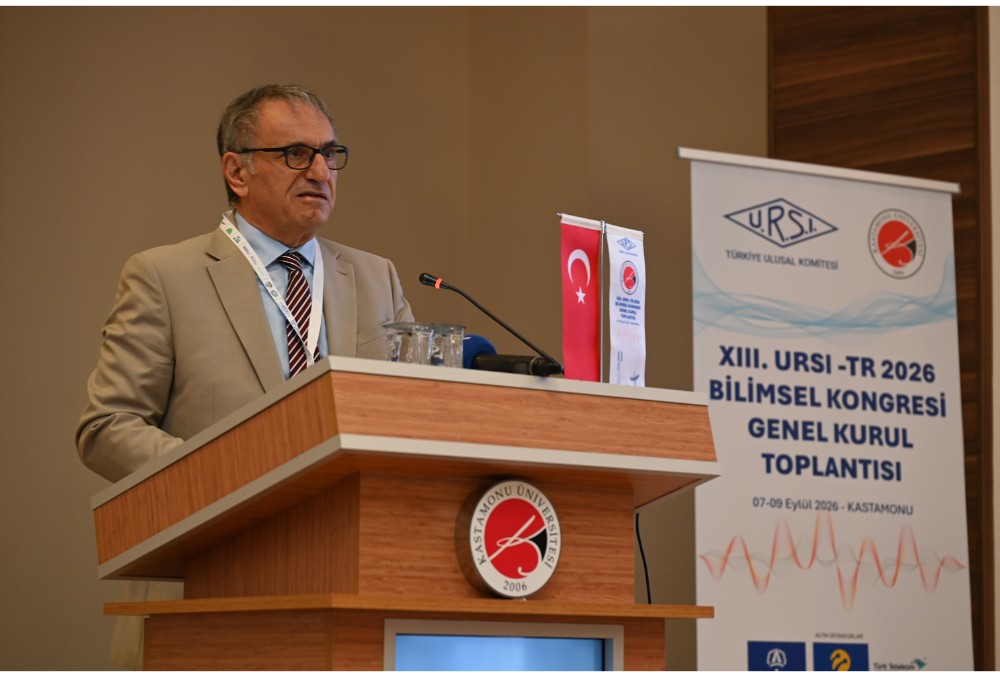
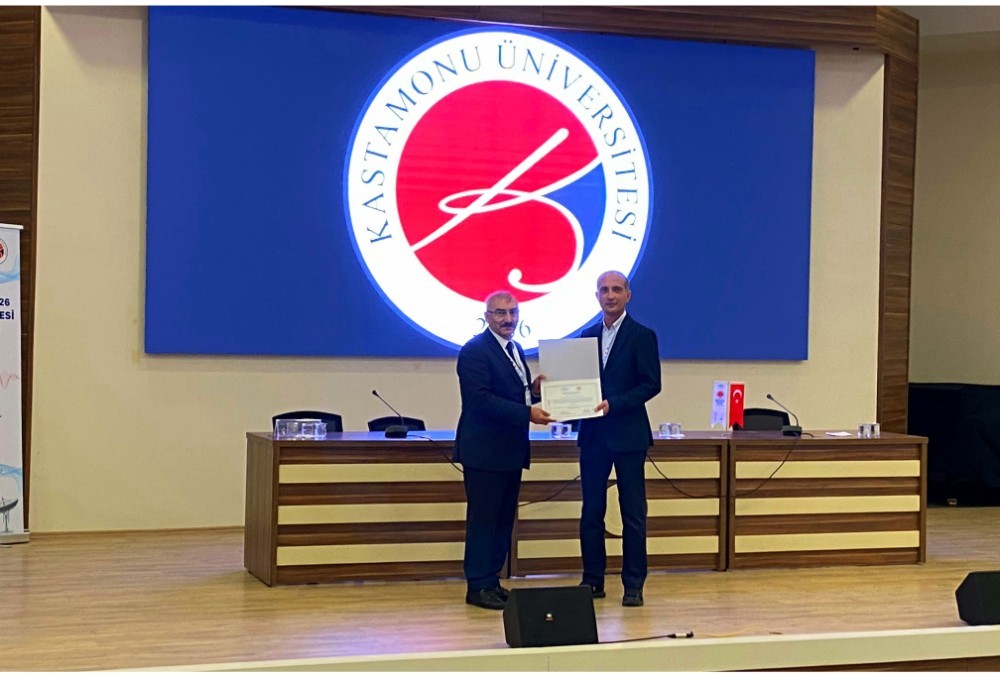
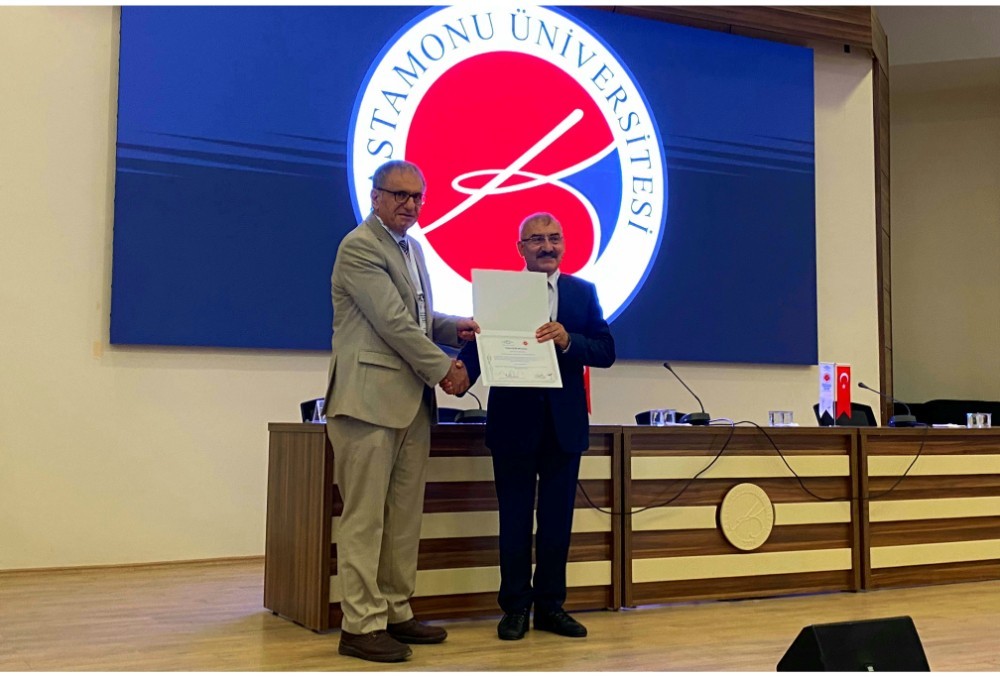
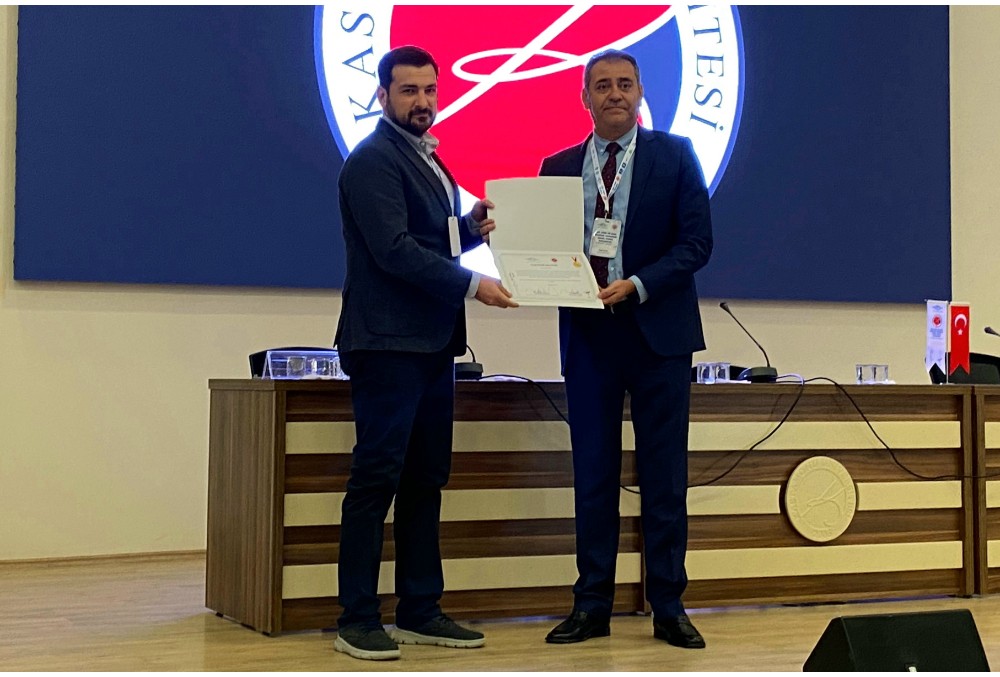
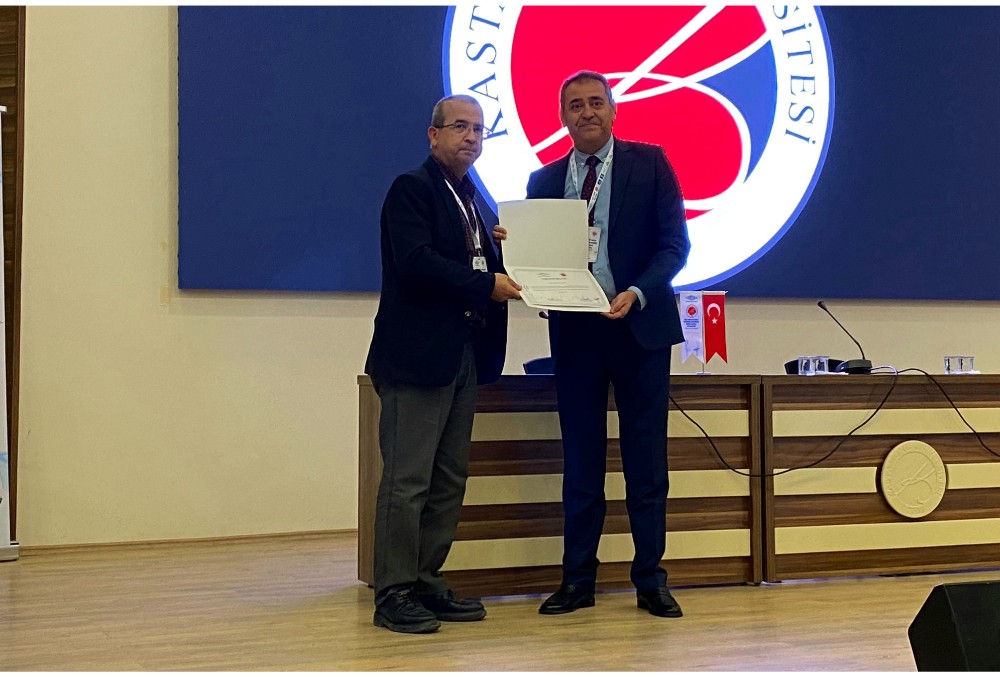
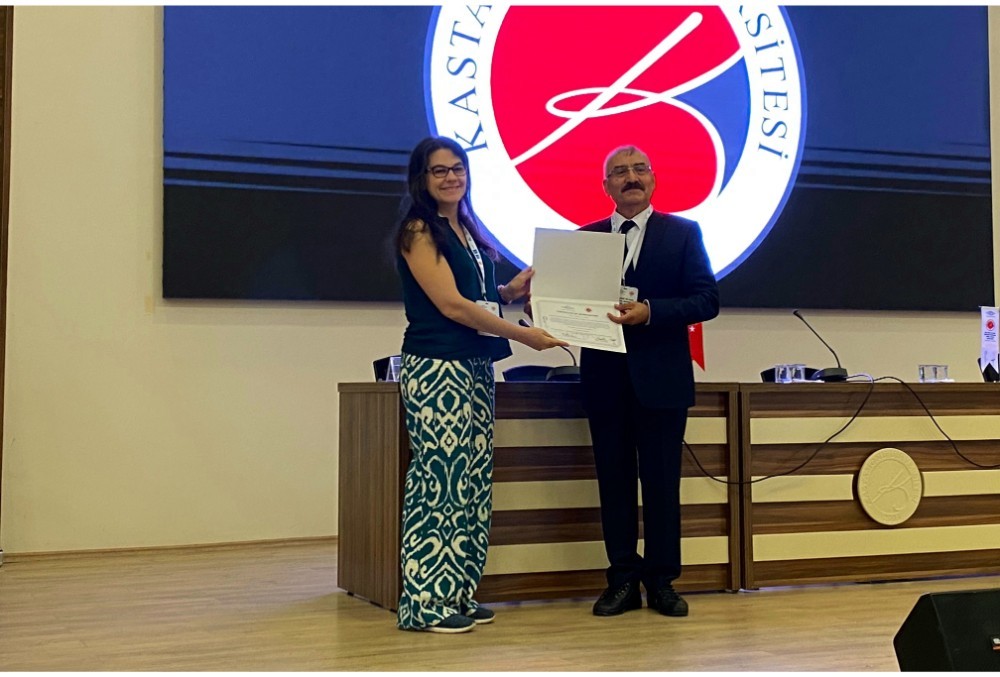
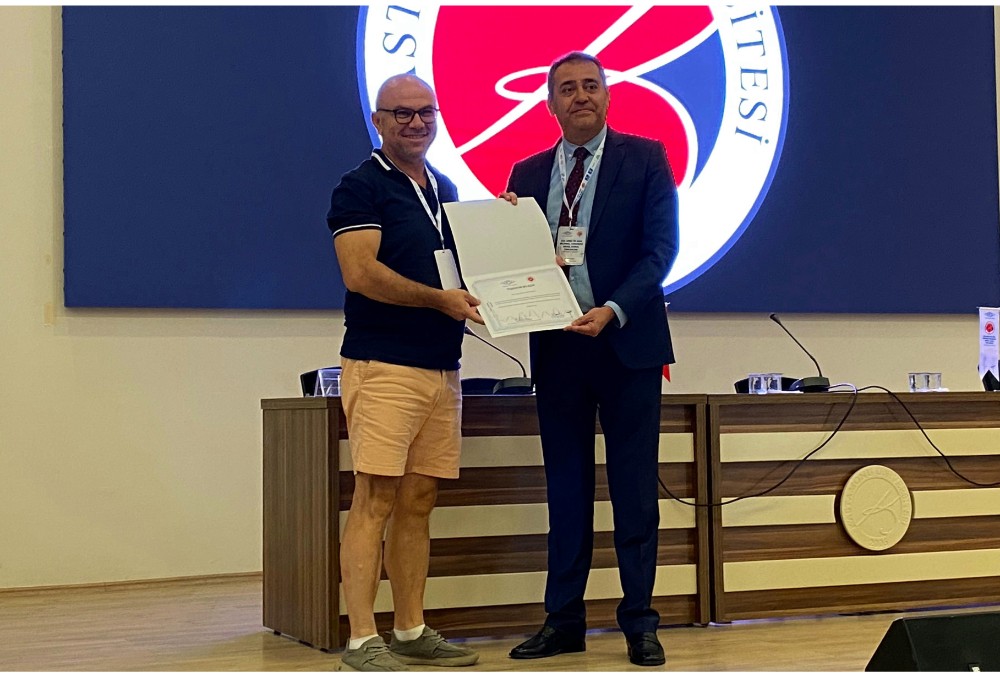
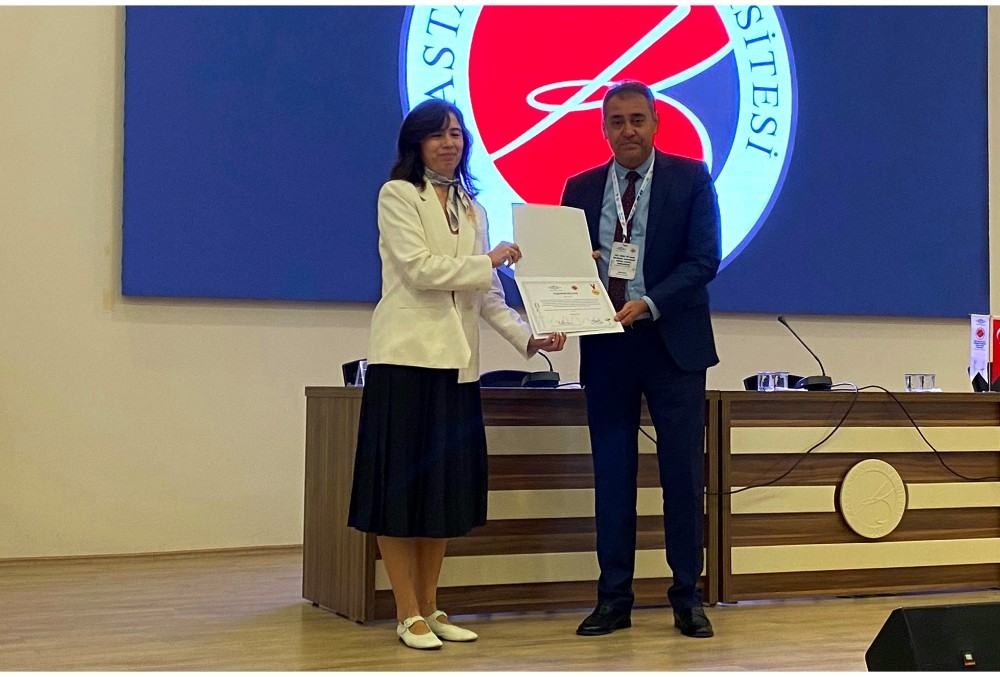
The URSI-TR 2026 National Congress, hosted by Kastamonu University, brought together scientists, researchers, students, and industry representatives working in the fields of radio science and electromagnetics in Kastamonu. Held from September 7 to 9, 2026, the opening ceremony of the congress took place at the Hoca Ahmet Yesevi Cultural Center.
The opening ceremony was attended by Vice Rector Prof. Dr. Ömer Küçük, Dean of the Faculty of Engineering and Architecture Prof. Dr. İzzet Şener, URSI President Prof. Dr. Kazuya Kobayashi, and President of the URSI Türkiye Committee Prof. Dr. Ayhan Altıntaş, as well as academics, students, and industry representatives.
The ceremony began with a moment of silence and the Turkish National Anthem. The first speaker was Prof. Dr. Ayhan Altıntaş, President of the URSI Türkiye Committee. Altıntaş emphasized the significance of the congress in bringing together representatives from academia and industry and contributing to the development of scientific research in radio science and electromagnetics in Türkiye.
Following Altıntaş, Prof. Dr. Özgür Öztürk, Chair of the URSI-TR 2026 National Congress, addressed the participants. Öztürk stated that the strong interest in the congress demonstrated the vitality of scientific research and production in the fields of radio science and electromagnetics in Türkiye. He highlighted the importance of the student paper competition and antenna design competition in supporting young researchers and expressed his hope that the congress would lead to new scientific collaborations and lasting professional connections.
URSI President Kobayashi Thanks Researchers for Their Contributions in Türkiye
Prof. Dr. Kazuya Kobayashi, Emeritus Professor at Chuo University and President of URSI, provided an overview of URSI’s international activities and future initiatives. Noting that he was elected as URSI President for the 2026–2029 term, Kobayashi thanked the academics who have contributed to URSI activities in Türkiye.
Emphasizing the importance of greater participation by young scientists in URSI activities, Kobayashi stated that programs such as the Young Scientist Award and student paper competitions should be further developed. He also announced that a special collection would be published in the journal Radio Science as part of the congress and invited researchers to submit their work to the collection.
Electromagnetics and Future Communication Technologies Discussed
Doğanay Doğan, Hardware Design Director at ASELSAN REHİS, discussed developments in electromagnetics and antenna technologies based on his professional experience. He noted that electromagnetics has a wide range of applications, from mobile phones and automobiles to healthcare, agriculture, defense, and space technologies, and highlighted the growing need for qualified professionals in the field. Referring to the opportunities offered by artificial intelligence in design, optimization, and manufacturing processes, Doğan emphasized the importance of educating a new generation of engineers capable of building bridges between electromagnetics and artificial intelligence.
Fatma Güneş Kesik, New Generation R&D Manager at Turkcell, provided information on the development of mobile communication technologies and ongoing 6G studies. Noting that 6G represents more than simply higher speeds, Kesik stated that the integration of communication and sensing, interoperability between terrestrial and satellite networks, AI-supported networks, new frequency bands, next-generation antennas, and energy efficiency will be key elements of future communication systems. She also emphasized the important role of university-industry collaboration in this transformation.
Mehmet Altuntaş, Director of Mobile Access at Türk Telekom, addressed the applications of radio science and electromagnetics in various fields, particularly communications, the defense industry, space technologies, and healthcare. Referring to 5G and 6G technologies, as well as AI-supported networks, quantum communications, and autonomous technologies, Altuntaş stated that these developments will shape the future communications ecosystem. He also evaluated Türkiye’s transition to 5G technology as of April 1, 2026. Highlighting Türk Telekom’s approximately 570,000-kilometer fiber infrastructure, Altuntaş noted that 5G would contribute to the development of a new ecosystem within communication infrastructure.
Prof. Dr. Ömer Küçük: “Meeting Points Where the Common Future of Science Is Shaped”
The final speech of the opening ceremony was delivered by Vice Rector Prof. Dr. Ömer Küçük. Expressing his pleasure at welcoming scientists and industry representatives to the University, Prof. Dr. Küçük stated that scientific meetings are not merely platforms for presenting academic studies, but also important meeting points where the common future of science is shaped.
Küçük noted that the congress would address current scientific developments across a wide range of topics, from communication systems and satellite technologies to astronomy, electromagnetics, and radar systems. He expressed his hope that the presentations would contribute to the development of new collaborations, research partnerships, and interdisciplinary projects. Küçük also thanked the URSI Türkiye Committee and its members, the Faculty of Engineering and Architecture, academics from the Department of Electrical and Electronics Engineering, industry representatives, and sponsors for their contributions to the organization of the congress.
Invited Speakers Discussed Current Scientific Research
Following the opening ceremony, the scientific program of the congress began. Throughout the day, invited talks were delivered by distinguished academics on a variety of topics.
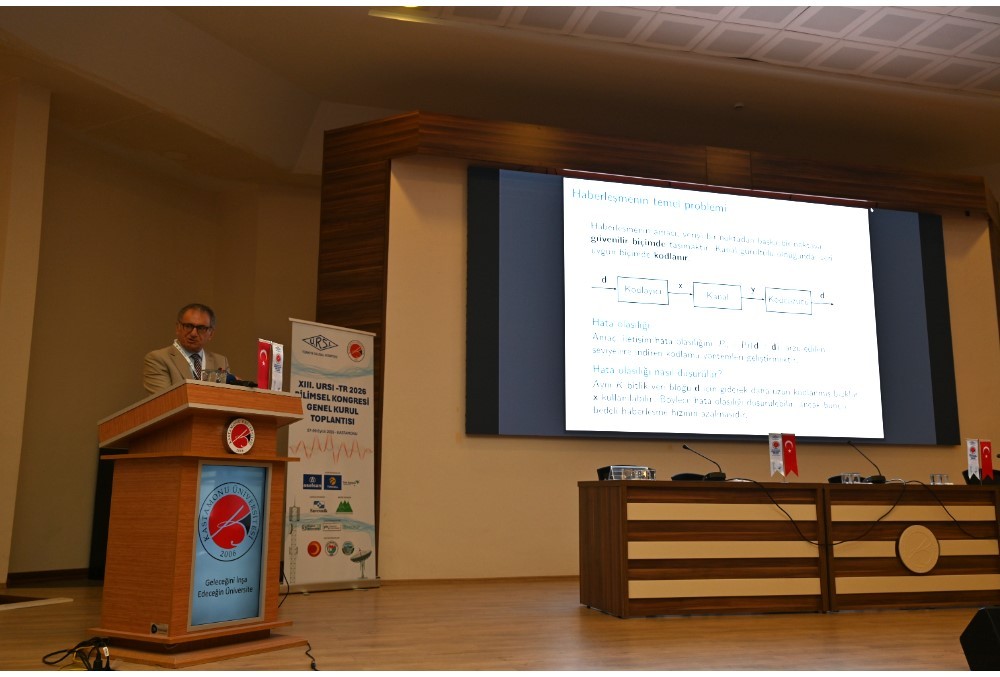
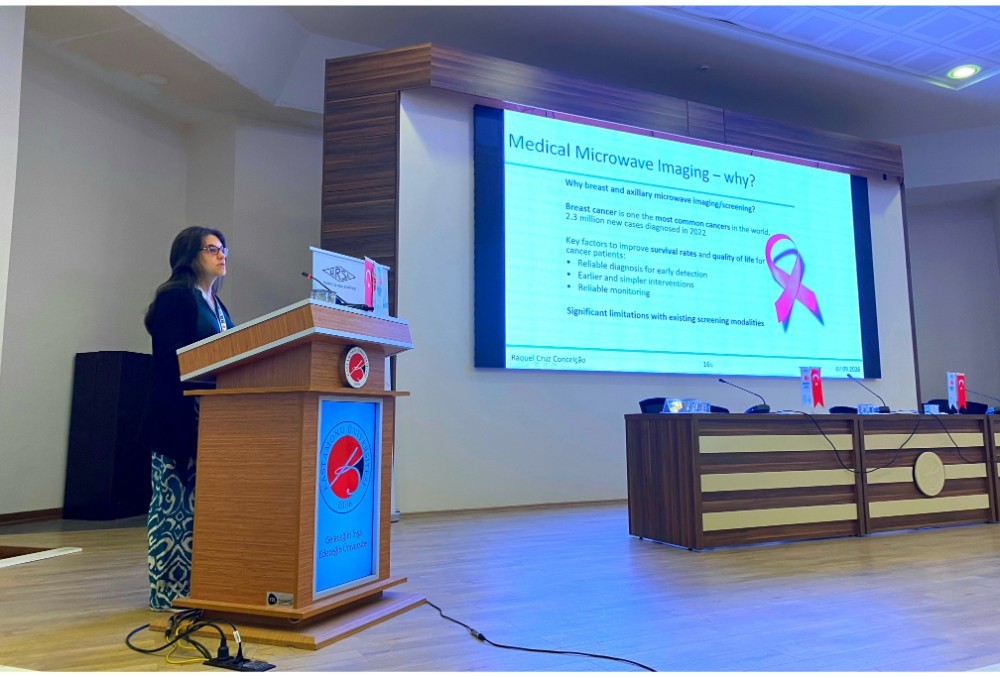
Prof. Dr. Erdal Arıkan discussed information theory and polar codes in his presentation titled “Polar Codes: From Theory to Practice.” Dr. Raquel C. Conceição addressed medical microwave imaging and its applications in cancer detection in her presentation titled “Medical Microwave Imaging to Aid Detection of Breast Cancer and Metastasised Axillary Lymph Nodes.”
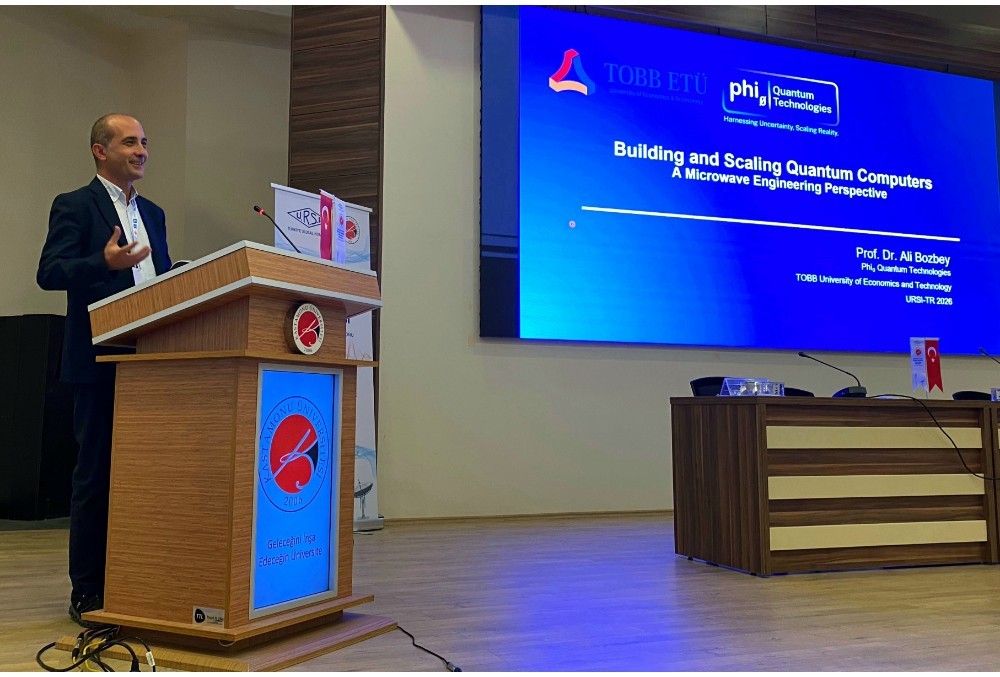
In his presentation titled “Building and Scaling Quantum Computers from a Microwave Engineering Perspective,” Prof. Dr. Ali Bozbey discussed research at the intersection of quantum computing and microwave engineering.
Congress to Continue Through September 9
The congress program will also feature URSI President Prof. Dr. Kazuya Kobayashi with his presentation titled “Radar Cross Section Analysis of Two Canonical, Parallel-Plate Waveguide Cavities with Material Loading,” and Prof. Dr. Altunkan Hızal with his presentation titled “A Phased Array Synthesis to Generate Steerable Hybrid Frequency-Diverse Array and Vortex-Wave Beams Simultaneously, Based on the Field Equivalence Principle.”
The URSI-TR 2026 National Congress will continue to be hosted by Kastamonu University through September 9. The congress program will address current topics in the field, particularly radio science, electromagnetics, antenna technologies, communication systems, satellite technologies, radar systems, quantum technologies, AI-supported networks, and future communication technologies.
A student paper competition and an antenna design competition will also be held as part of the congress program.