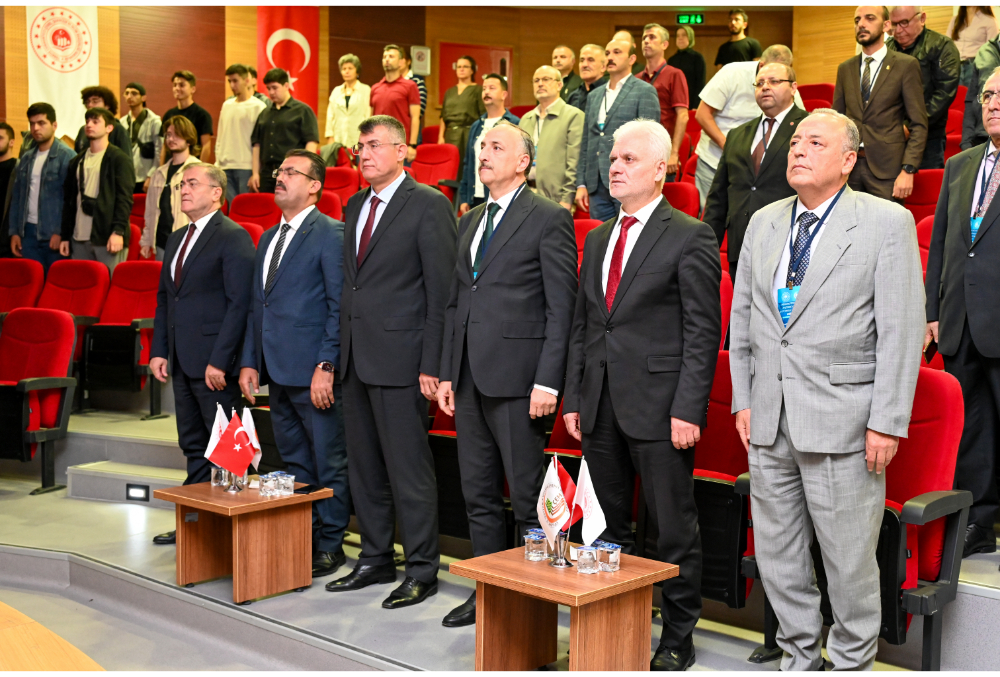
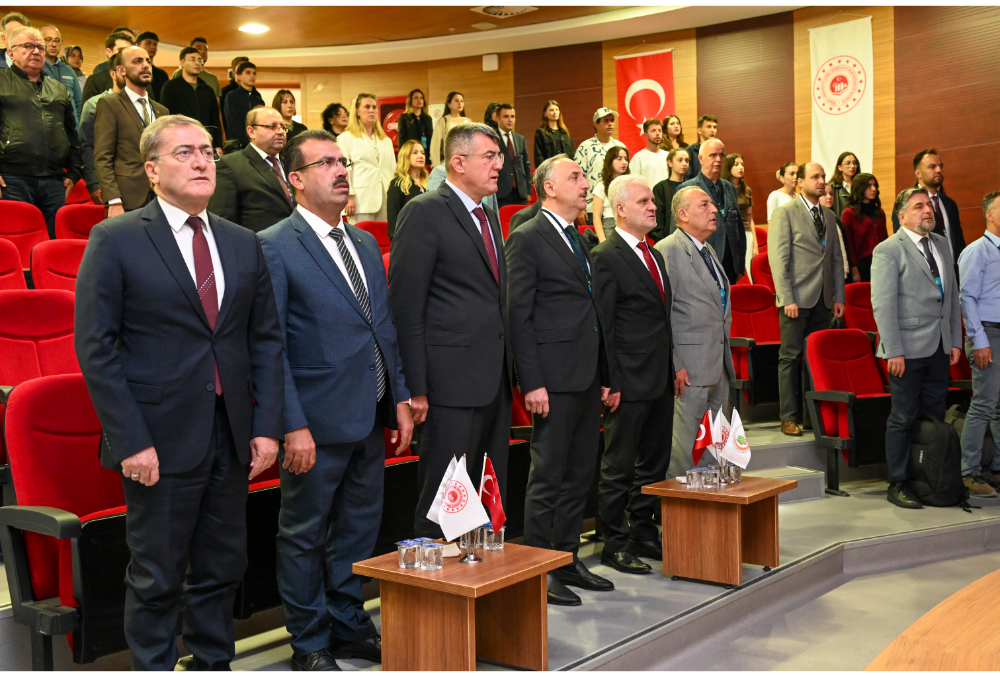
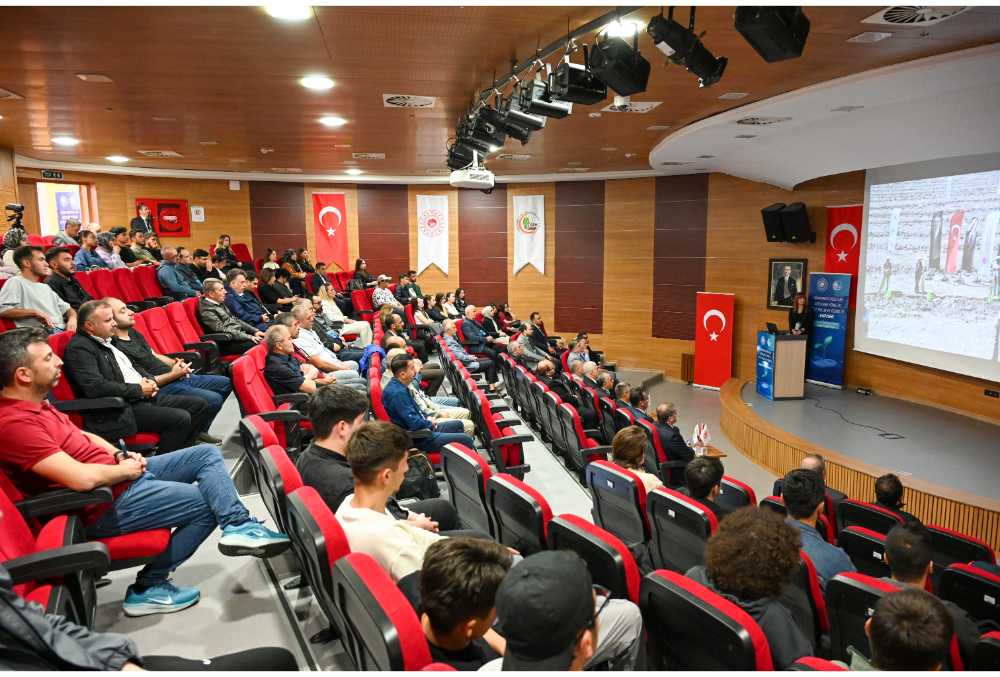
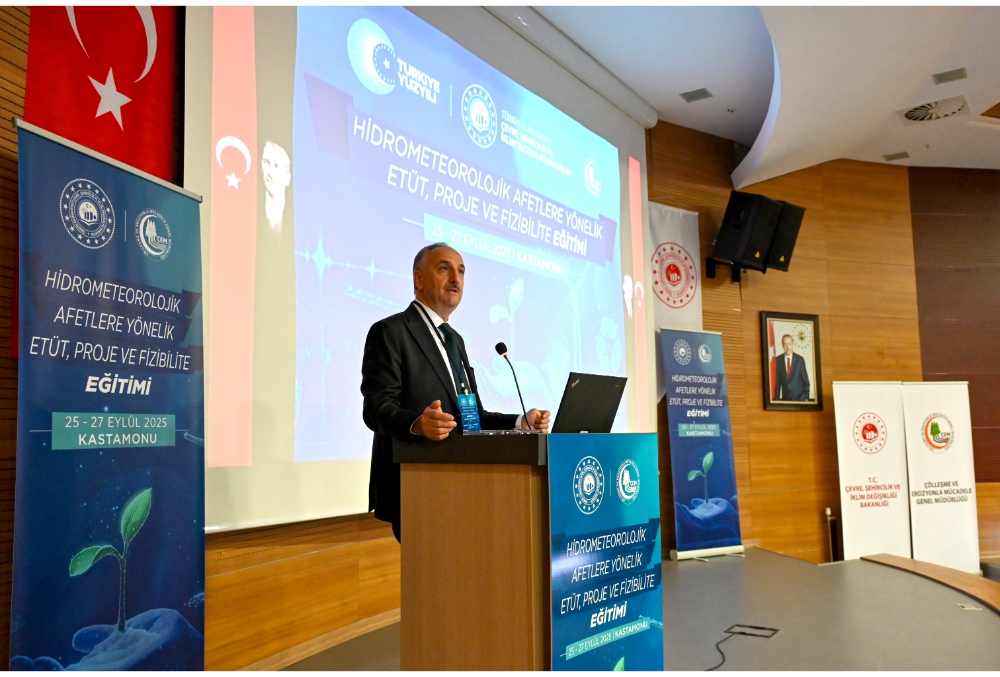
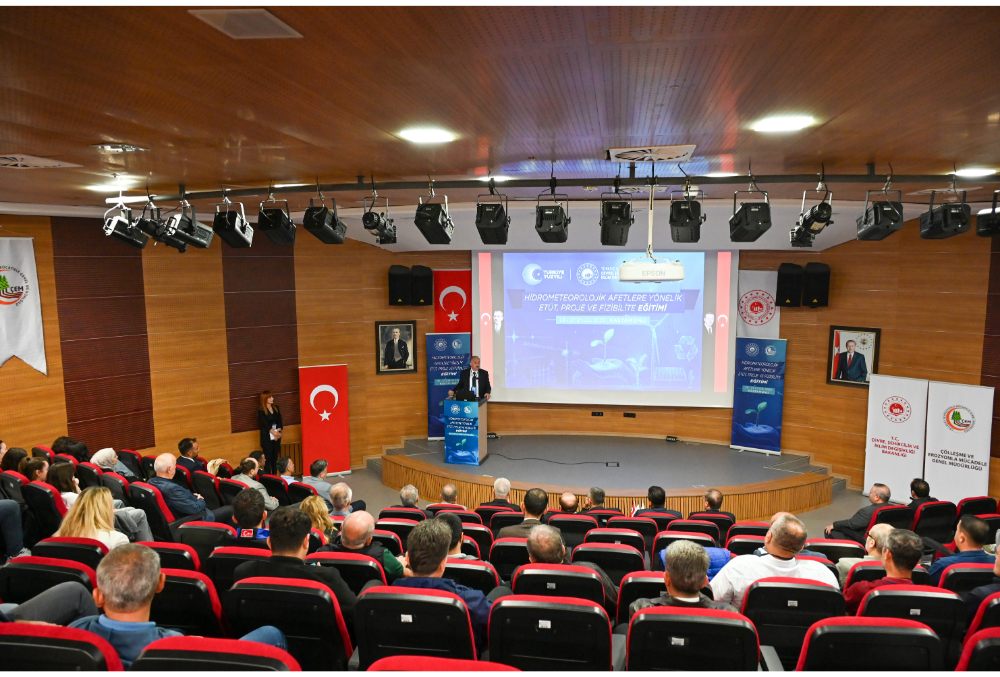
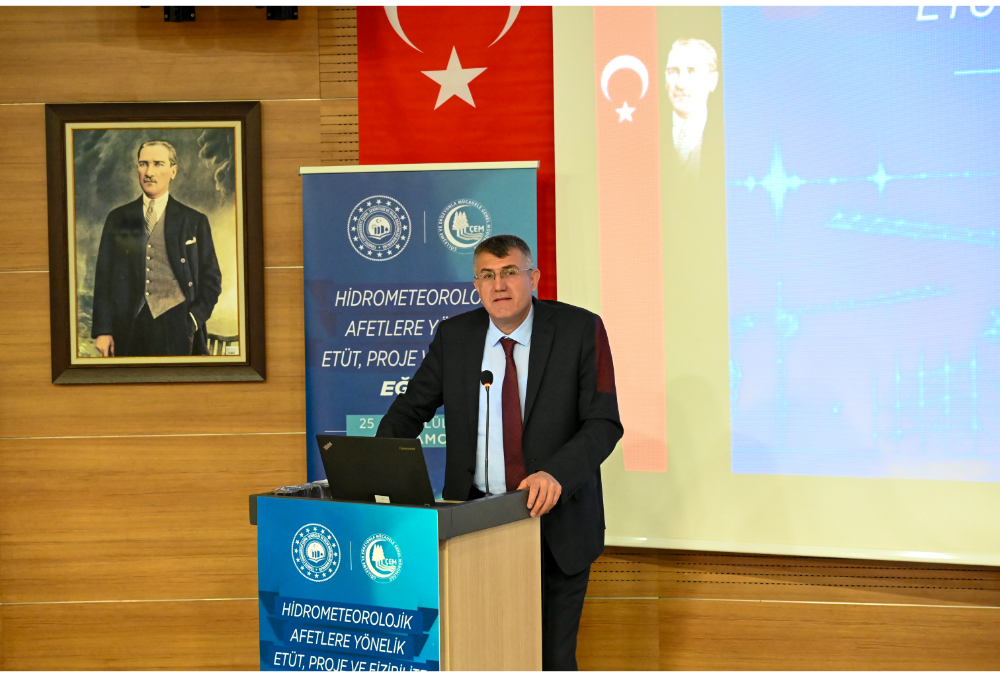
The "Study, Project, and Feasibility Training Program for Hydrometeorological Disasters," organized by the General Directorate of Combating Desertification and Erosion (ÇEM) of the Ministry of Environment, Urbanization, and Climate Change, began at Kastamonu University.
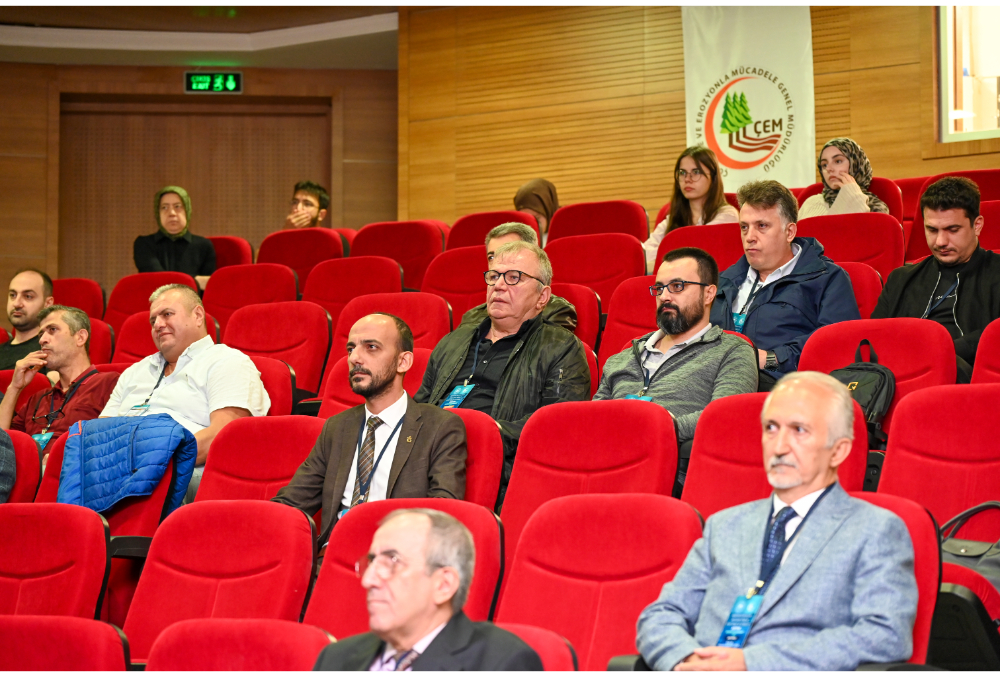
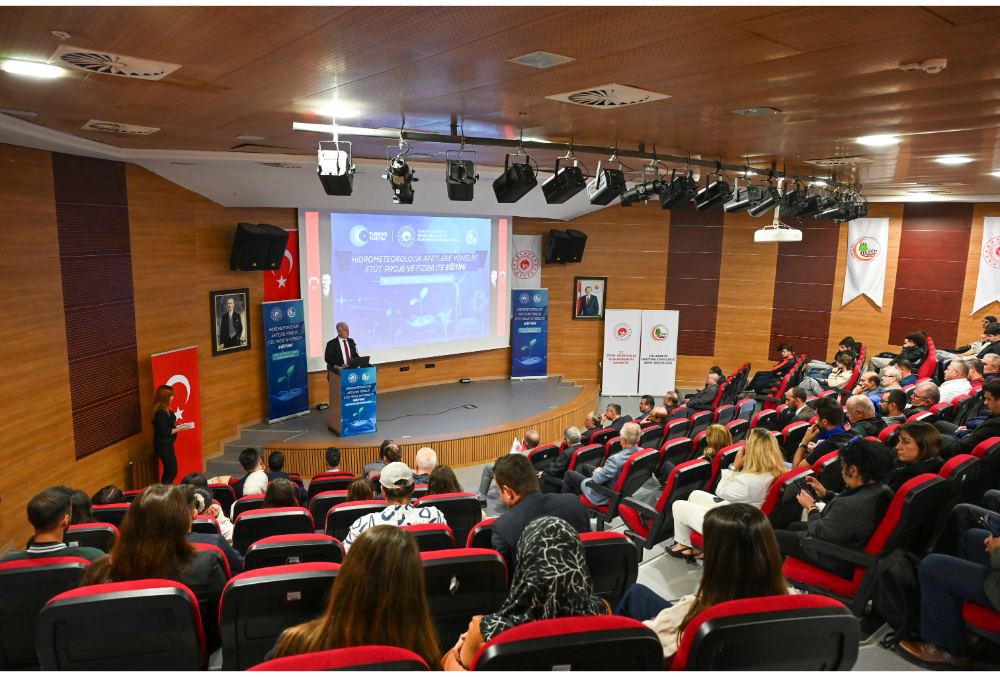
As part of the training held from September 25 to 27, 2025, professionals from different provinces of our country, representatives of public institutions, academics, and students came together in Kastamonu.
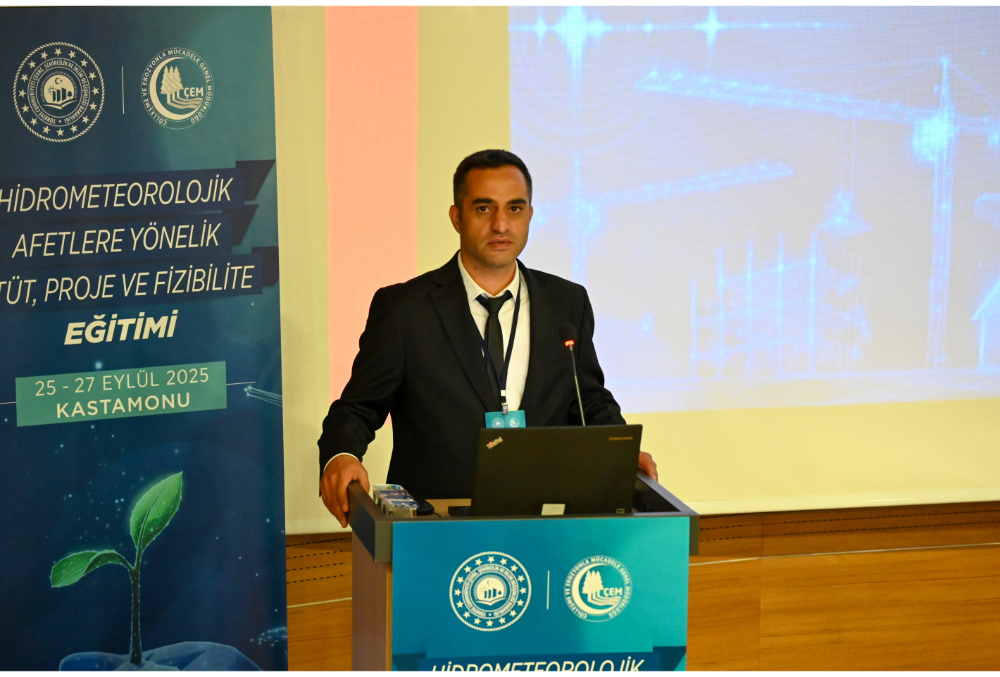
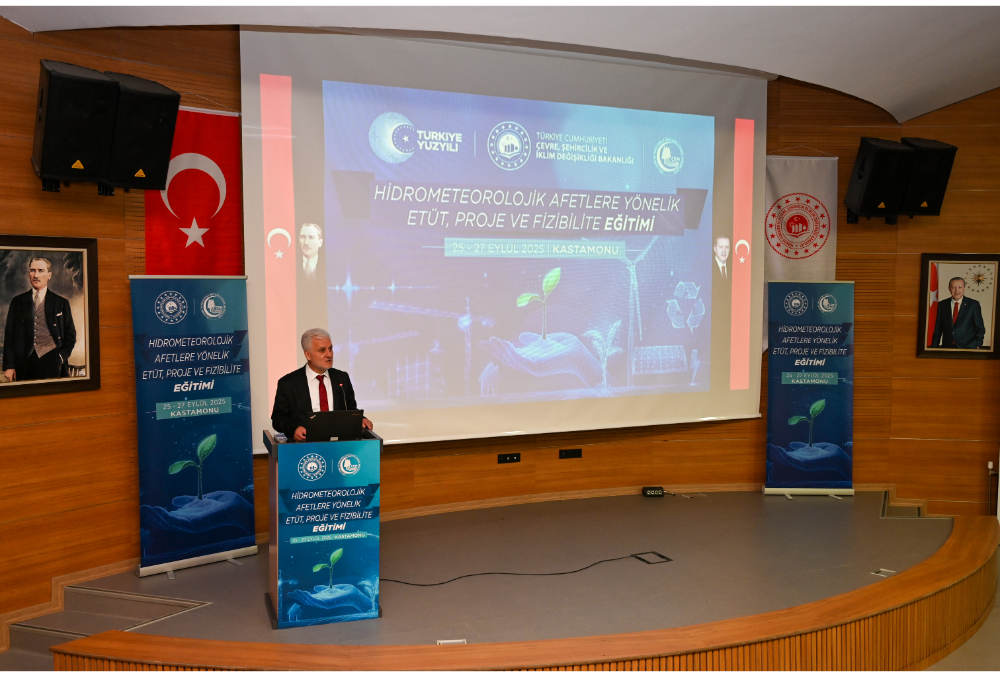
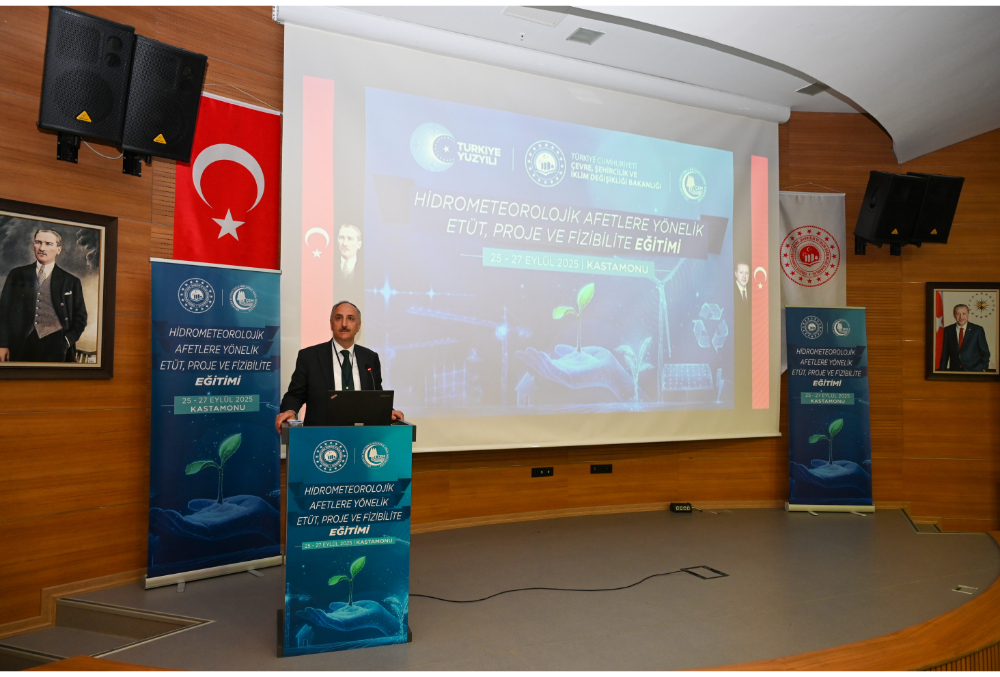
Speaking at the opening session, İlyas Boztaş, Head of the ÇEM Study and Project Department, emphasized that the program's aim is to develop technical knowledge and practices aimed at reducing disaster risks.
Our Vice Rector, Prof. Dr. Ömer Küçük, spoke about the studies our university is conducting on disaster management and ecosystem research, stating, "We are pleased to host such a program in Kastamonu."
In his speech, ÇEM General Manager Prof. Dr. Kasım Yenigün highlighted the importance of sharing information and experience regarding the effects of climate change, flood and landslide risks, upstream basin planning, and ecosystem-based solutions. He stated that the flood disaster in Bozkurt in 2021 once again highlighted the necessity of being prepared for disasters.
Prof. Dr. Yenigün also stated that a total of 8 upper basin flood control projects were completed in 2021-2022 within the scope of the studies carried out by ÇEM in Kastamonu, the "Model Carbon Sink Area Afforestation Project" was implemented in cooperation with Kastamonu University, and the research conducted within the scope of the International Erosion Control Training and Application Project carried out in Tosya was successfully concluded.
In his speech, Kastamonu Deputy Governor Ahmet Atlkan said, "Natural disasters, especially floods and landslides, heavily affect our region." Therefore, the training program organized provides an important opportunity for local governments and relevant institutions,” he said.
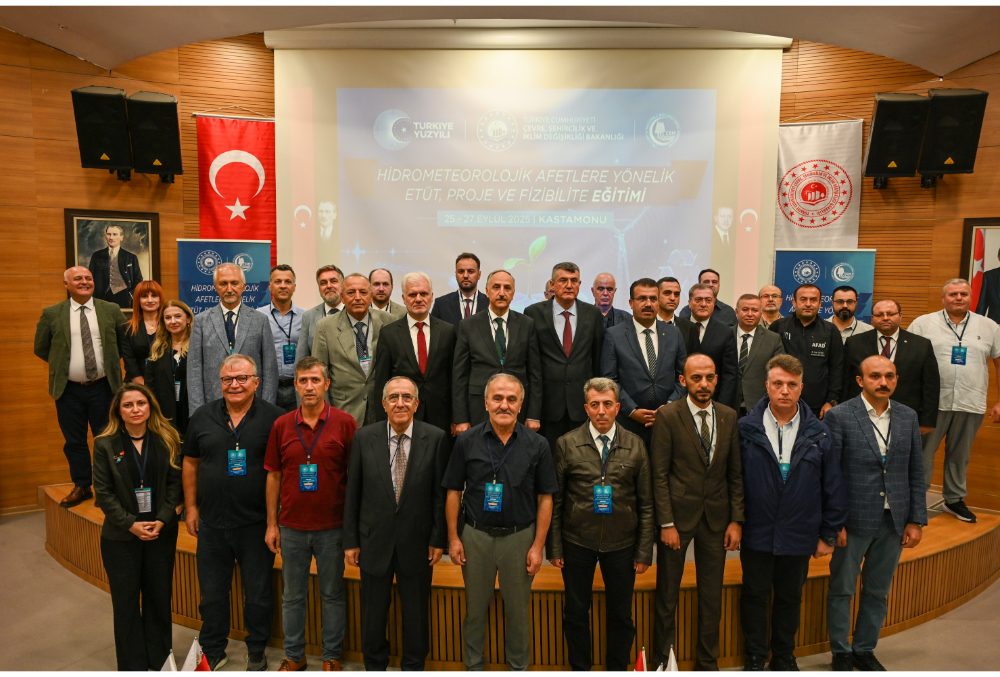
The opening program concluded with a group photo session. The presentations, discussions, and field trips during the three-day training are aimed at contributing to efforts to reduce disaster risks.