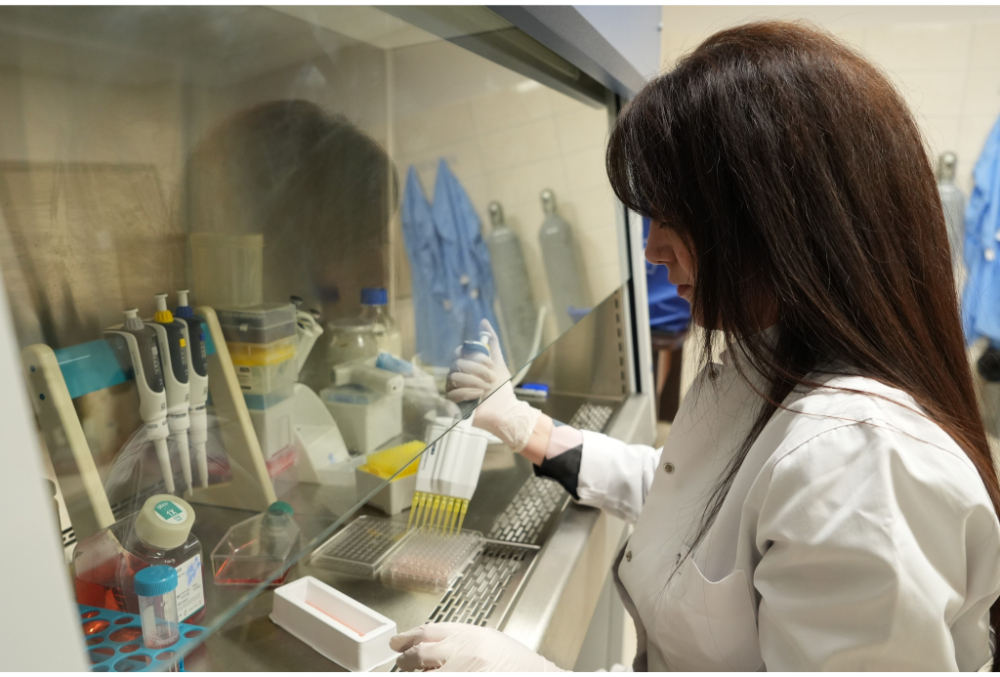
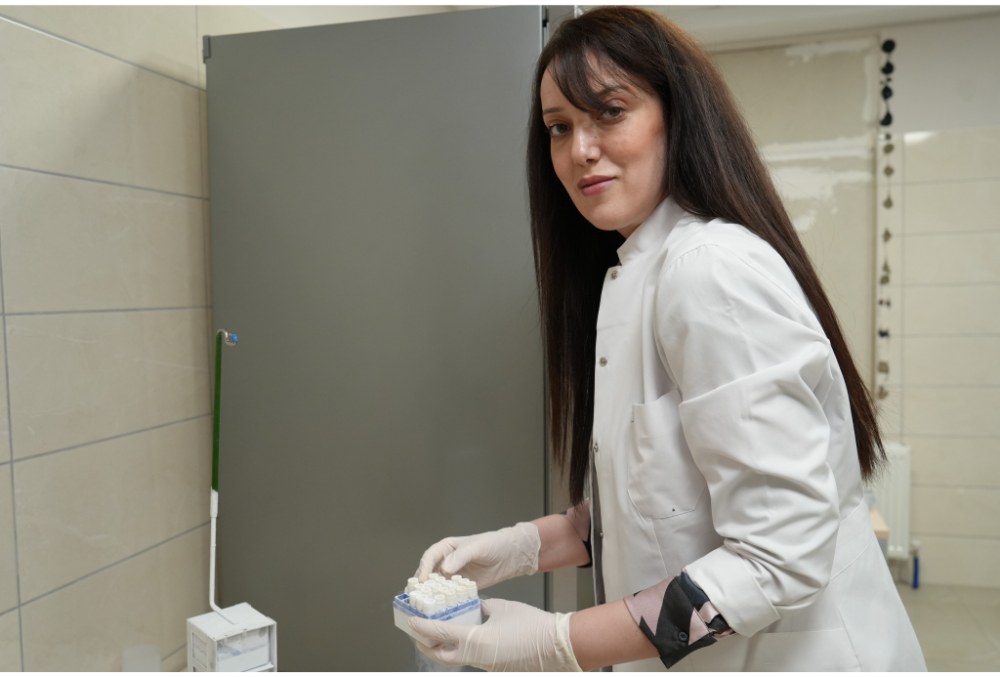
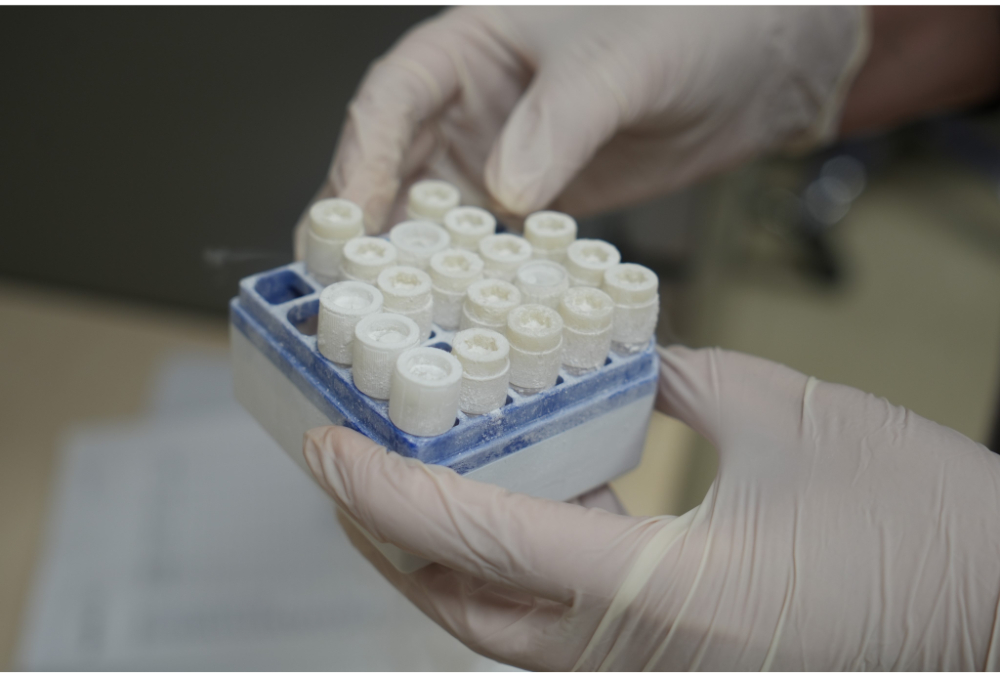
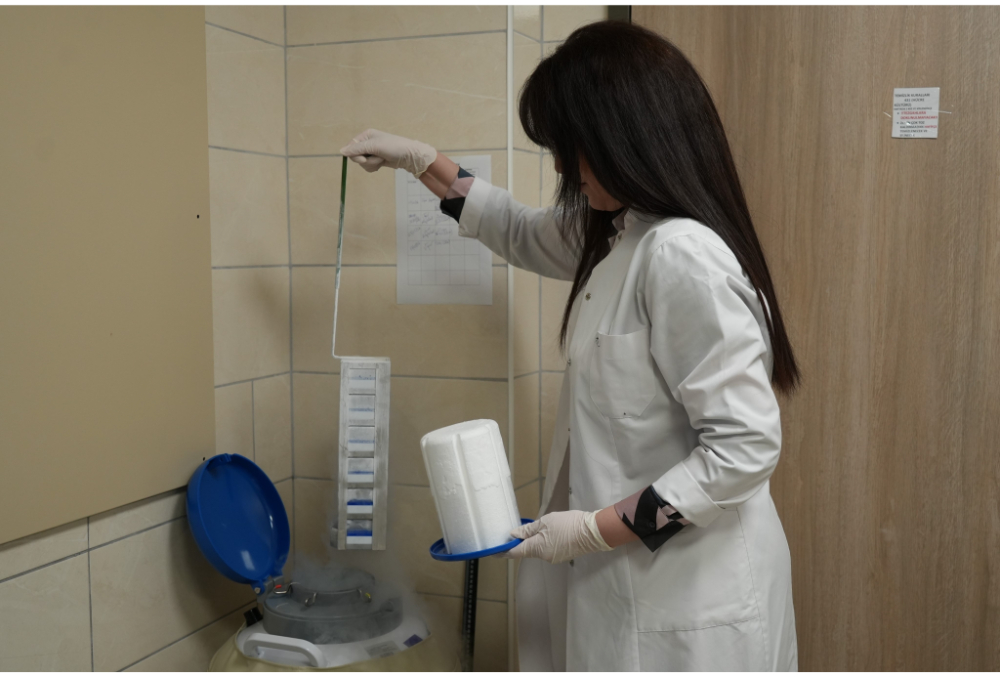
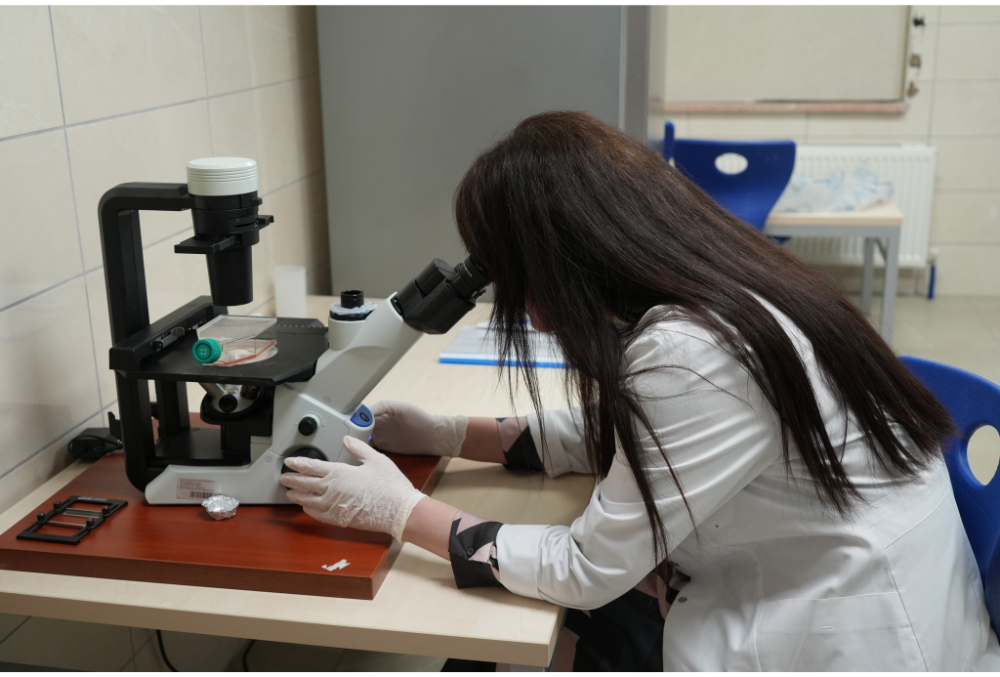
Under the leadership of Kastamonu University, a collaborative project with Istanbul University, Sivas Cumhuriyet University, and Marmara University is being conducted to develop a mushroom-based patch for the treatment of pressure ulcers (bedsores). In the project, which involves 19 academics, a new treatment method is being developed using the wound-healing properties of medicinal mushrooms.
In the project conducted under the coordination of our university's Faculty of Medicine, the species Ganoderma Lucidum (Reishi Mushroom), Laetiporus Sulphureus (Chicken of the Woods), and Amanita Caesarea (Caesar Mushroom) grown in Kastamonu are being studied.
Over the past year, carrier systems have been developed to support the treatment of pressure ulcers by leveraging the antioxidant and anti-inflammatory properties of mushrooms.
The project mentor, Assoc. Prof. Dr. Çiğdem Sevim, a faculty member of the Department of Medical Pharmacology at our University’s Faculty of Medicine, stated that the study's starting point was the elderly population structure in Kastamonu.
Assoc. Prof. Dr. Sevim said, "Due to the high proportion of elderly population in Kastamonu, we observed that pressure ulcers are frequently encountered, especially in palliative care processes." Considering the diversity of fungi in the region, we decided to conduct a study in this field," she said.
Stating that separate carrier systems were developed for three different types of fungi in the project, Assoc. Prof. Dr. Sevim said that the experimental and analysis processes for the first type of fungus have been completed, and the first prototype is expected to emerge within a few months.
In the study, our University's Faculty of Forestry also plays an active role in sourcing, drying, and isolating active compounds from mushrooms. At Istanbul University, analysis studies are being conducted in the fields of biotechnology and pharmaceutical toxicology.
Associate Professor Dr. Sevim stated that the reliability of the product to be developed within the scope of the project will be evaluated through cellular and tissue-level experiments and noted that the patent process will be initiated at the end of the project.
The project, supported by our university's Scientific Research Projects Coordination Unit, spans a two-year period and has a budget of over 2 million Turkish liras.