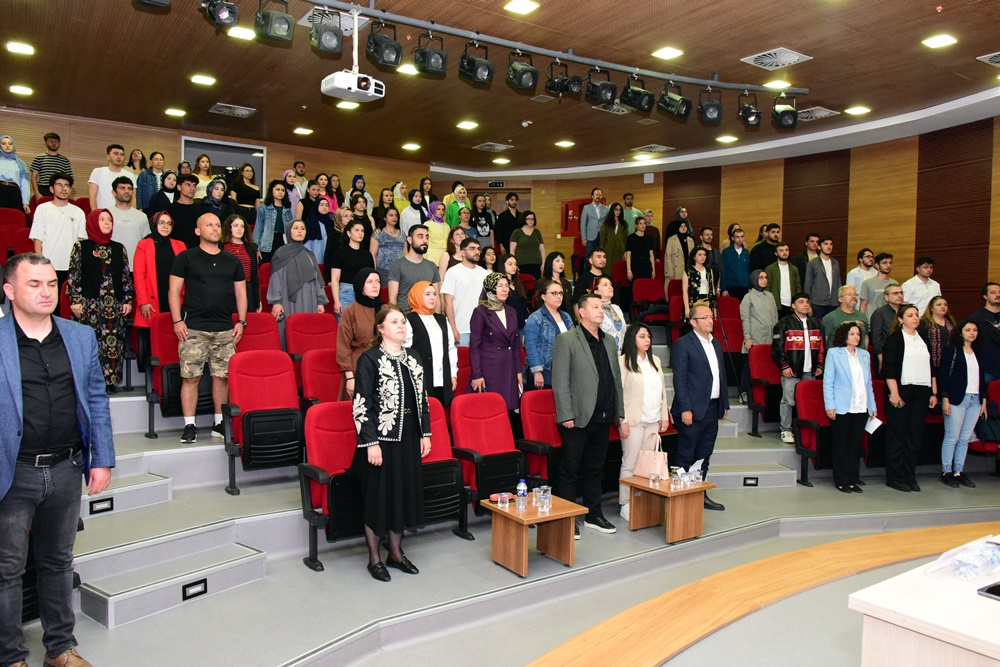
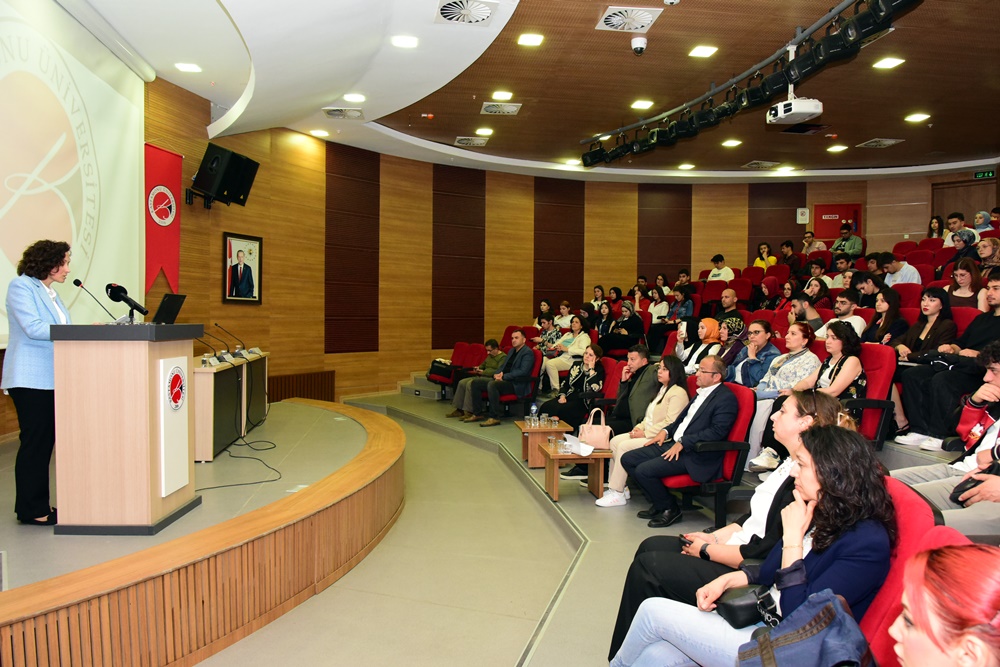
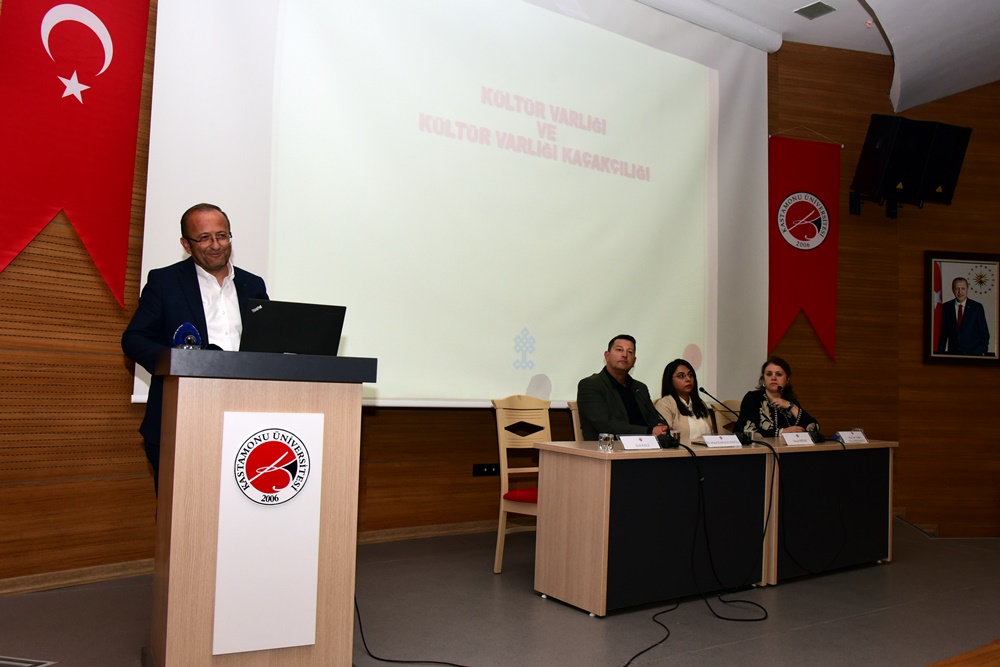
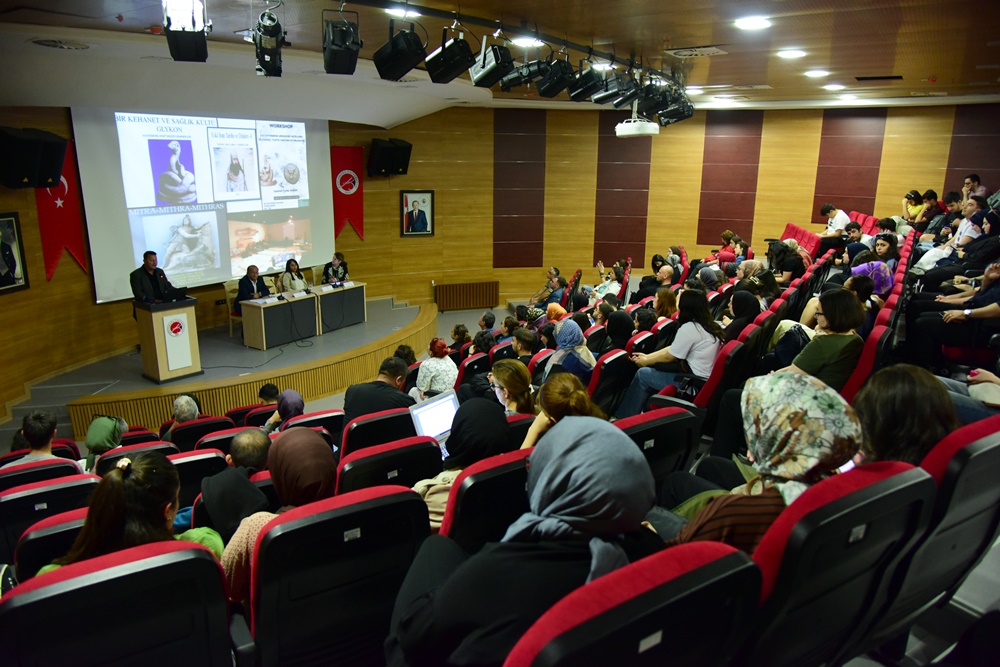
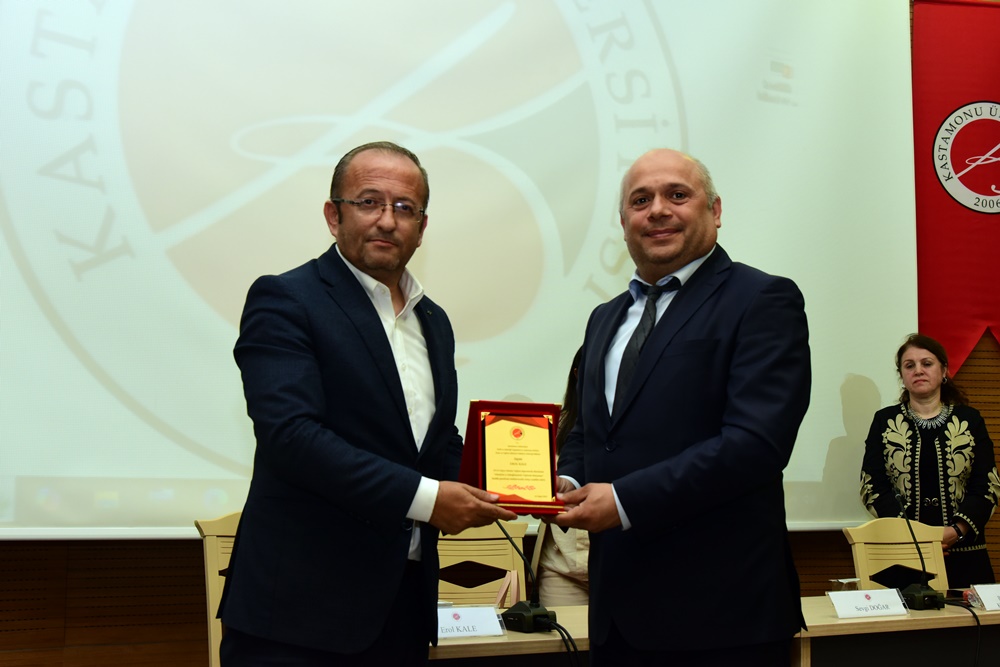
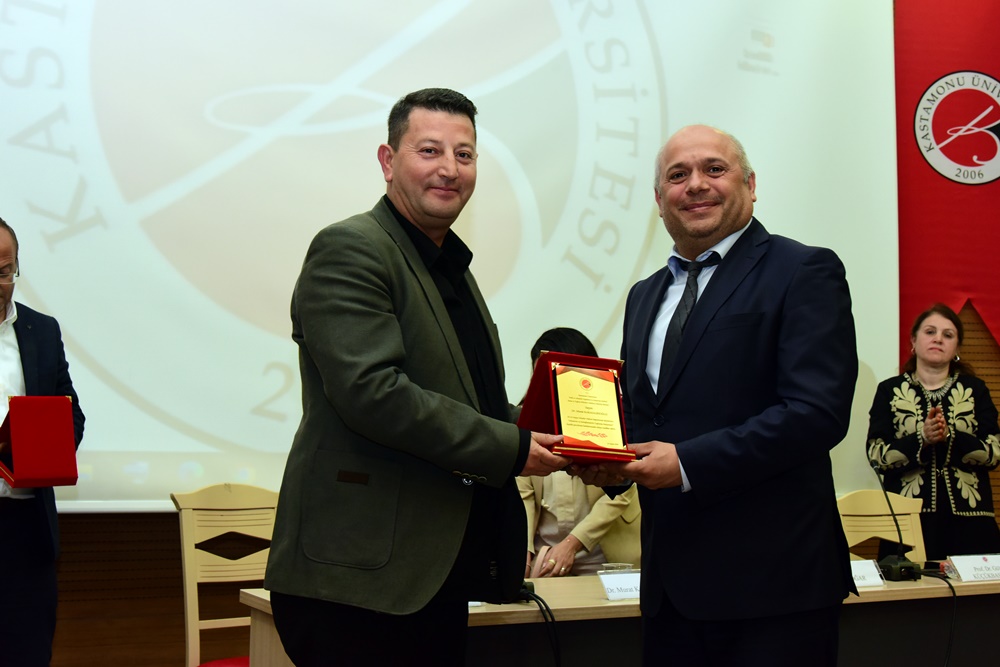
Kastamonu University hosted an important panel aimed at the preservation of cultural heritage and its connection with society. The panel titled "The Meeting of Museums and Libraries with Society" was held on May 23, 2025, in the Cemil Meriç Hall of the Central Library.
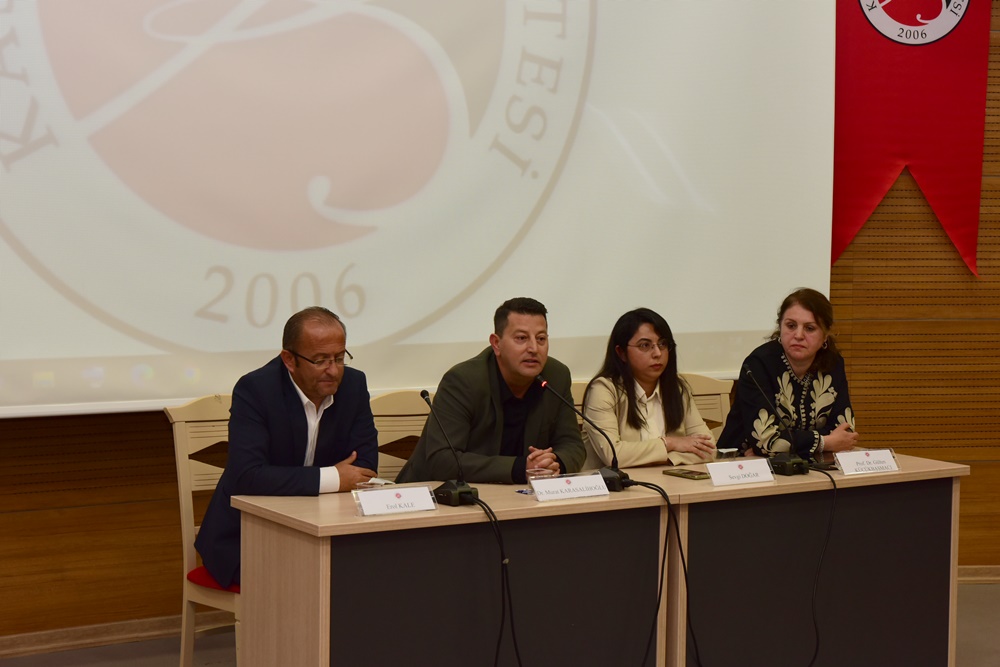
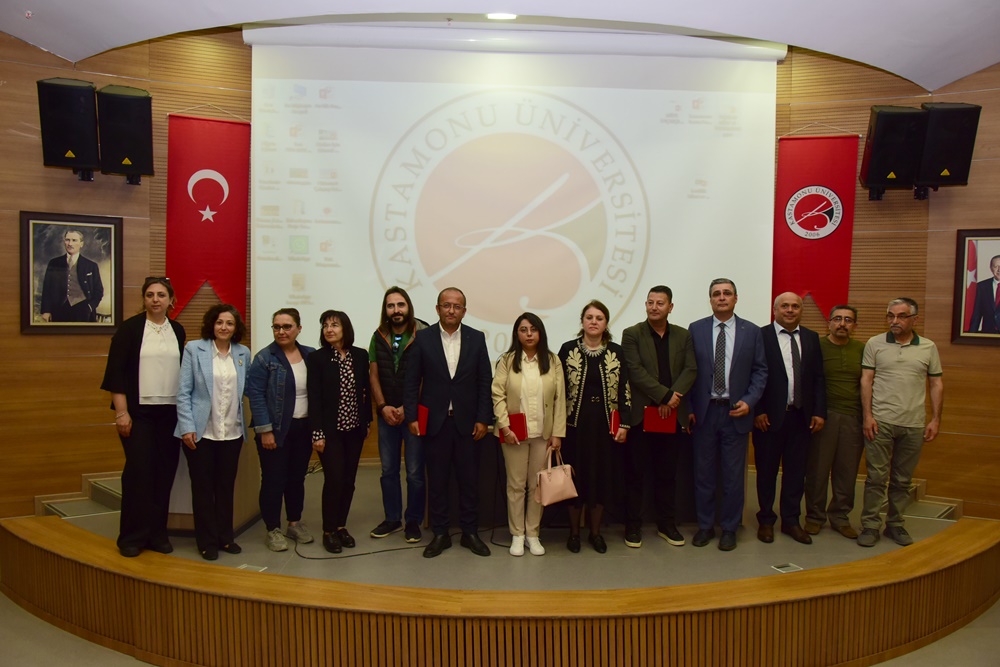
In the event held as part of the special program for Museums Day organized by Kastamonu University and the Provincial Directorate of Culture and Tourism, the Dean of the Faculty of Humanities and Social Sciences, Prof. Dr. M. Serhat Yılmaz, Kastamonu Museum Director Erol Kale, Kastamonu City History Museum Officer Dr. Murat Karasalihoğlu, Kastamonu Manuscript Library Director Sevgi Doğar, along with many academics and students, participated.
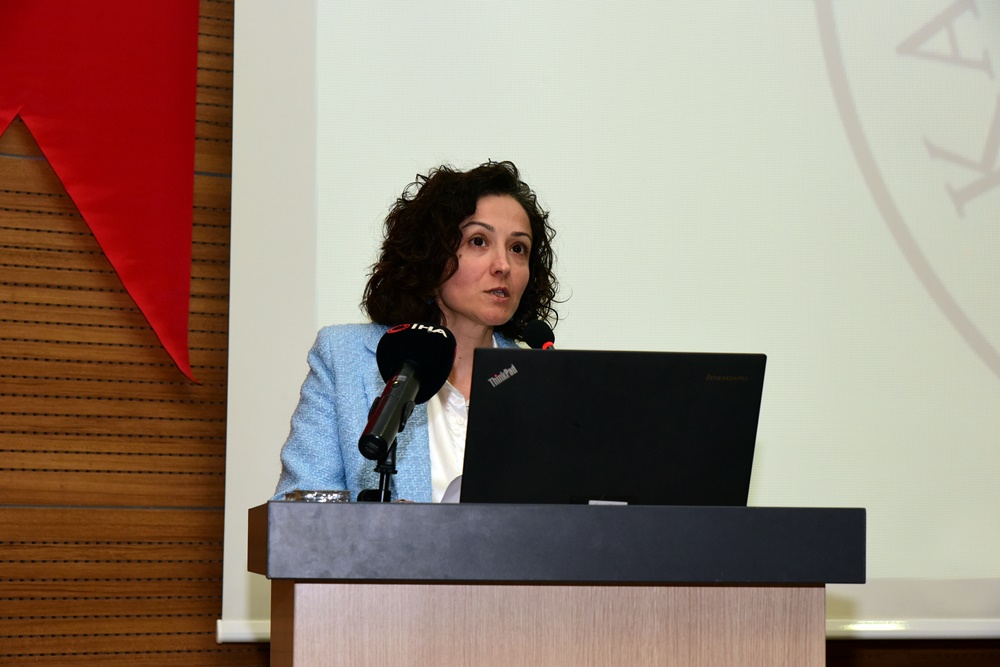
The opening speech of the panel was delivered by Assoc. Prof. Dr. Rabia Aktaş, Director of the Center for History and Archaeology Application and Research, who emphasized in her speech that museums and libraries are not just institutions that store information and documents, but also places where collective memory is preserved. "Museums and libraries are the most important institutions that transfer a society's historical and cultural accumulation to future generations," said Assoc. Prof. Dr. Aktaş, emphasizing that Kastamonu's rich cultural heritage has been brought to light and preserved for future generations thanks to these institutions.
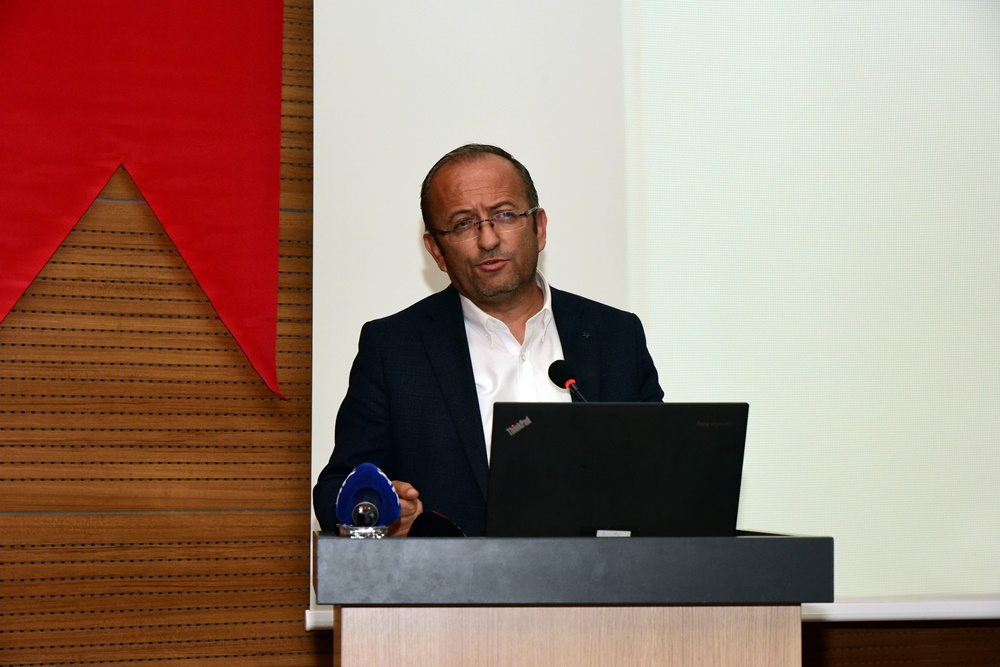
After Assoc. Prof. Dr. Aktaş, Kastamonu Museum Director Erol Kale spoke at the panel, informing the participants about "Cultural Heritage Smuggling and Illegal Excavations." Director Kale defined cultural heritage, stating that our country is the cradle of civilizations, which adds richness in terms of cultural heritage. Kale stated that the smuggling of historical artifacts and unauthorized excavation activities pose a significant threat in Kastamonu, just as they do throughout Turkey, emphasizing that the artifacts destroyed by illegal excavations are irreversibly lost either through destruction or smuggling abroad. Kale underscored that museums abroad smuggle the illegally obtained heritage, returning only a small portion.
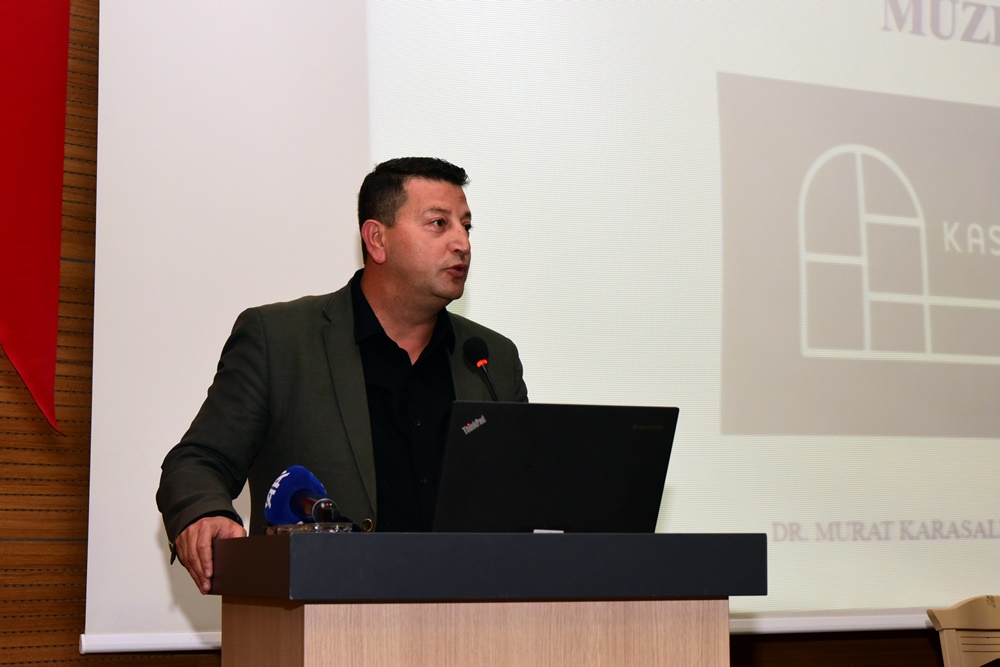
Dr. Murat Karasalihoğlu, the curator of the Kastamonu City History Museum, shared his presentation titled "Kastamonu City History Museum in the Consciousness of Urbanity." Emphasizing the role of museums in preserving urban culture, Karasalihoğlu said, "Preserving a city's history and memory is not only about understanding the past but also about building the future." "The Kastamonu City History Museum was established with this understanding and continues to contribute to the city's cultural identity every day," he said. Dr. Karasalihoğlu emphasized the importance of conveying the story correctly to promote city museums effectively, stating that he wants children and young people to be active in the city museum so they can carry the past into the future.
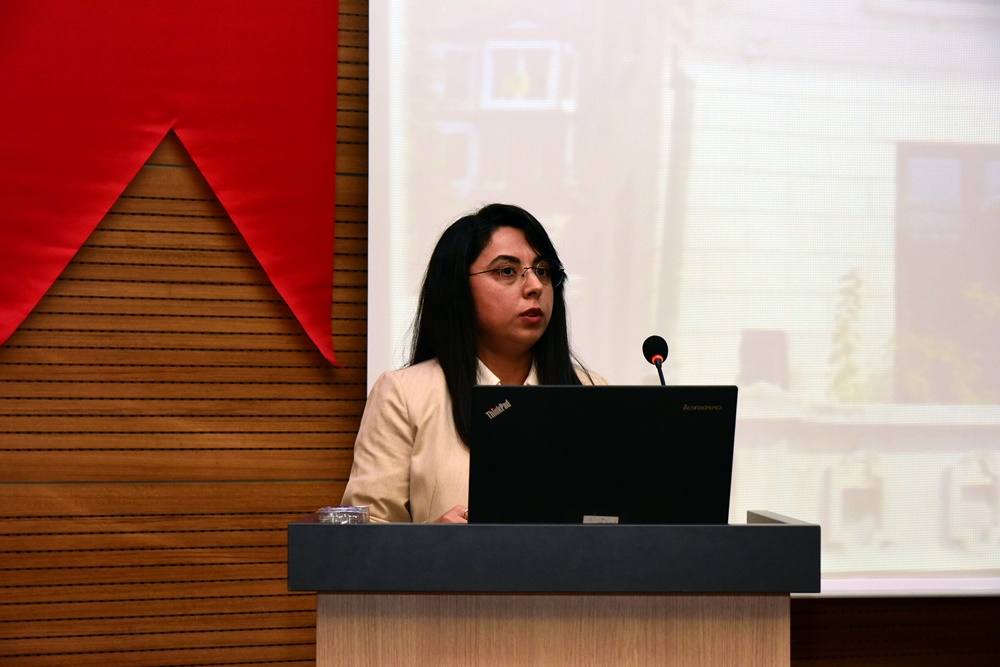
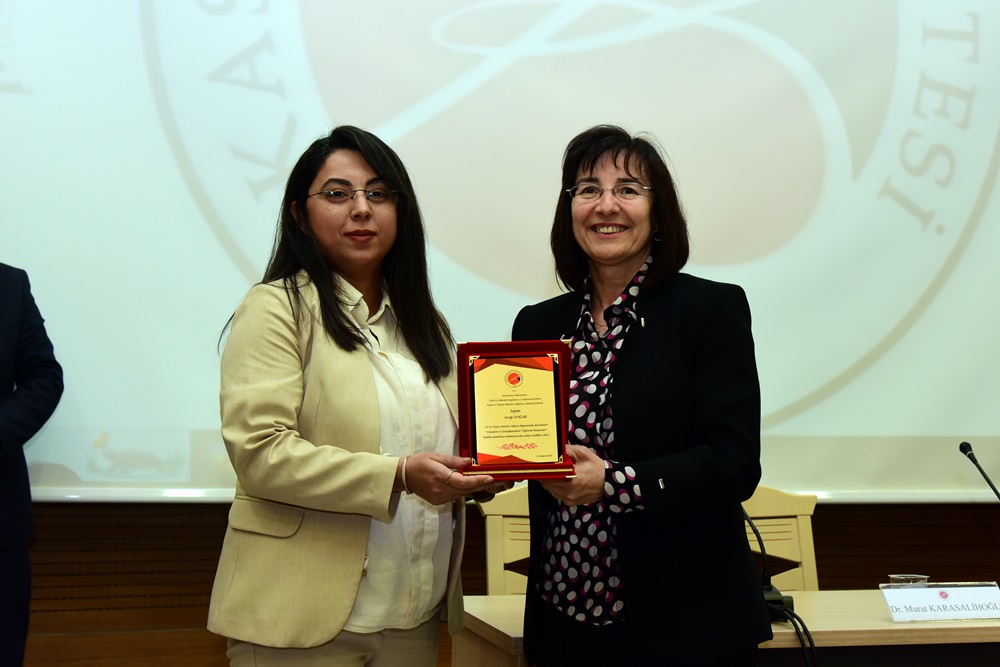
At the event, Kastamonu Manuscript Library Director Sevgi Doğar also provided information to the participants on "Manuscript Librarianship and Manuscripts." Director Doğar, in her speech, emphasized that manuscripts are not only religious or literary texts but also unique sources reflecting the social, scientific, and cultural structure of their time, saying, "Each manuscript carries the traces of the period it belongs to." "These are the most valuable pieces of our historical memory," he said.
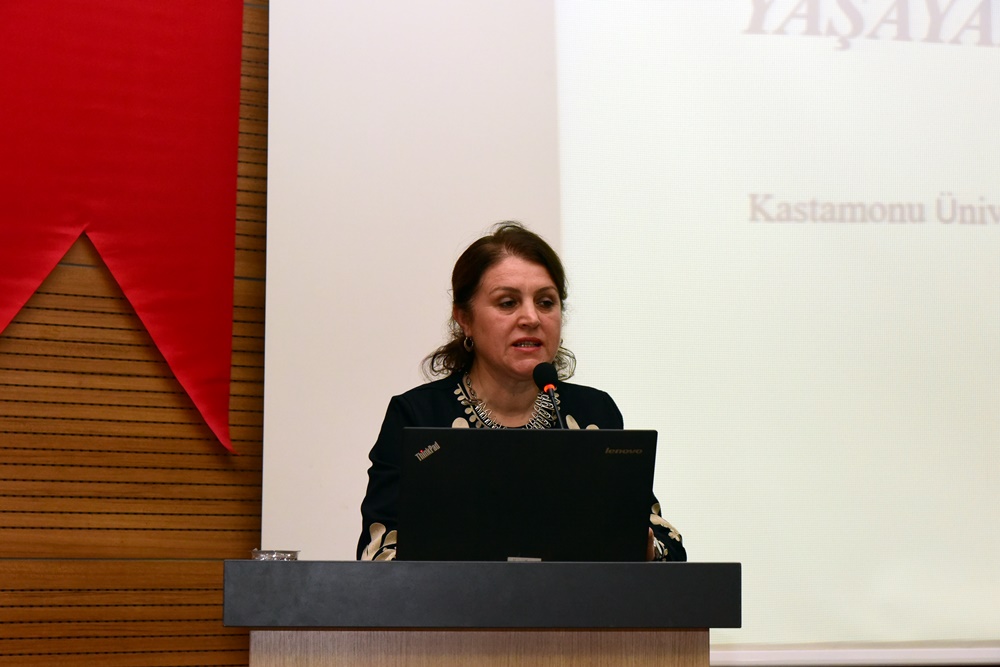
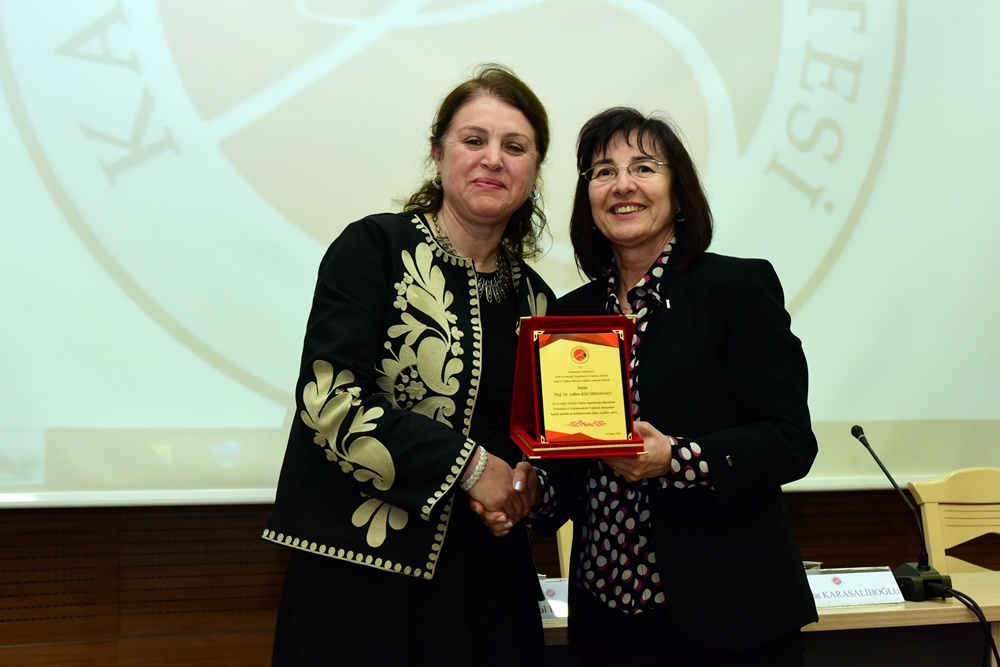
Prof. Dr. Gülten Küçükbasmacı delivered her presentation titled "Living Museum and Kastamonu." Stating that the understanding of museology has changed in recent years and that intangible cultural heritage elements have also entered the field of museology, she expressed that the living museum concept directly connects cultural heritage with the public, and that living museums have been opened in many cities in our country, just like in Kastamonu. Prof. Dr. Küçükbasmacı, stating that the living museum does not just make the visitor a viewer, but makes them a participant, said that local games and handicrafts are exhibited. Küçükbasmacı stated that the implementation of this model in cities with a rich history like Kastamonu would provide significant contributions in terms of both tourism and cultural identity.