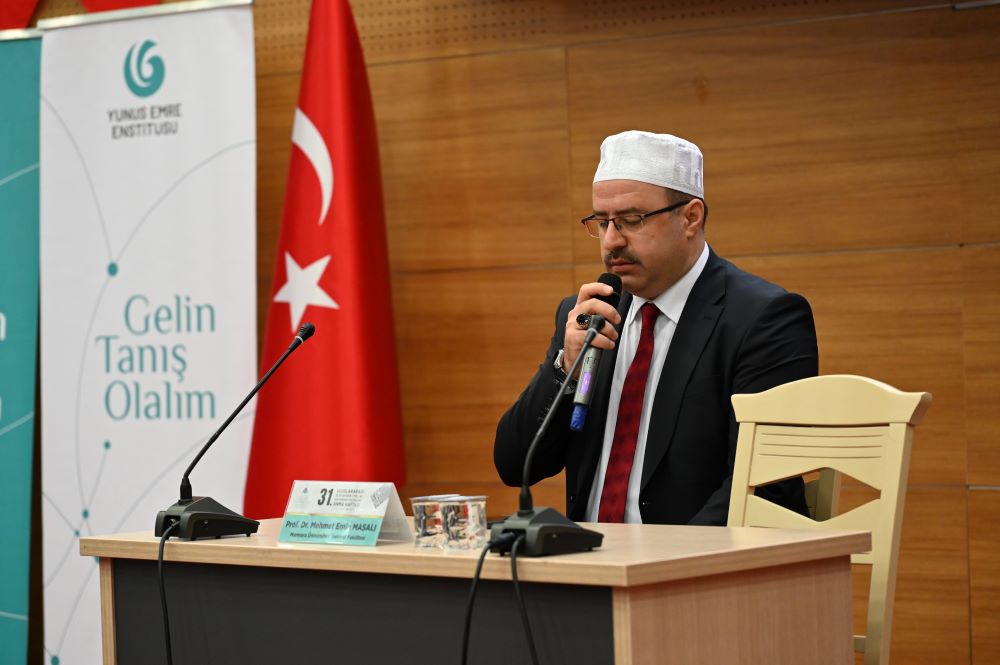
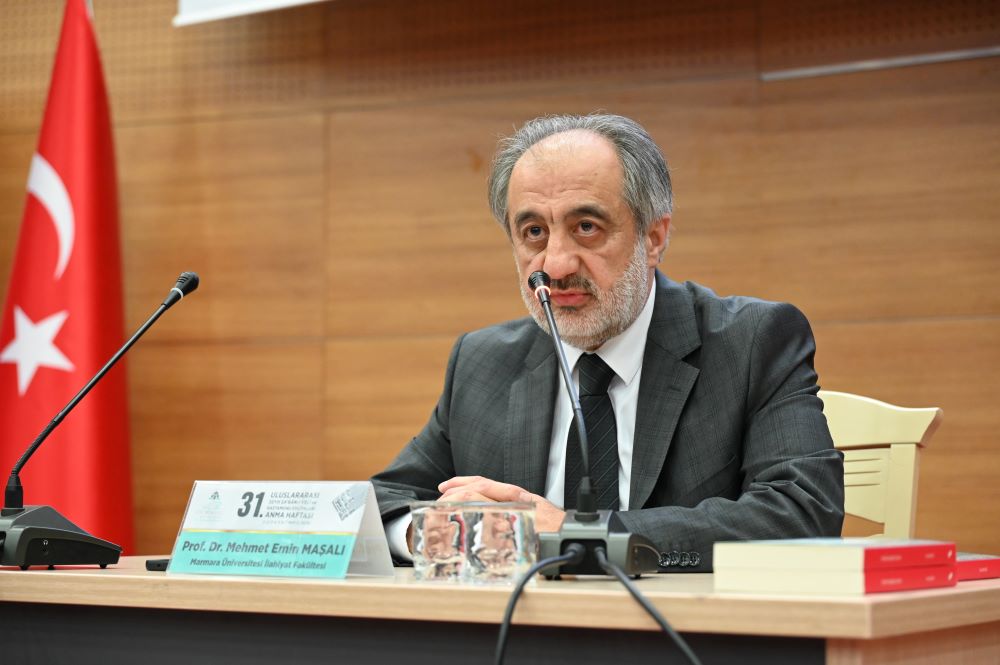
As part of the 31st International Sheik Shaban-i Veli and Commemoration Week of the Saints of Kastamonu held this year in Kastamonu, a conference titled "Consciousness of Servitude in the Shadow of Divine Mercy" was organized. In the program, academician and author Prof. Dr. Mehmet Emin Maşalı met with the participants.
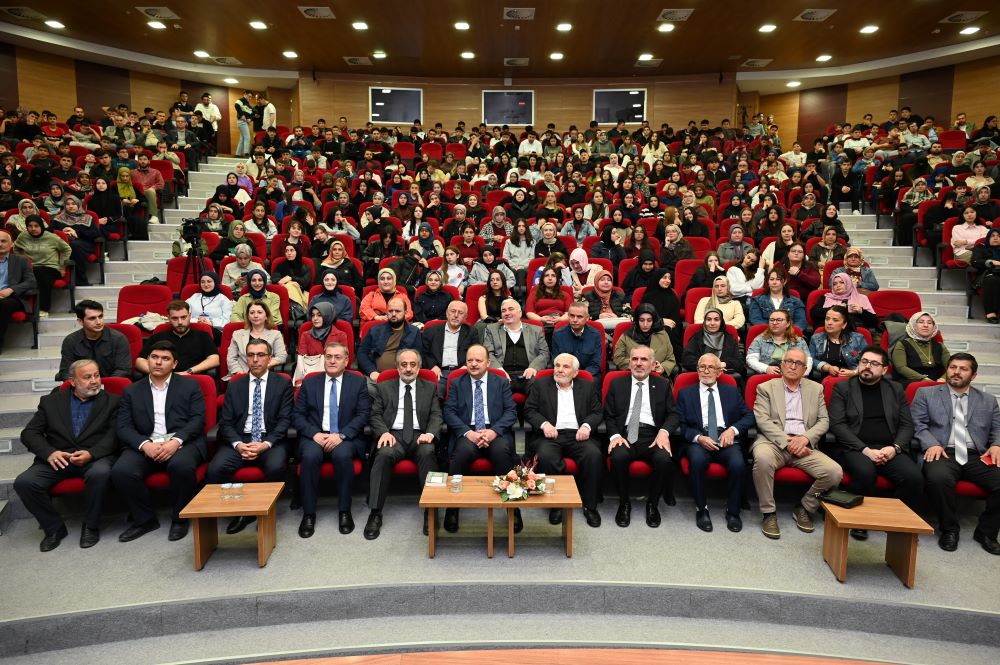
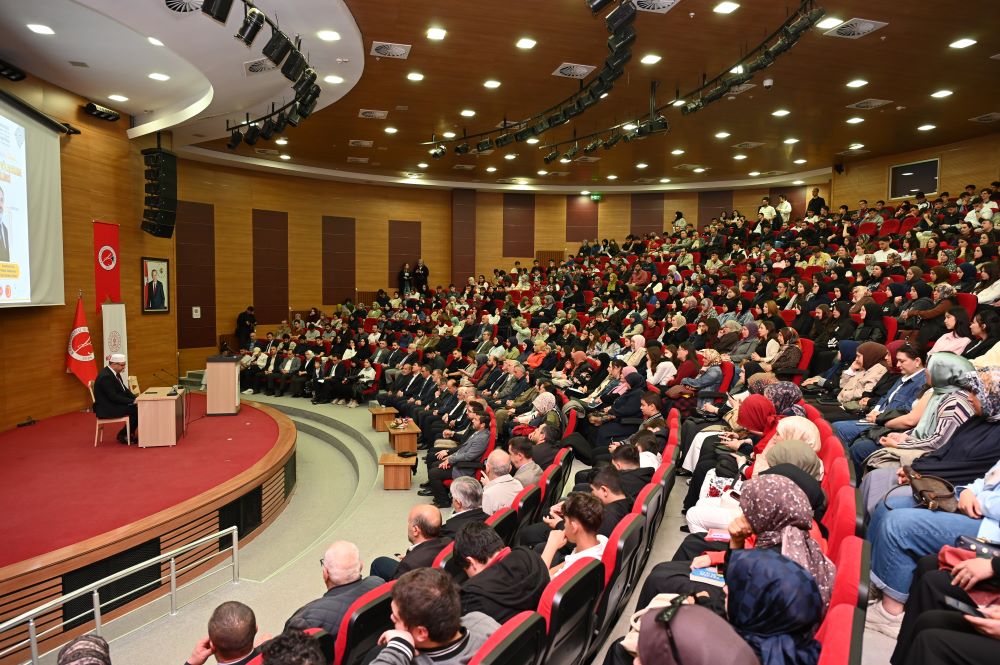
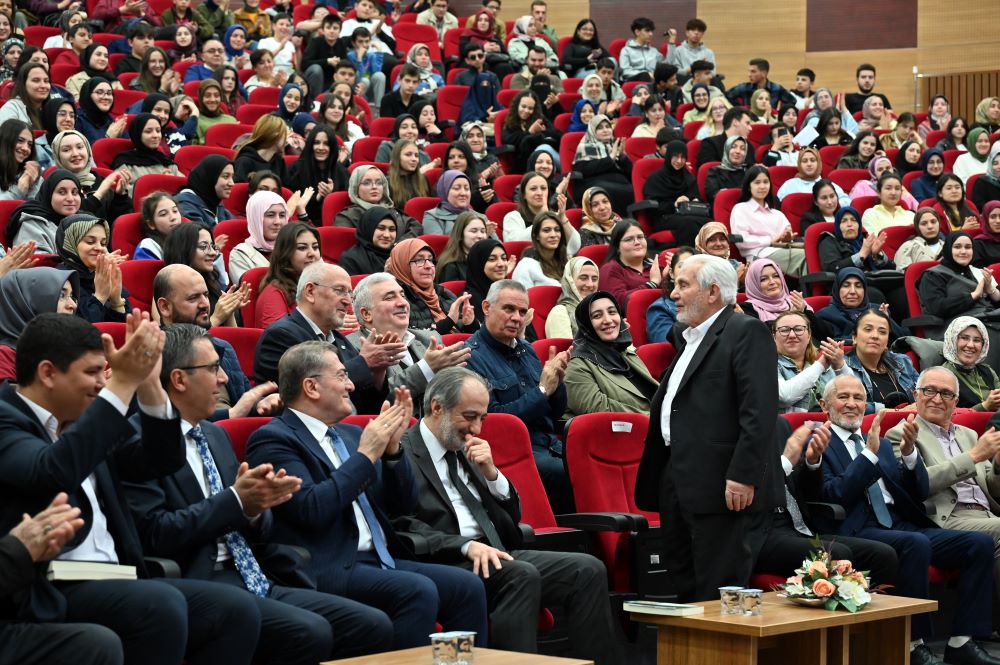
The conference titled "Consciousness of Servitude in the Shadow of Divine Mercy" took place on Thursday, May 7, 2026, in the Sezai Karakoç Hall of the Central Library. The program was attended by Kastamonu Governor Meftun Dallı, Provincial Mufti Bekir Derin, Vice-Rector Prof. Dr. Mehmet Atalan, and President of the Hz. Pir Şeyh Şaban-ı Veli Cultural Foundation, Mehmet Çiftçi, faculty members from the Faculty of Theology at Marmara University, Prof. Dr. Mehmet Emin Maşalı, representatives from various institutions and organizations, and many academics and students.
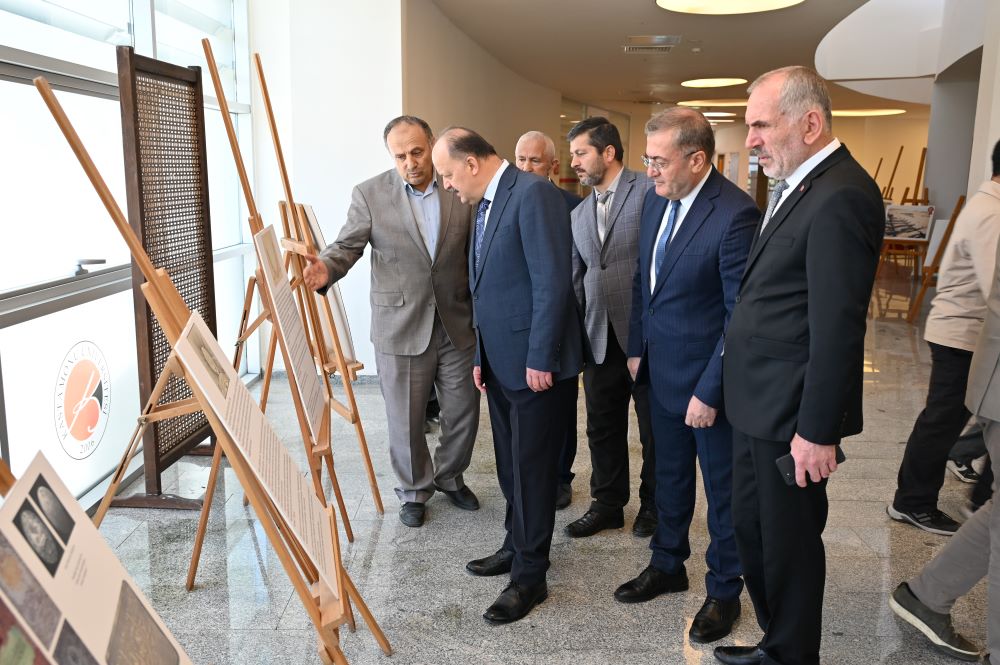
Before the conference, the "Hejaz Railroad" exhibition created by Researcher and Writer Mustafa Gezici was inaugurated. After the exhibition opened, Gezici provided Governor Dallı and his companions with information on how the Hejaz Railroad had reached its current state.
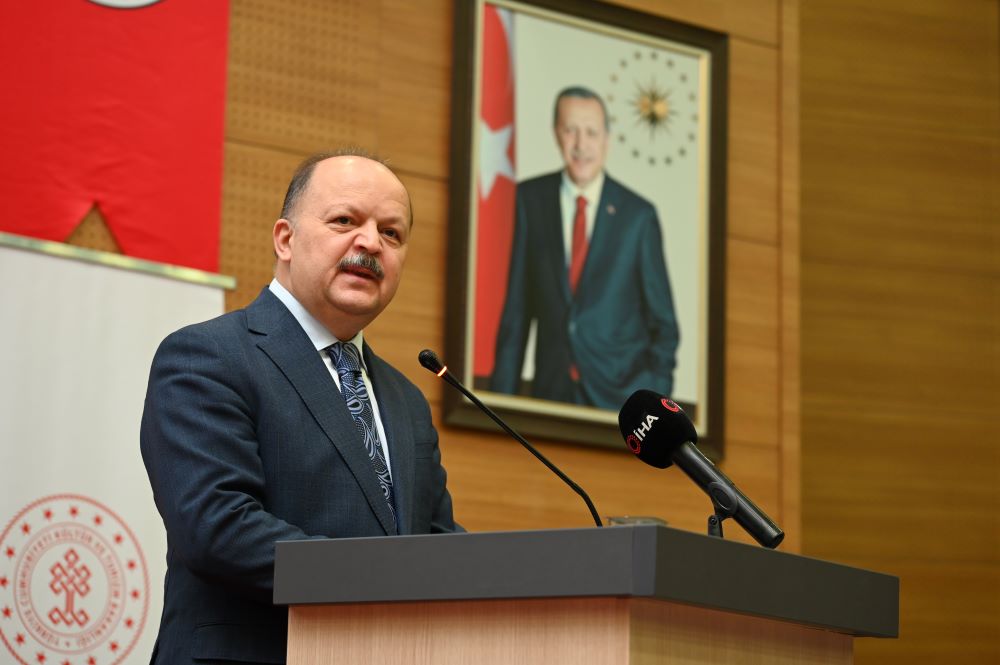
The program, which began with the recitation of the Quran, was opened by Kastamonu Governor Meftun Dallı, who reminded that Sheik Şaban-ı Veli is one of the four fundamental spiritual elements of Anatolia. Governor Dallı stated that Sheik Şaban-ı Veli is known not only in Anatolia but also in a wide geography from North Africa to Afghanistan. Governor Dallı shared with the participants a memory of Prof. Dr. Mahmut Erol Kılıç, President of the Research Center for Islamic History, Art, and Culture (IRCICA), about Sheik Şabanı Veli, an experience he had with local people while serving as an ambassador in Indonesia.
Governor Dallı pointed out that in his speech, "It was also a beautiful piece of information for us to understand the extent of Hz. Pir's influence and impact, and how great a person he was in terms of submission." God willing, we know this week will be a means of good and will contribute to the transmission of these values to future generations in the coming years. "We will all show our best efforts together,"
Governor Dallı pointed out that in his speech, "It was also a beautiful piece of information for us to understand the extent of Hz. Pir's influence and impact, and how great a person he was in terms of submission. God willing, we know this week will be a means of good and will contribute to the transmission of these values to future generations in the coming years. We will all show our best efforts together." I assume that when I mention the word Allah, what forms in your minds and hearts is more of a supreme will that sends commands or imposes prohibitions. But let me tell you something, for example, in the lists of the Most Beautiful Names of God, there is no attribute that expresses God's commanding nature or His prohibitive nature, such as "the Commander" or "the Prohibitor. In the first position, there is no name or attribute among the names of God that means "the Most Gracious," "the Most Merciful," "the Commander," and "the Prohibitor," which means "the one who commands and forbids." But interestingly, while the attribute of Rahman, which makes all of God's names and attributes meaningful and constitutes their essence, does not establish our connection with God, the attributes of Amir and Nâhî, which are not included in the lists of the Most Beautiful Names, shape our connection with God even more. What does this mean? "This actually means that we are not establishing our connection with Allah from where the Quran, the Sunnah, and our Prophet Muhammad (Peace be upon him) established it; we are not connecting from there".
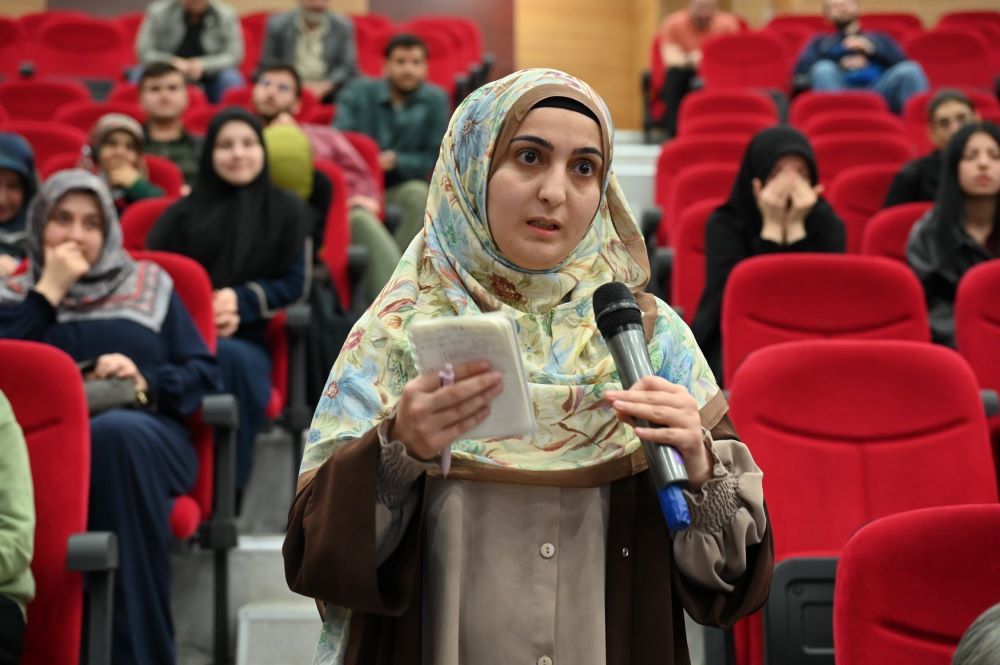
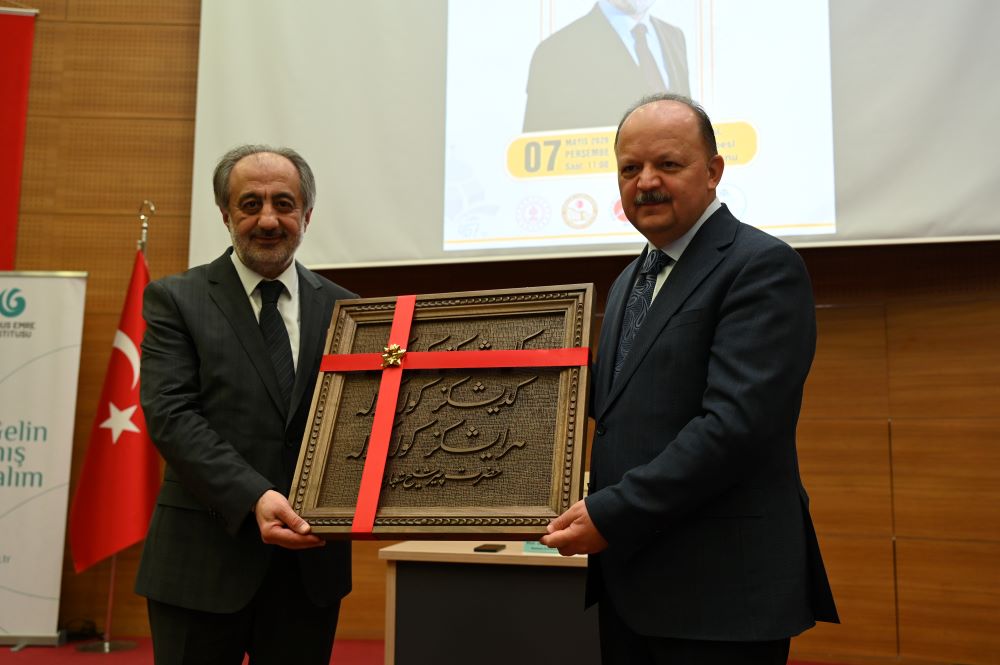
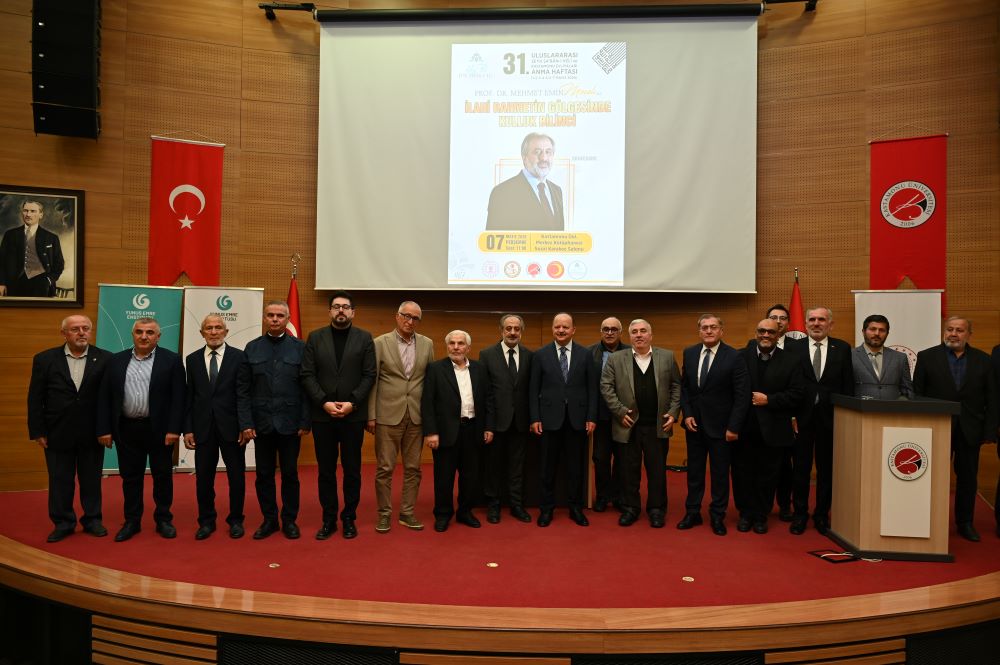
The program concluded with the presentation of a gift to Prof. Dr. Mehmet Emin Maşalı and a commemorative photo session after the question-and-answer section.