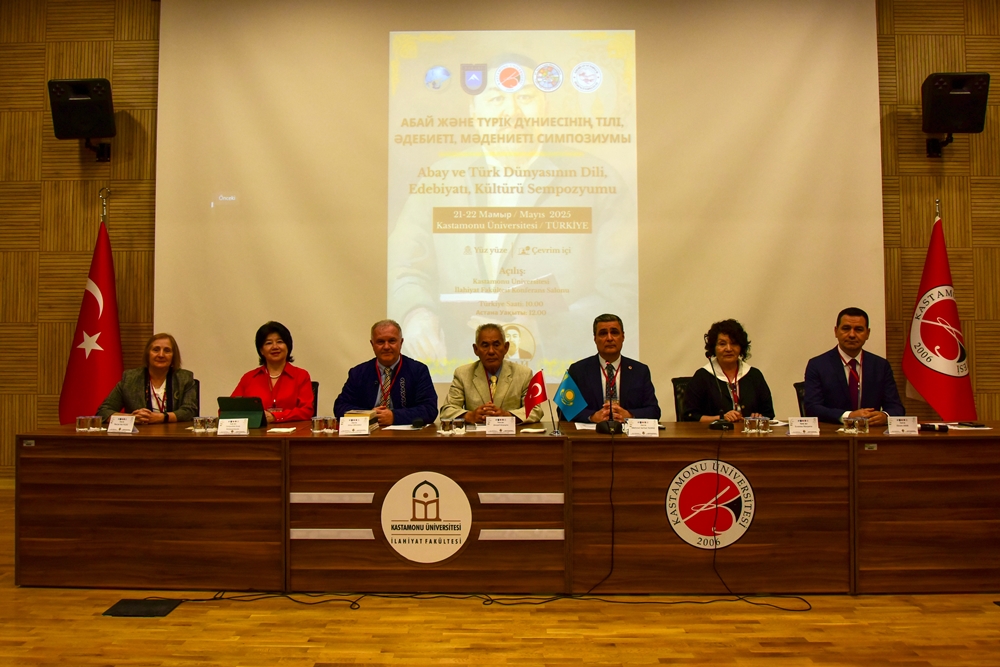
The common voice of the Turkic world, the Kazakh Turk poet, composer, and philosopher Abay Kunanbayev's intellectual legacy, is being reexamined in a scientific context in Kastamonu. Kastamonu University is hosting an international symposium titled "Abay and the Language, Literature, and Culture of the Turkic World" on May 21-22, 2025. The opening ceremony of the symposium, organized by the Department of Contemporary Turkish Dialects and Literatures of the Faculty of Humanities and Social Sciences and the Literature and Society Student Society, was held on May 21, 2025, in the Conference Hall of the Faculty of Theology.
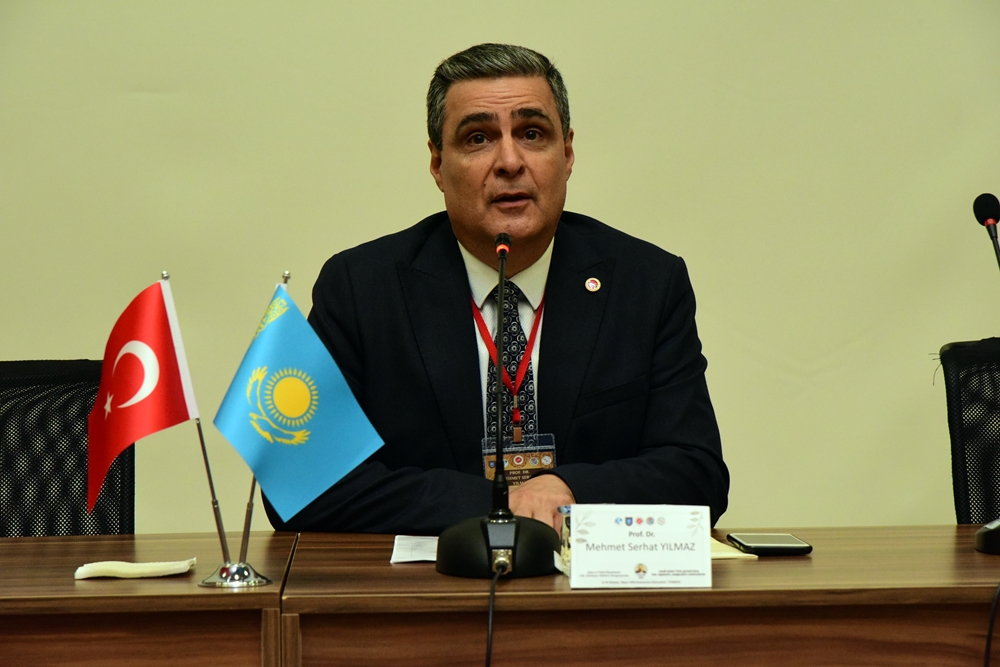
Our Vice Rector, Prof. Dr. Selahattin Kaymakcı; the Dean of the Faculty of Humanities and Social Sciences, Prof. Dr. M. Serhat Yılmaz, and many academics and students participated in the event, including Prof. Dr. Salkınbay Anar Bekmırzakızı from Al-Farabi Kazakh National University.
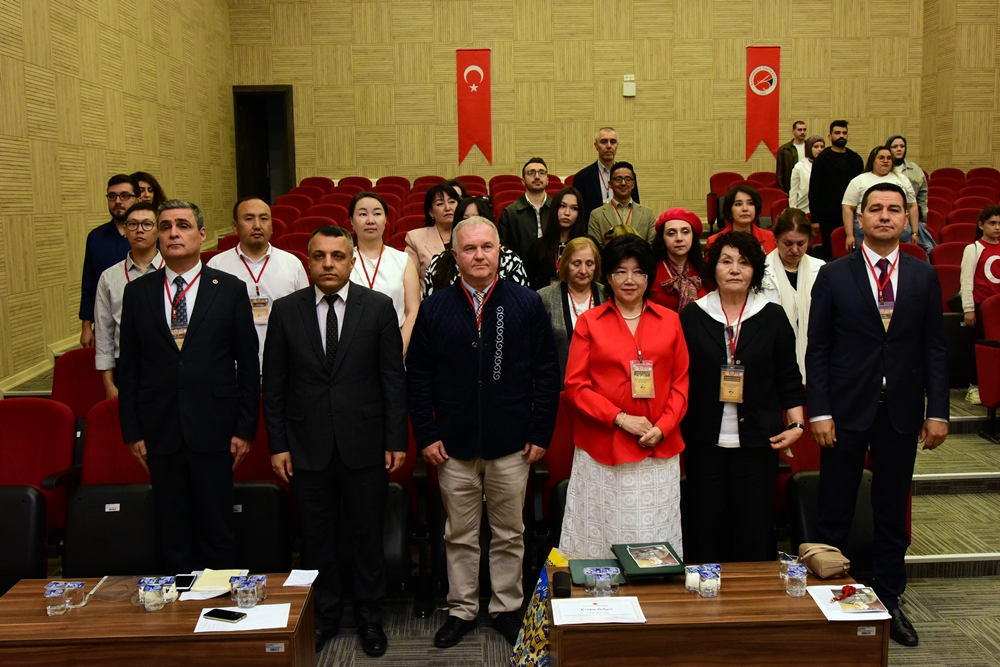
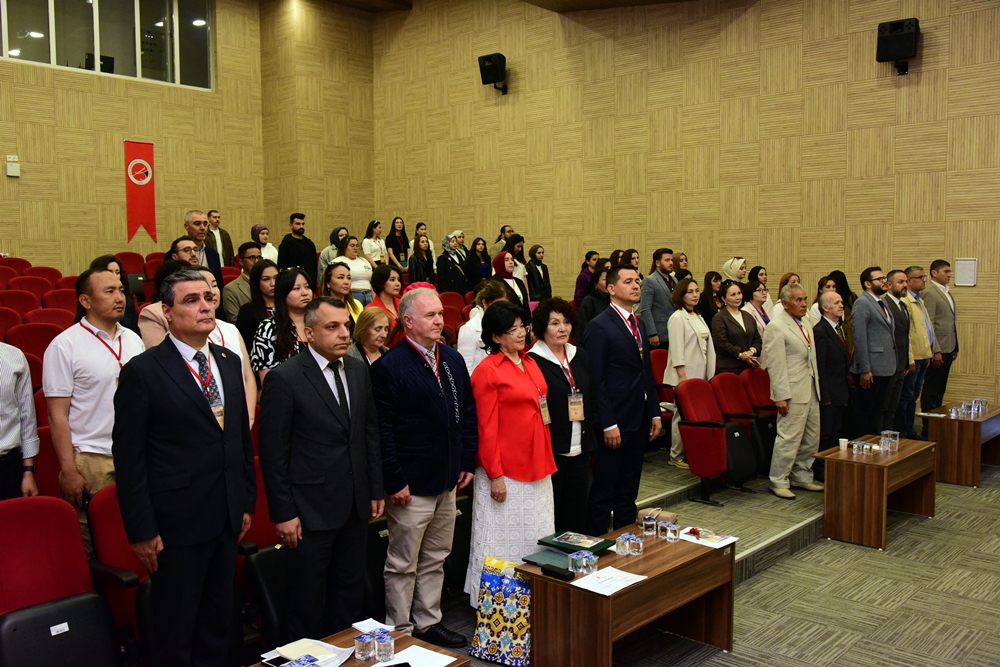
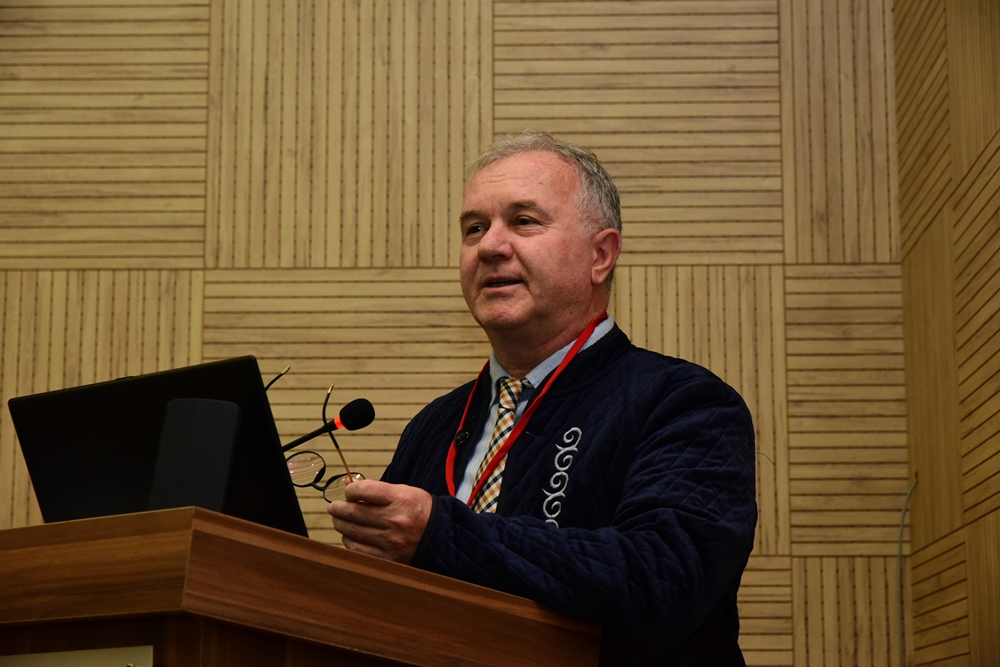
After the moment of silence and the playing of the Turkish and Kazakh national anthems, the opening speeches began. The first speech at the event was given by Prof. Dr. Orhan Söylemez, Head of the Department of Modern Turkish Dialects. Prof. Dr. Söylemez emphasized that Abay Kunanbay holds an important place not only in Kazakh literature but also as the common conscience and wise voice of the entire Turkic world. In his speech, Söylemez provided information about the purpose and scope of the symposium and thanked our Rector, Prof. Dr. Ahmet Hamdi Topal, for hosting such a meaningful event.
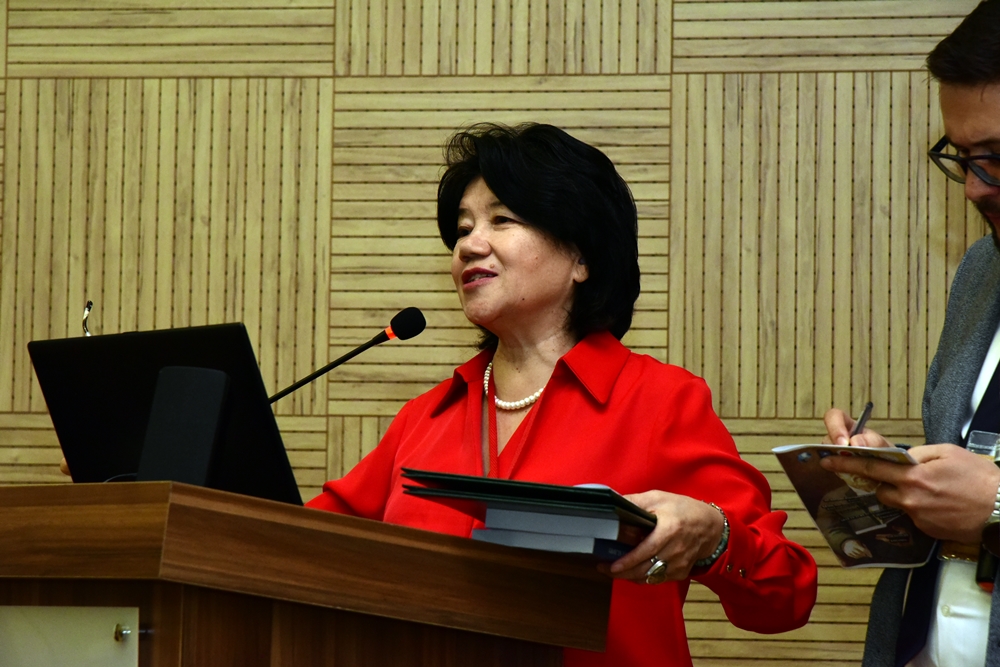
After Prof. Dr. Söylemez, Prof. Dr. Salkınbay Anar Bekmırzakızı took the podium and said that Abay's works shed light on the language, literature, and culture of the Turkish people and allowed for the reinterpretation of Turkish values on a universal platform.
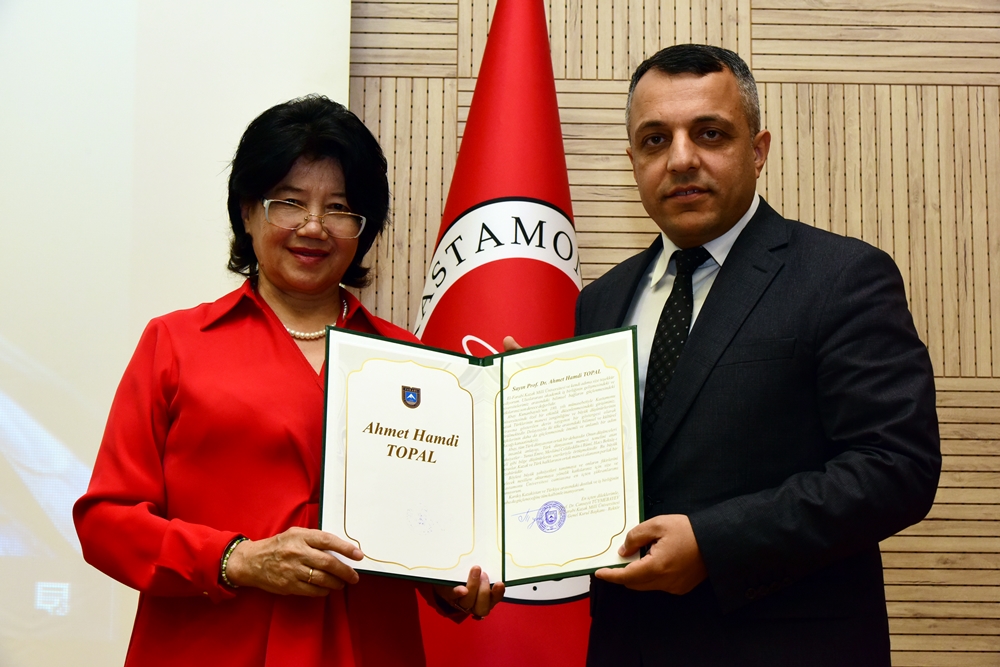
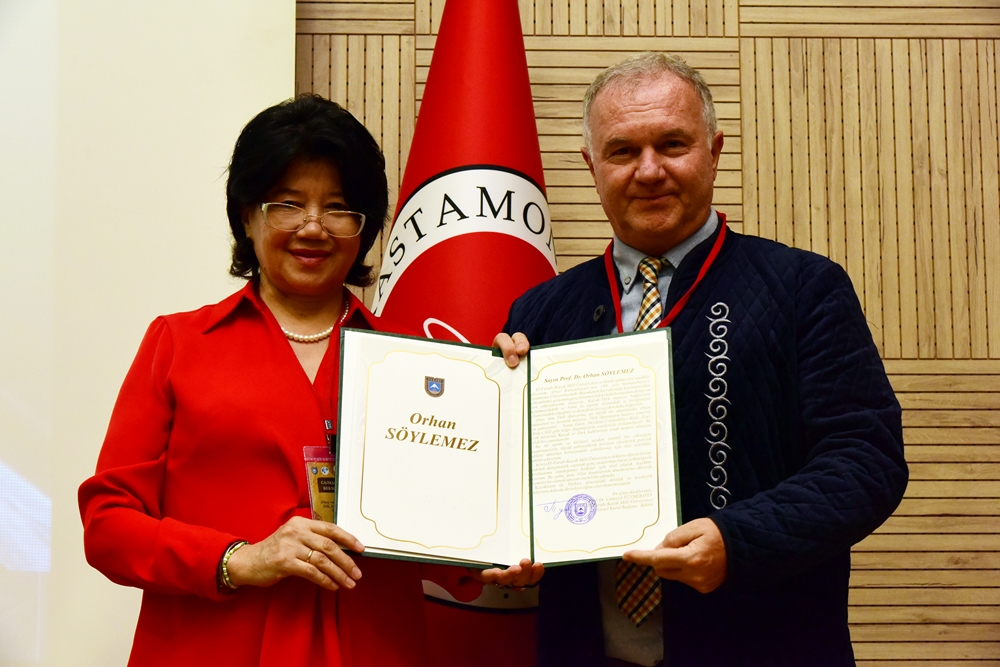
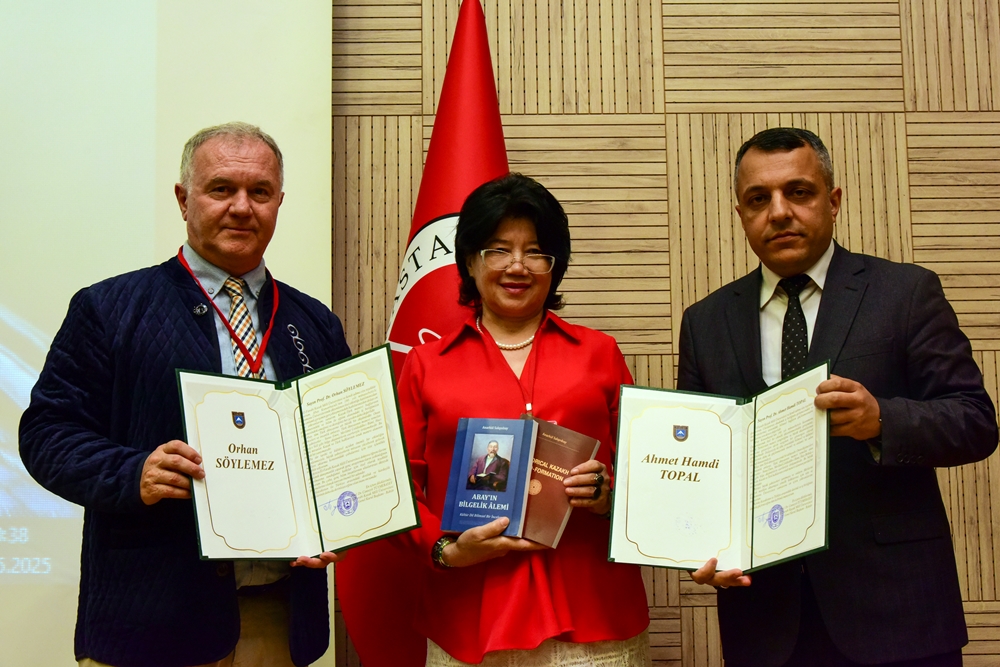
Prof. Dr. Bekmırzakızı said, "This symposium is very valuable for bringing together scientists from different geographies under the same roof to discuss, debate, and carry forward the common heritage of the Turkic world." To put it in Abay's words: 'He who loves his people dedicates his knowledge to them.' We are also obliged to preserve and pass on this legacy. On this occasion, we thank Kastamonu University and all the institutions that contributed," he concluded his speech. After the speech, a message sent by Prof. Dr. Canseyit Tümanbayev, the Rector of Al-Farabi Kazakh National University, was read, and thank-you certificates were presented.
After Prof. Dr. Bekmırzakızı, our Vice-Rector Prof. Dr. Selahattin Kaymakcı, stated that it is important to discuss the Turkish language, literature, and culture through Abay with academics from different regions of the Turkish world. Prof. Dr. Kaymakçı said, "Even though our languages have shaped into different variations, our root is the same." To preserve and carry forward the common values of the Turkic world, such scientific events are of vital importance. As Kastamonu University, we take pride in being a part of this mission and desire to further strengthen the bridge we have built with the Turkish world," he concluded his remarks.
After the opening speeches, the inaugural session began with Prof. Dr. Anar Salkınbay Bekmırzakızı from Al-Farabi Kazakh National University presenting "Abay – The Reformer of Human Consciousness" to the audience. Then, Prof. Dr. Naciye Ata Yıldız, a retired faculty member from Ankara Hacı Bayram Veli University, delivered a presentation titled "The Literary Aspect of Abay's Black Words."
After Prof. Dr. Yıldız, Prof. Dr. Danday Iskakulı, a faculty member at Al-Farabi Kazakh National University, took the podium and informed the participants about his work, "Turkic Worldview in Abay's Poetry." From our university, Prof. Dr. Orhan Söylemez delivered a presentation titled "Abay and Abiş," and after Prof. Dr. Söylemez, Gumilev Eurasian National University faculty member Prof. Dr. Magripa Yeskeyeva Kaynarbaykızı participated in the symposium with her work "Ambiguity in Abay's Language." Prof. Dr. Ekrem Ayan and Ayşenur Kiper from Muğla Sıtkı Koçman University gave the final remarks of the program. Prof. Ayan and Kiper concluded the session with their study on "Historical Events, Social and Political Situation During the Time of Abay Kunanbayev."
The symposium, organized in collaboration with Al-Farabi Kazakh National University from Kazakhstan and our University, aims to bring together academics from countries speaking different Turkic dialects to create a common ground for language, culture, and literature. The event will feature 114 participants and 95 presentations from eight different countries and will be held both in person and online.