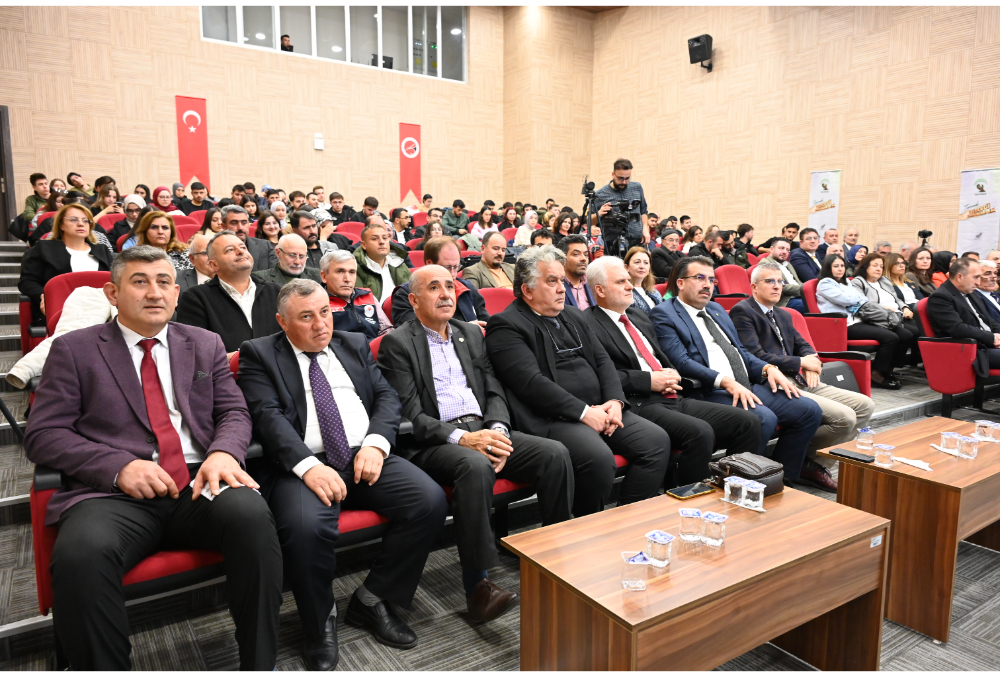
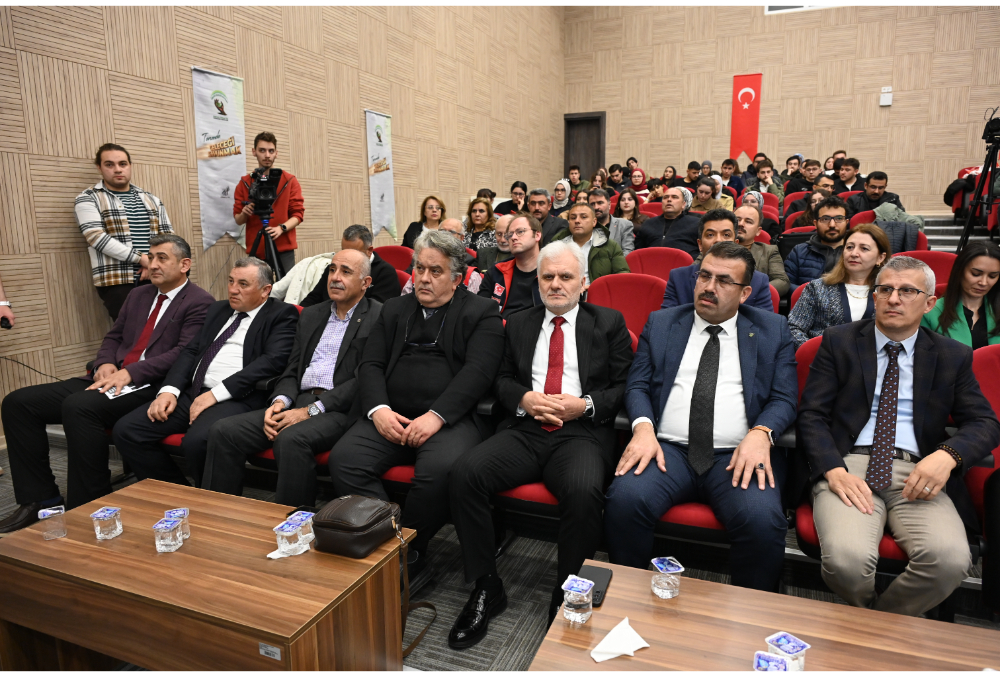
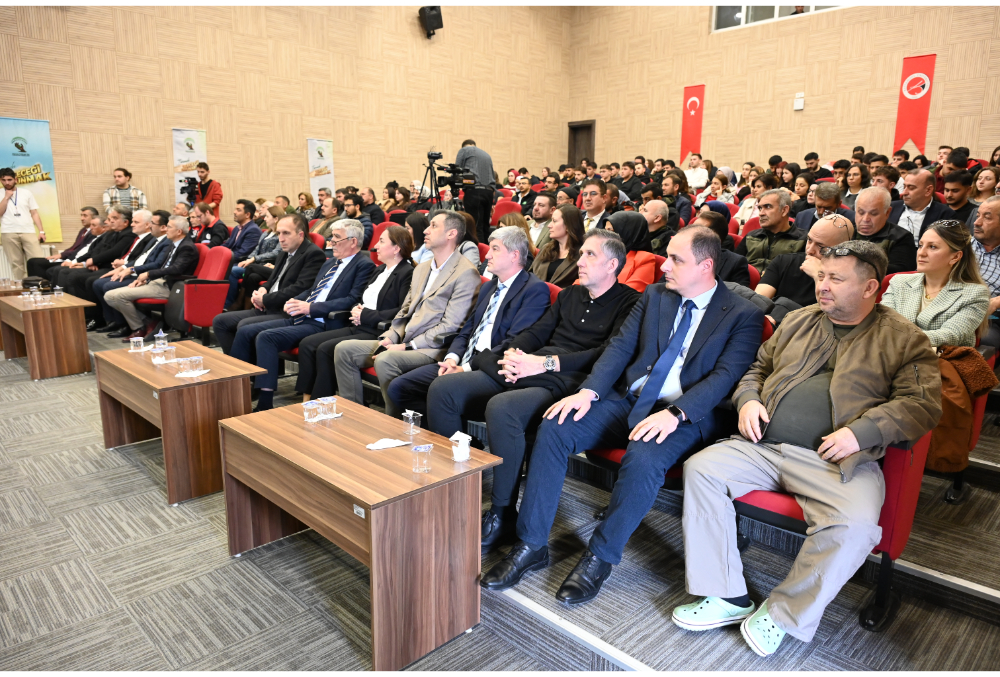
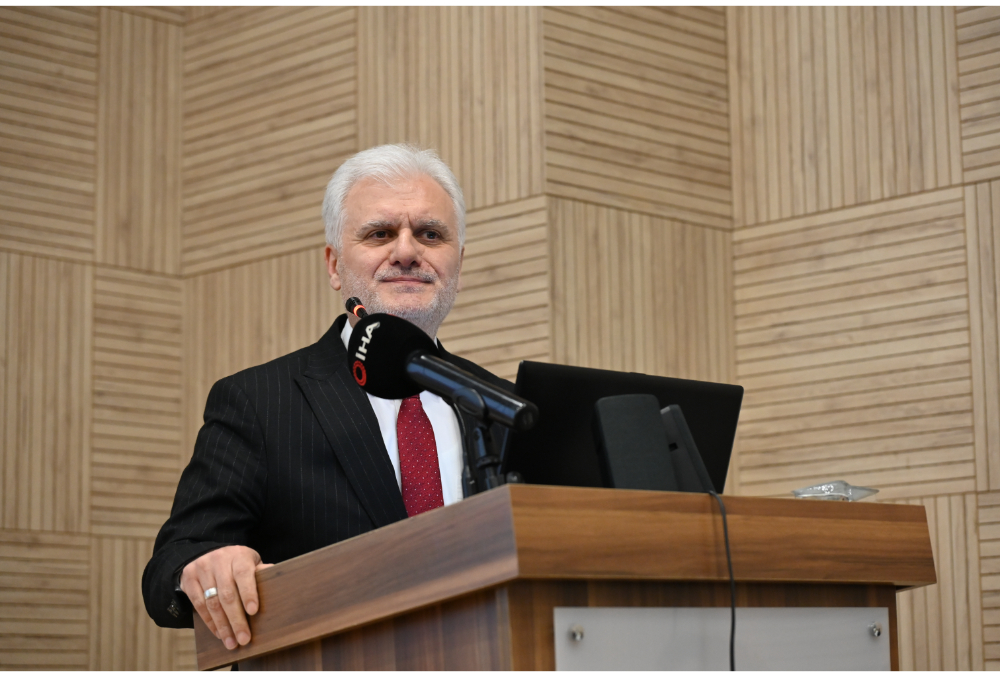
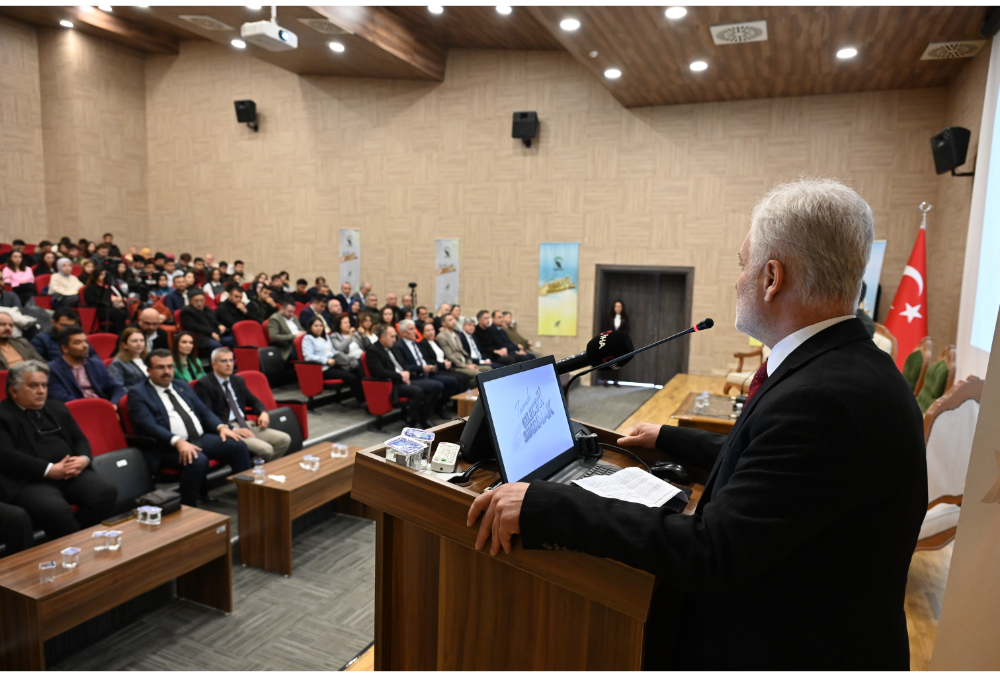
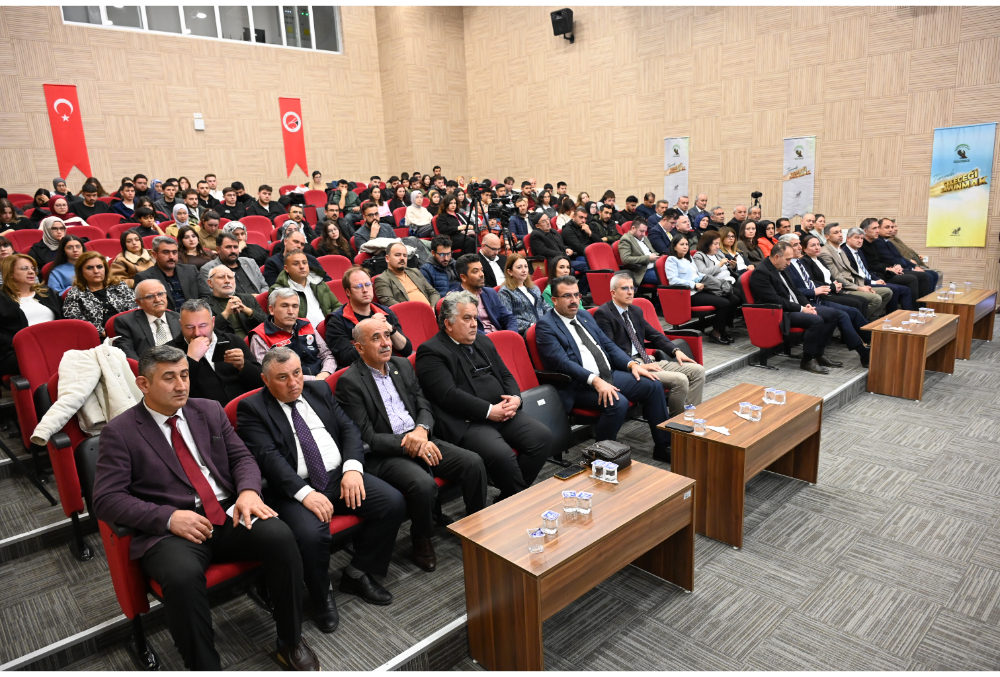
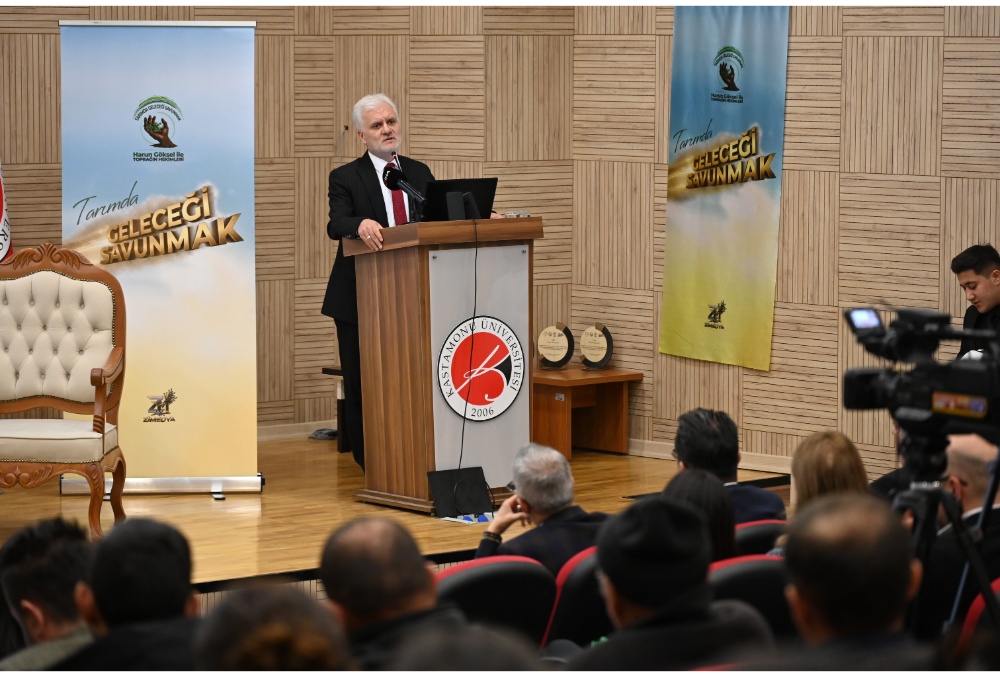
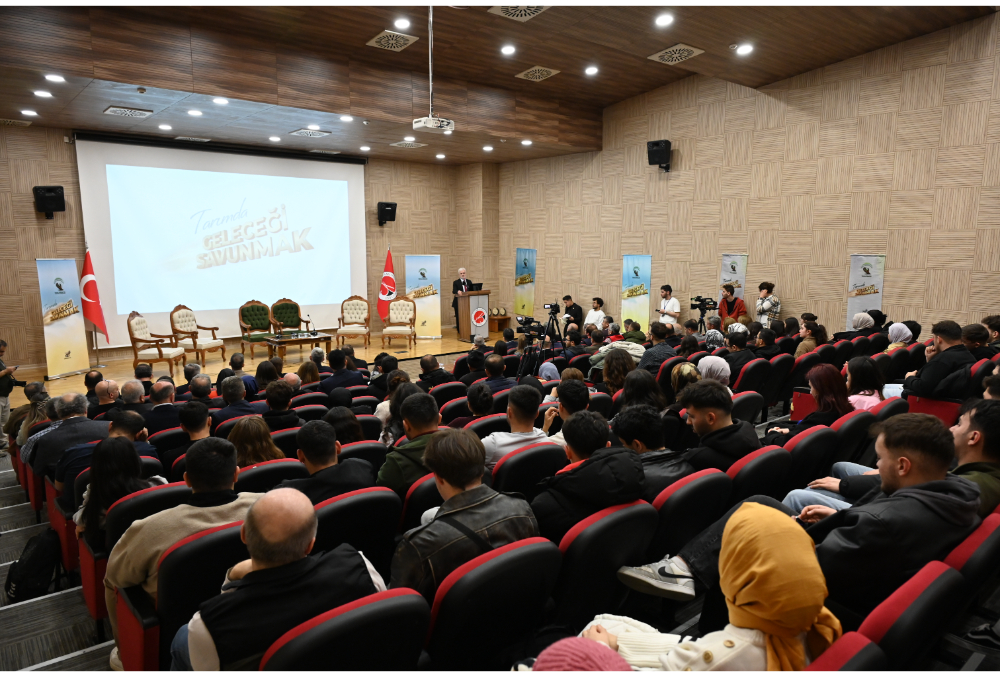
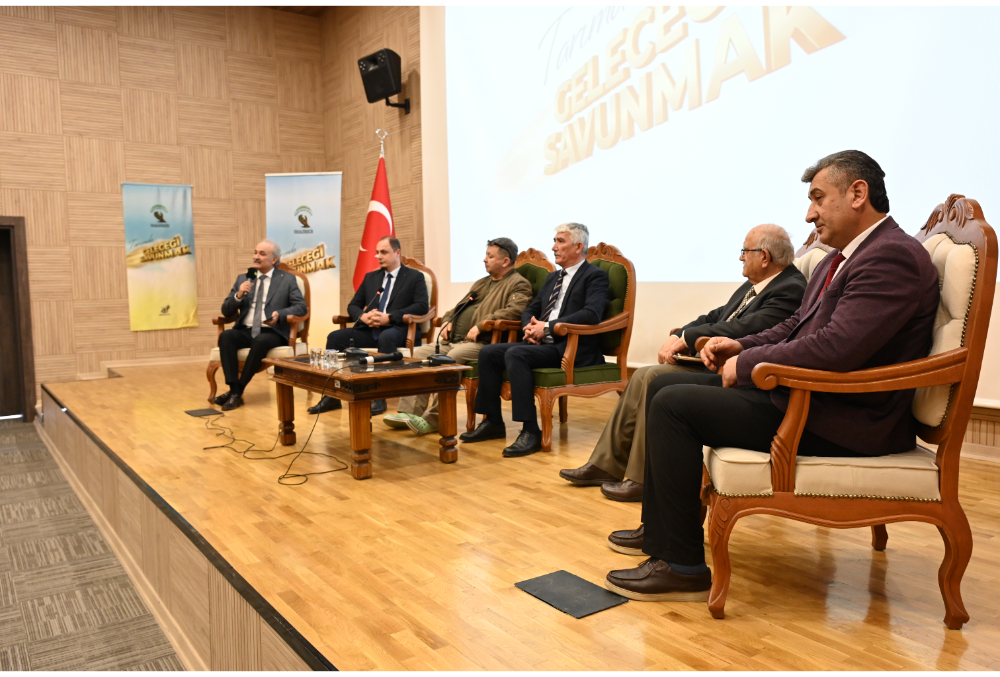
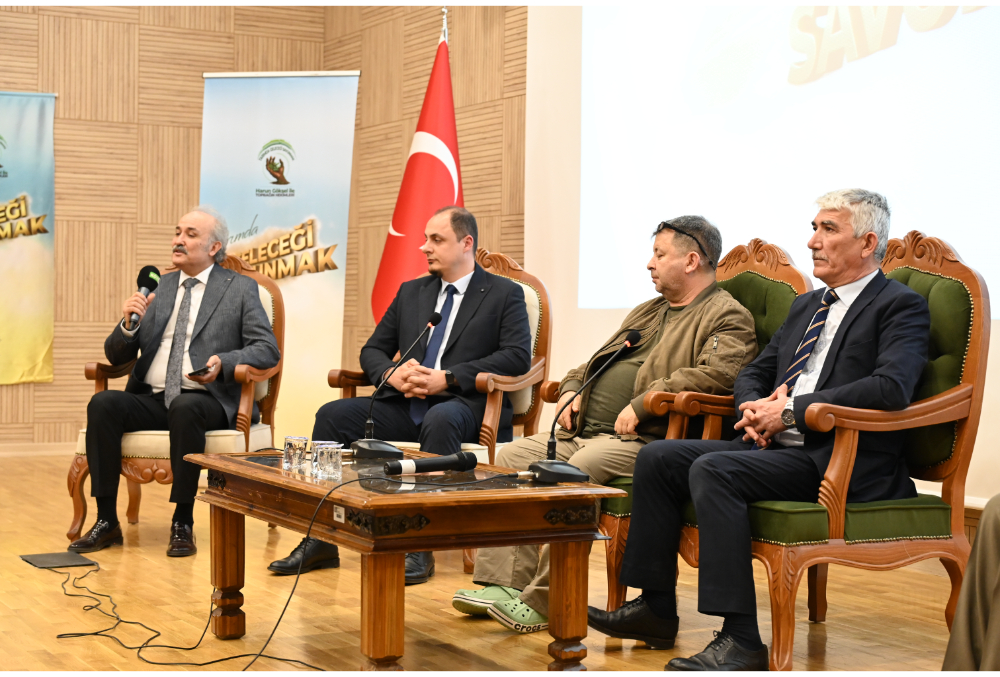
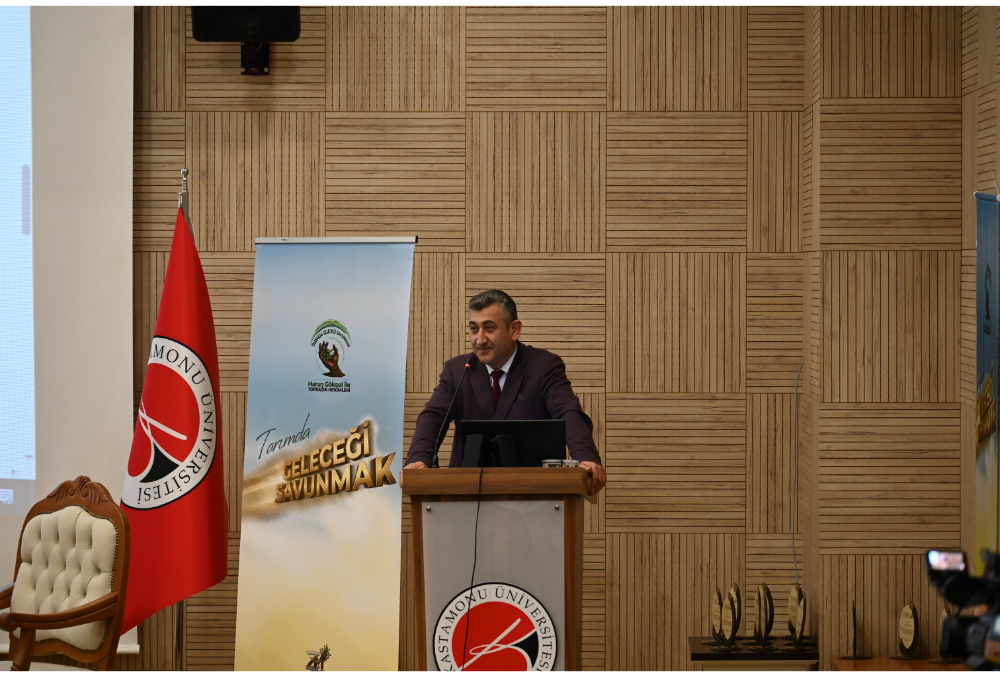
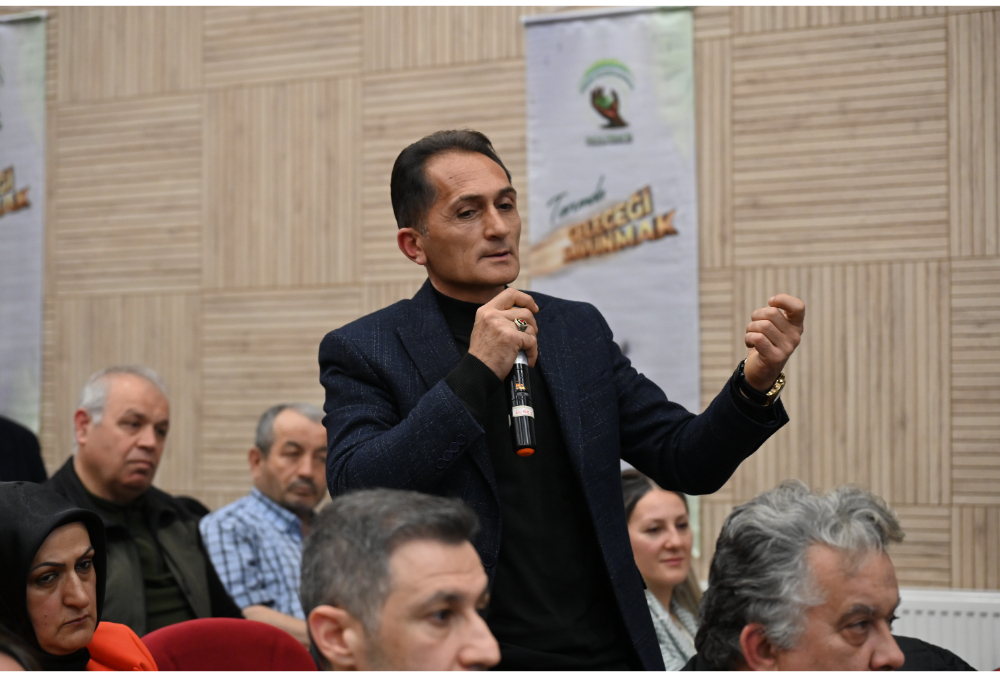
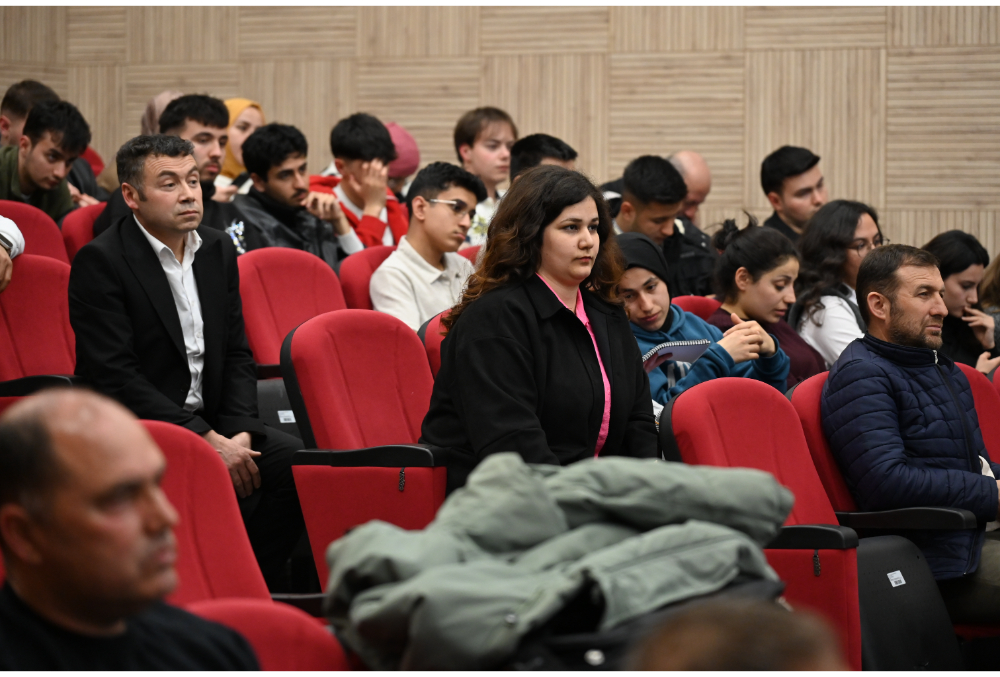
Hosted by Kastamonu University, an event shedding light on the sustainability and future of agriculture was organized in collaboration with the Faculty of Forestry and the "Doctors of the Soil" program by Köy TV. The program titled "Defending the Future in Agriculture" met with participants on Wednesday, March 25, 2026, in the Faculty of Theology Meeting Hall.
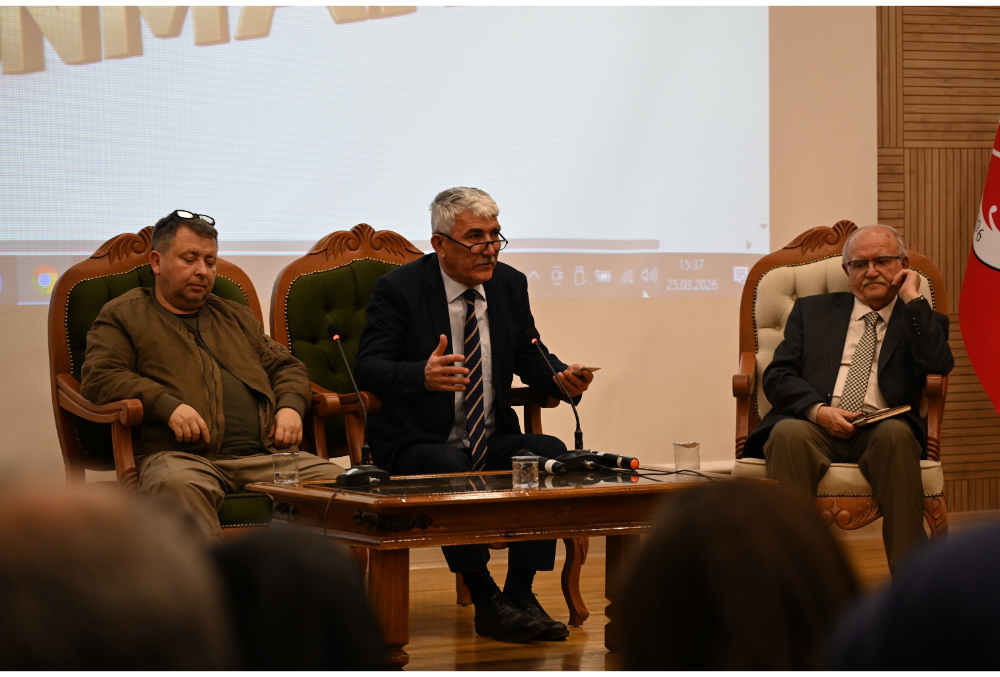
The program, which brought together experts in the field, was moderated by agricultural journalist and host of the "Doctors of the Soil" program, Harun Göksel. In the program, various aspects of agriculture, including sustainability, rural development, biodiversity, and livestock, were comprehensively addressed.
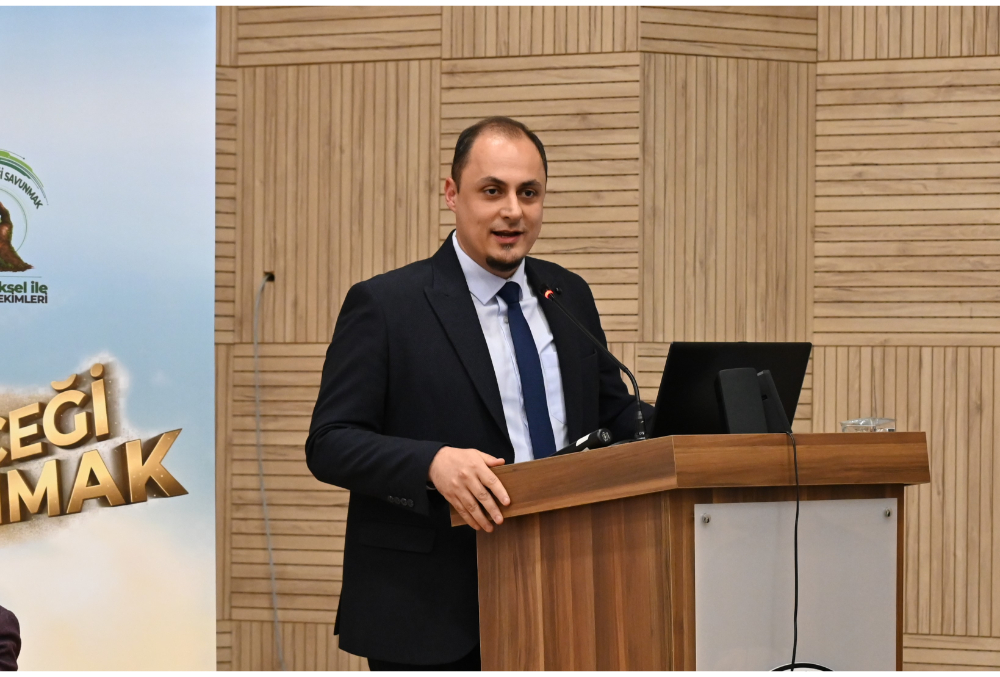
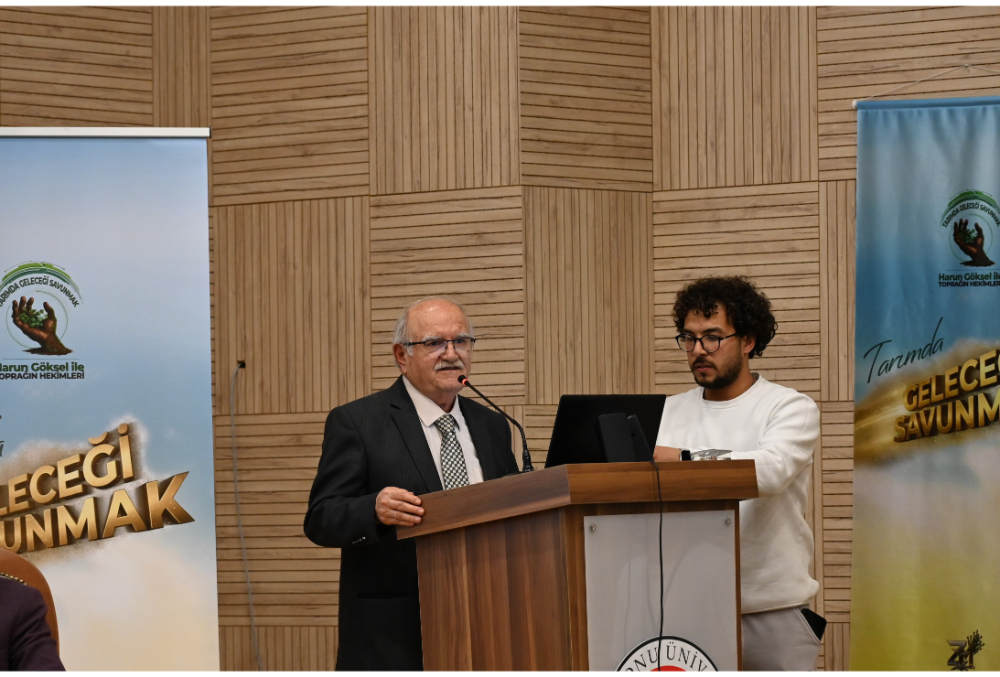
In his opening speech at the program, our Vice Rector, Prof. Dr. Ömer Küçük, emphasized that universities are not merely institutions that conduct educational activities; they are also centers of scientific production and contributors to society. Highlighting the collaboration between the university and the city, Prof. Dr. Küçük stated that production capacity has increased thanks to efforts with local stakeholders.
Stating that Kastamonu University carries out projects that add value to the province and region, especially in its specialized fields of forestry and nature tourism, Prof. Dr. Küçük mentioned that the work conducted in collaboration with public institutions, cooperatives, non-governmental organizations, and the business world contributes to entrepreneurship, the development of a qualified workforce, and a culture of joint project development. Mentioning projects aimed at integrating non-timber forest products into the economy within the scope of rural development, Prof. Dr. Küçük stated that with the support of the General Directorate of Forestry and the contributions of our Rector, Prof. Dr. Ahmet Hamdi Topal, the production area in the laurel project conducted in Cide has significantly expanded, and there has been a remarkable increase in production quantity. He stated that the aforementioned projects created employment opportunities for families in the region.
Mentioning the registration process of the chestnut honey, which is identified with Kastamonu, and the efforts to transform it into value-added products, Prof. Dr. Küçük stated that the analyses conducted in the Central Research Laboratory contributed to increasing the economic value of the products. Additionally, Prof. Dr. Küçük stated that numerous projects have been implemented within the scope of geographical indication processes, support for women's entrepreneurship, and collaborations across different sectors, and that over 60 projects in the fields of forestry and nature tourism have been carried out in collaboration with stakeholders.
Emphasizing that they are actively involved not only within the campus boundaries but also in the field, Prof. Dr. Küçük added that the aim is to develop the capacity of institutions thru the SME Mentor Matching Program, one of the first applications targeting the forestry sector in the TR82 Region, and that such efforts aim to create a broader impact at both regional and national levels. After Prof. Dr. Küçük, the program host, Harun Göksel, stated that Kastamonu has an important heritage in its forest resources, natural beauties, and rich gastronomy, and emphasized that these values should be preserved and passed on to future generations.
The first speaker of the program, Assist.Prof.Dr. Kerim Güney from the Faculty of Forestry highlighted the role of medicinal and aromatic plants in rural development. Stating that these plants are a strategic resource that strengthens the local economy, Assist.Prof.Dr. Güney stated that, with proper planning, they could become a key element of rural development, emphasizing the importance of improving quality and marketing processes to support the recent increase in laurel production.
Following Assist.Prof.Dr. Güney, Assoc. Prof. Dr. Özkan Evcin addressed the relationship between humans and wildlife. Stating that the living spaces of creatures are increasingly shrinking, Assoc. Prof. Dr. Evcin reminded that wildlife is an important element supporting human life and said that maintaining this balance is a shared responsibility. Assoc. Prof. Dr. Evcin also stated that the question of how humans and wildlife can share the same geography more harmoniously remains relevant.
After Assoc. Prof. Dr. Evcin and Erol Akar, the President of the Kastamonu Village Development and Other Agricultural Cooperatives Union (KÖYKOOP), also emphasized the importance of cooperativism in their speeches. Stating that producing while protecting the forest ecosystem and strengthening it through a cooperative structure protects both producers and nature, Akar expressed that cooperatives increase producers' income, enhance their quality of life, and strengthen social solidarity. In addition, Akar emphasized that the role of women in the production and cooperative process is gradually increasing.
Speaking at the program, Deputy Regional Director of the General Directorate of Forestry, Ahmet Er, stated that protecting nature is vital for future generations. Stating that nature is the most valuable heritage to be passed on to future generations, Er said that protecting this heritage requires a conscious approach. He drew attention to the importance of sustainably protecting forests and water resources.
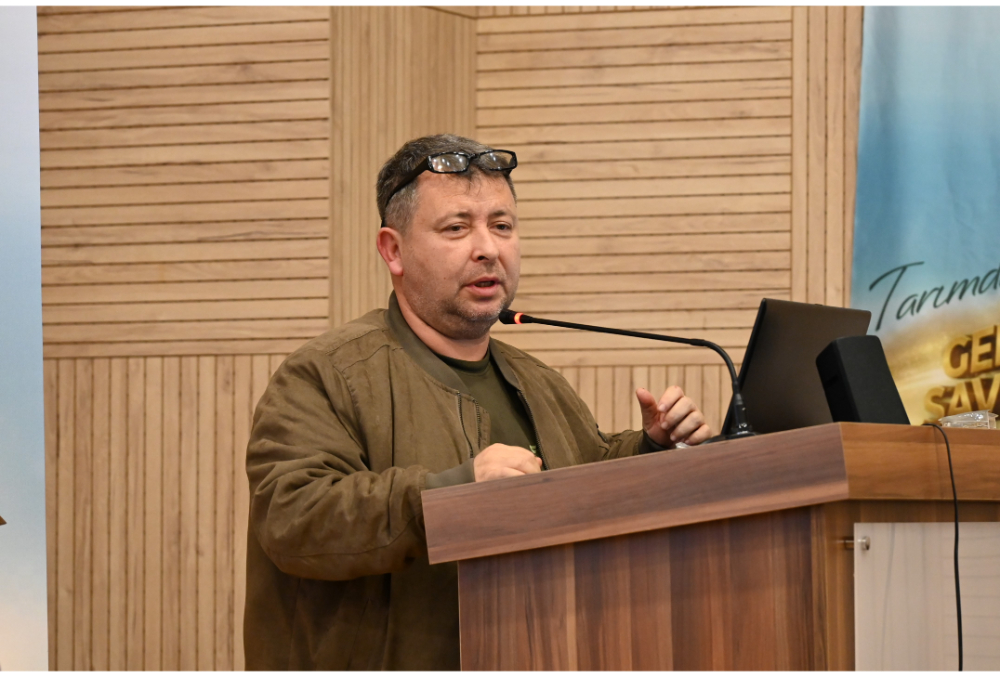
Finally, speaking last, the President of the Kastamonu Breeding Sheep and Goat Breeders Association, Adem Canbaz, touched on the relationship between small-scale animal husbandry and the forest ecosystem. Stating that when managed correctly, small-scale livestock farming does not harm nature but rather contributes to the ecosystem and human life, Canbaz said that the natural fertilizers produced by animals preserve soil health and that small-scale livestock farming provides economic support to forest villagers. For this reason, he emphasized that small-scale livestock farming should be encouraged.
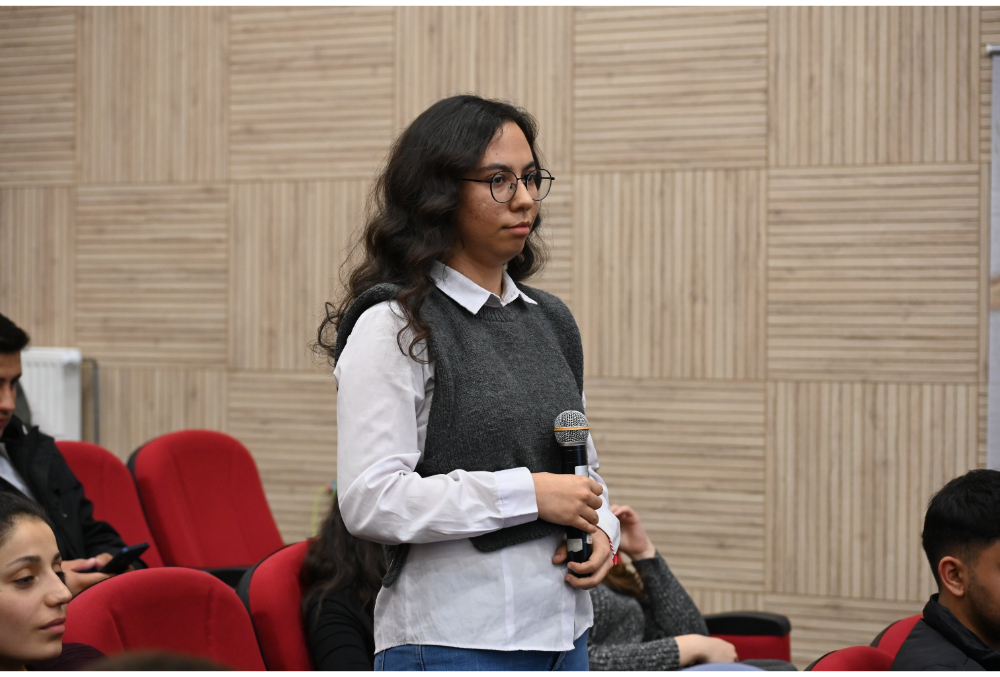
The programme concluded with the presentation of appreciation plaques to the participants after the question-and-answer session.