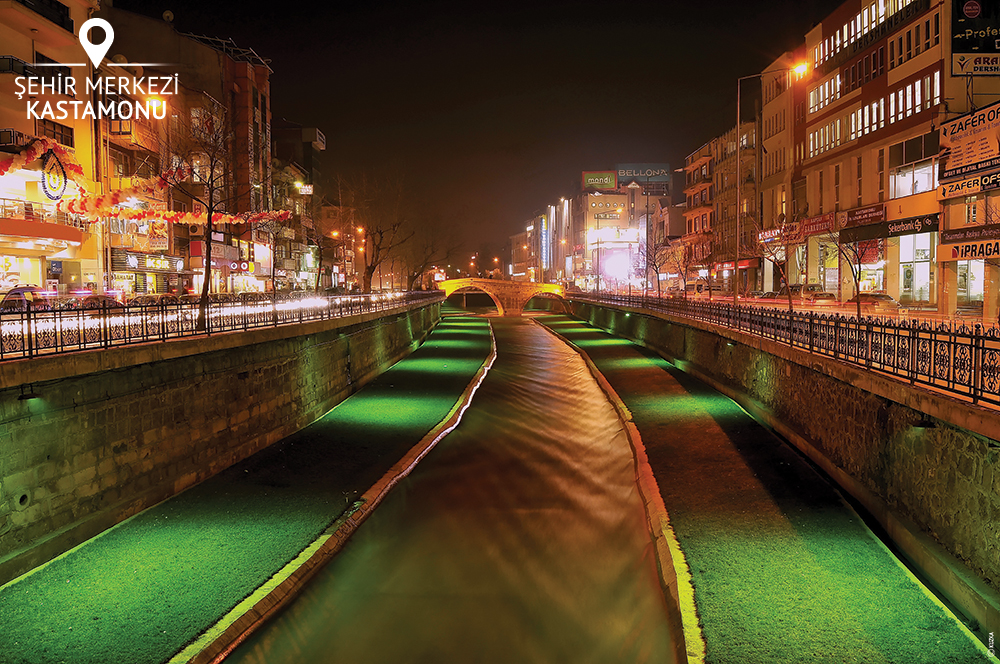
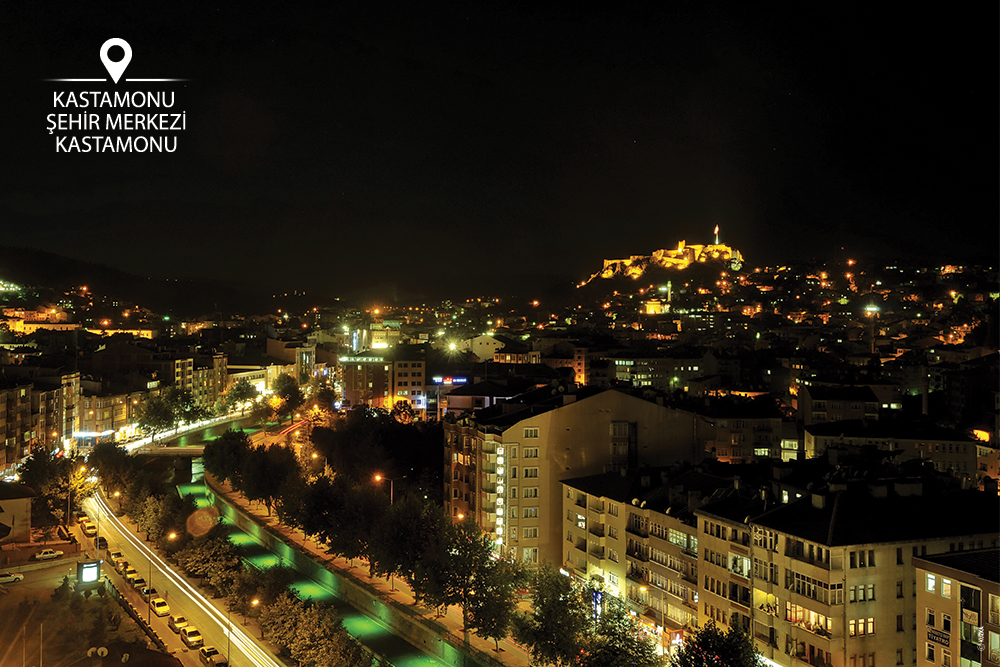
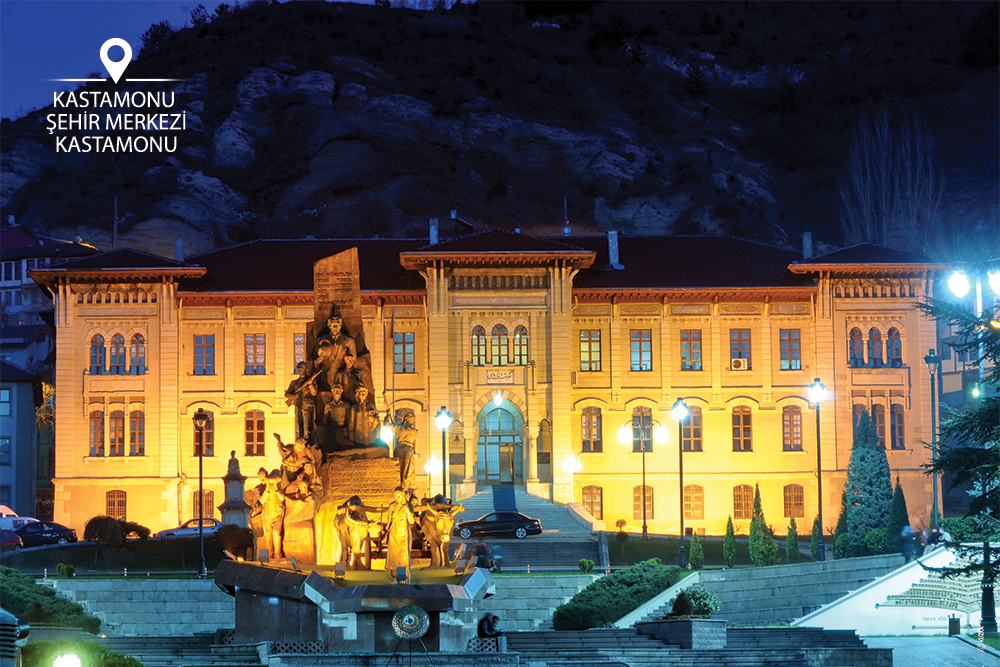
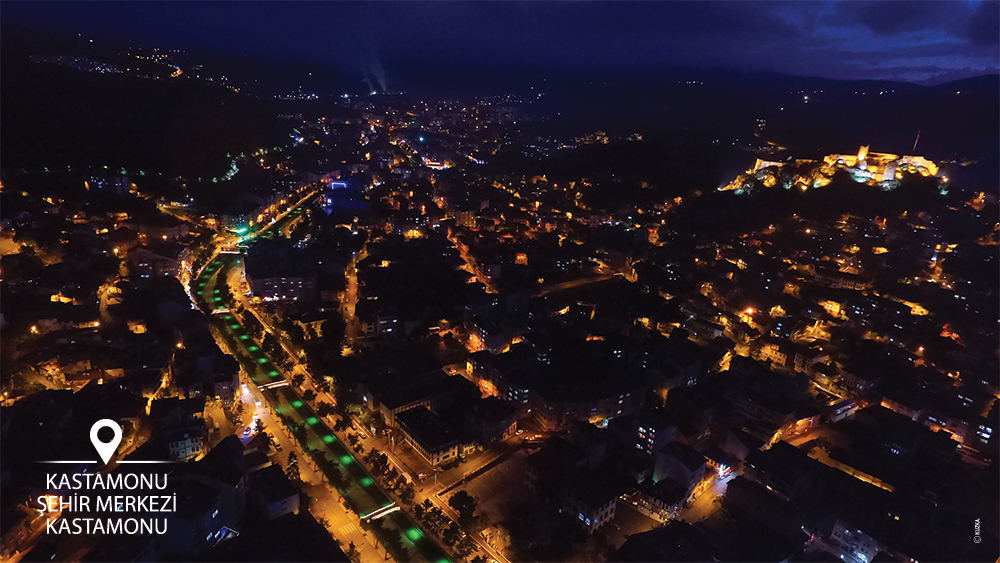
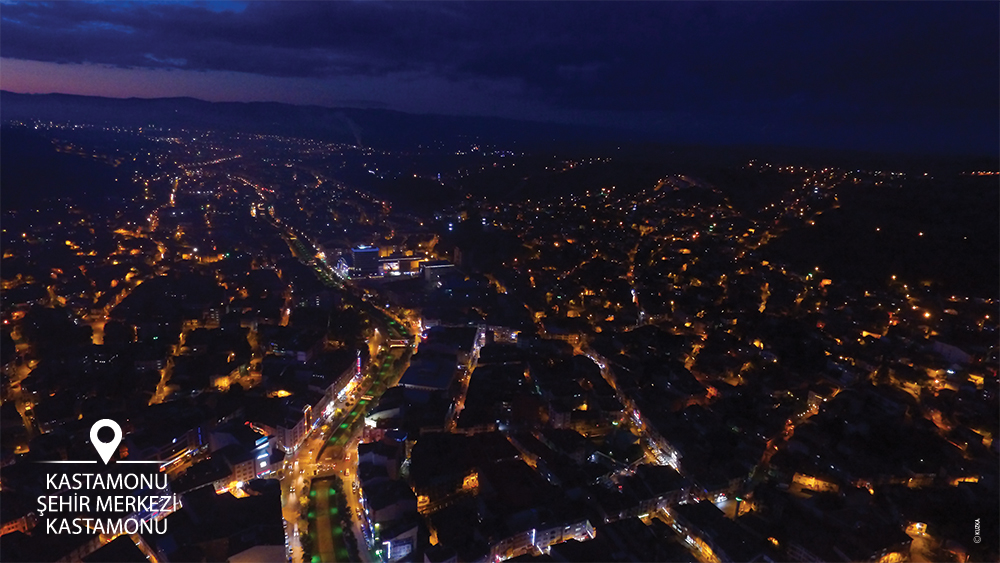
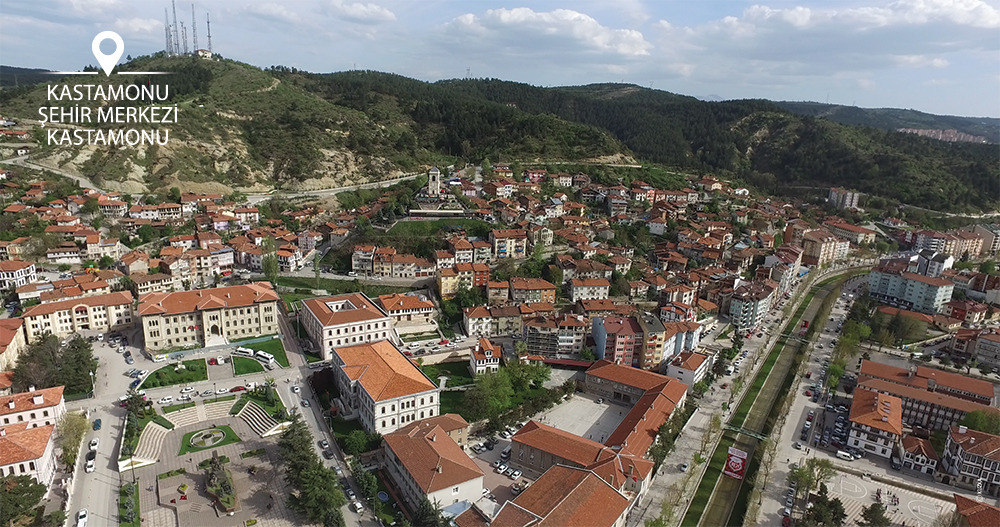
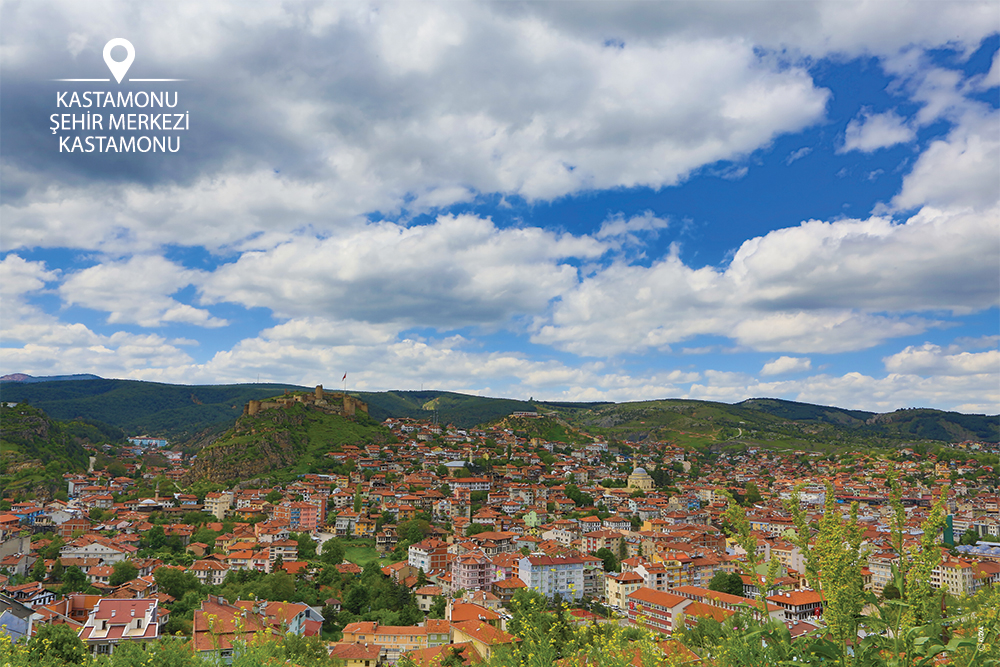
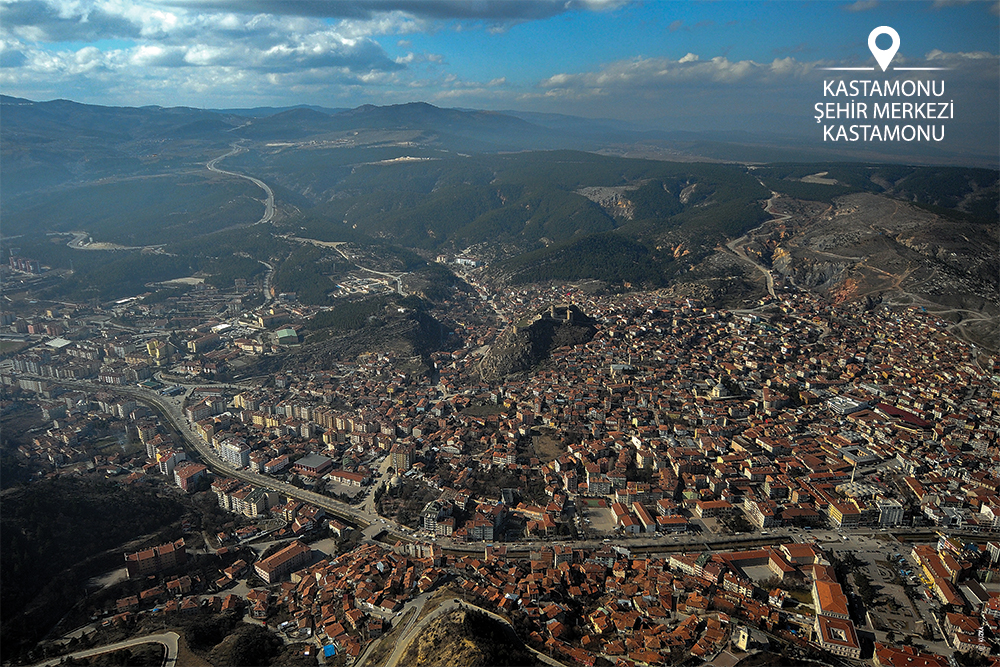
Kastamonu, one of the essential stops in ancient Turkish history, has gained an exceptional place in the cultural memory of Anatolia as the center of principalities and sanjak for centuries. Archaeological findings show that the history of this deep-rooted city dates back to the Paleolithic Period. Throughout history, Kastamonu has been home to the Gas, Hittites, Phrygians, Lydians, Persians, Macedonians, Romans, and Byzantines. With the Seljuks, Kastamonu started to bear the traces of Turkish-Islamic civilization; it became the center of important principalities such as Danişmentliler, Çobanoğulları, and Candaroğulları, and then became a strong banner of the Ottoman Empire.
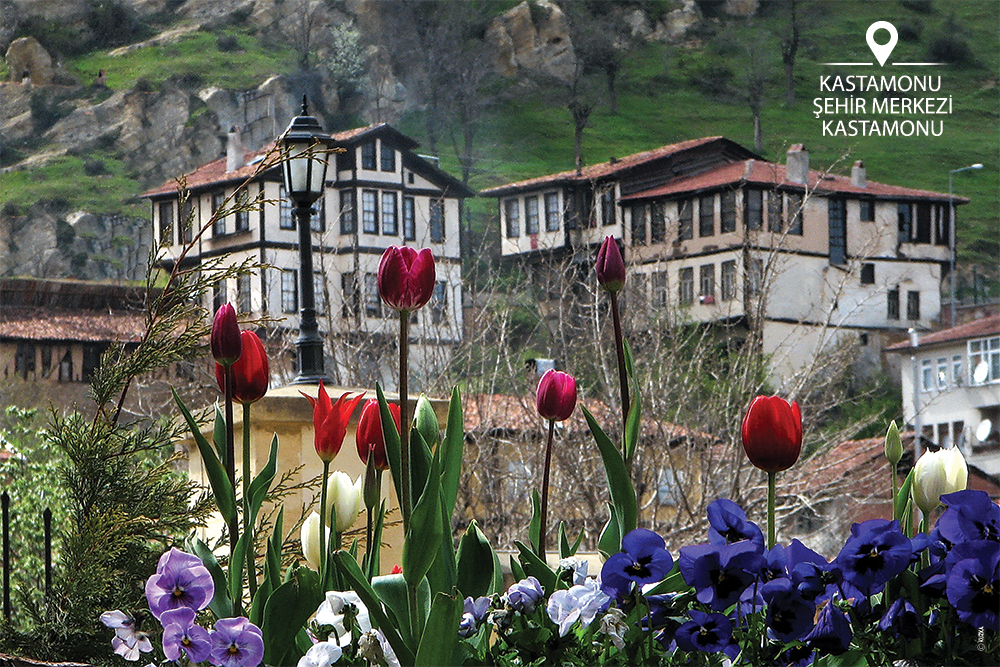
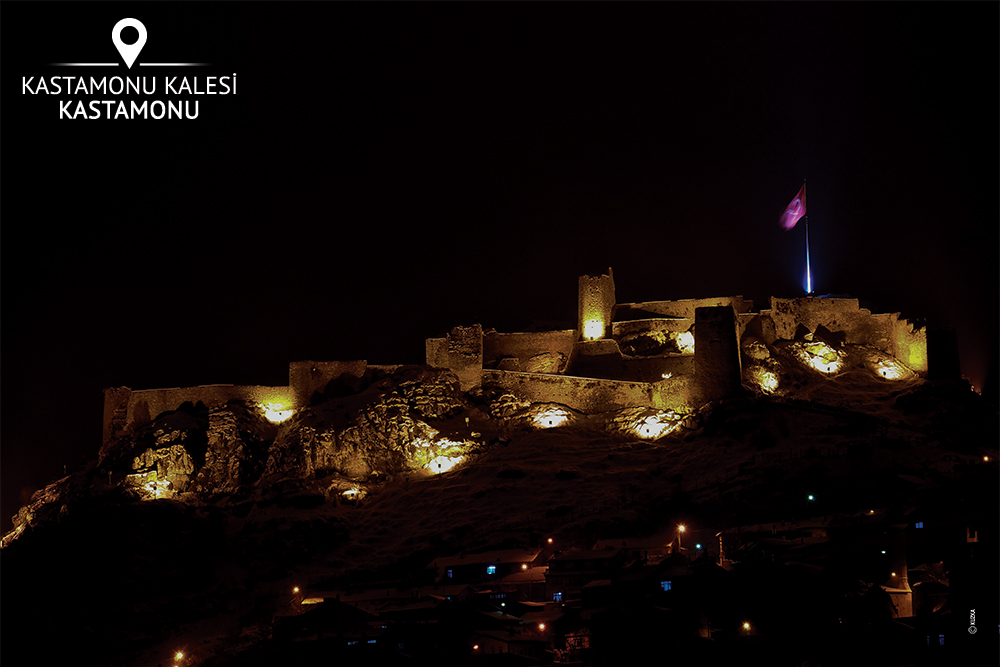
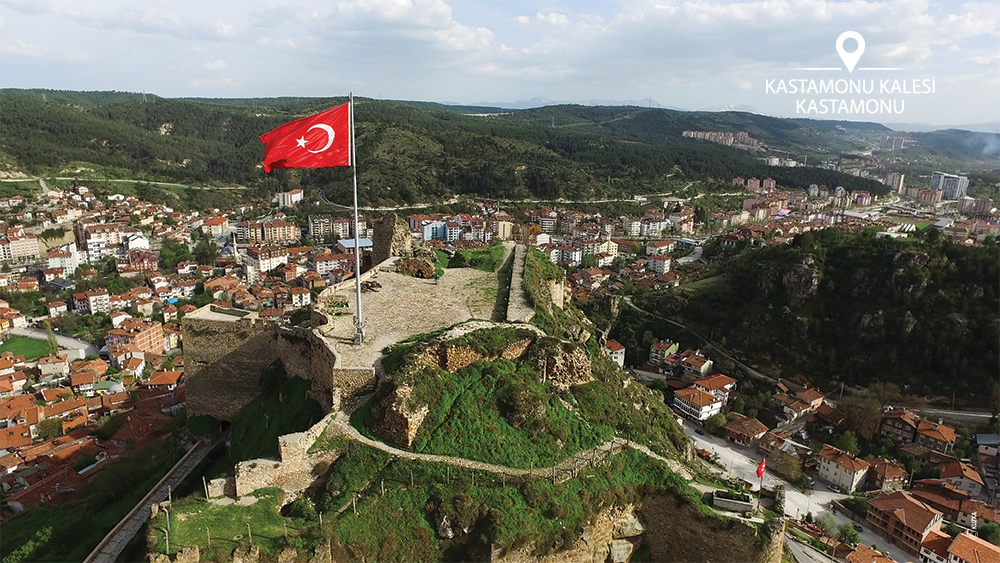
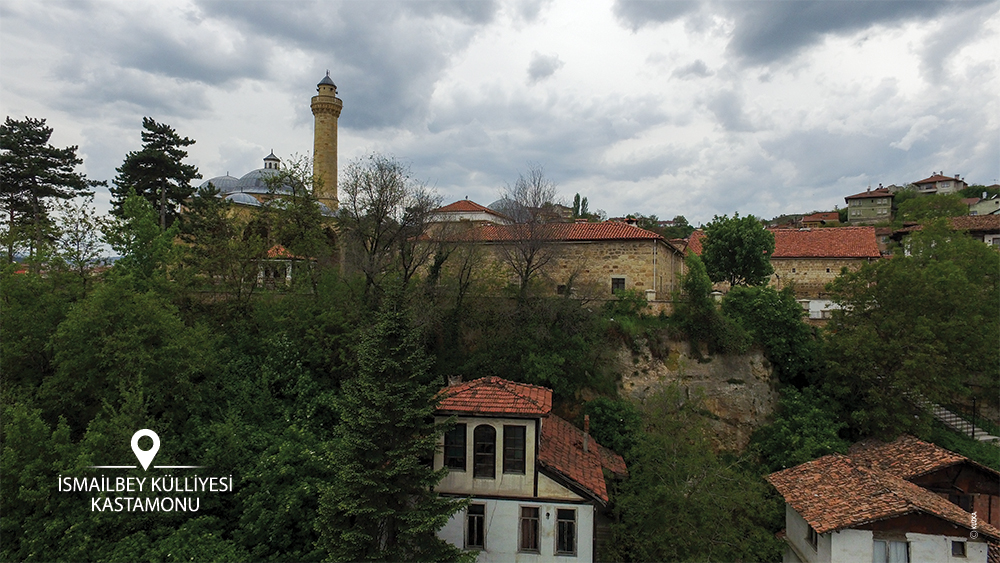
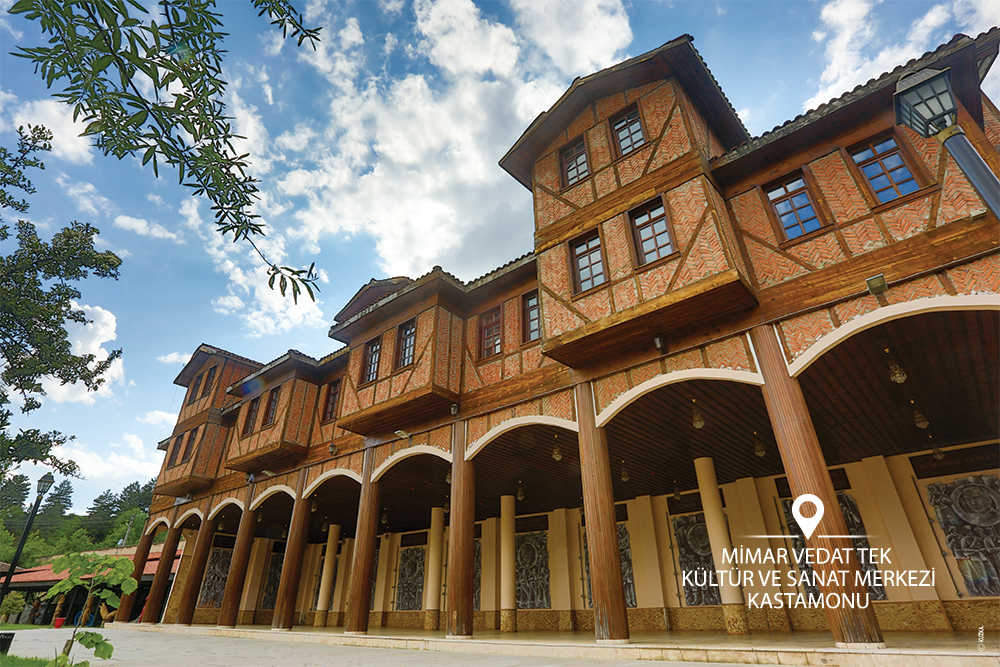
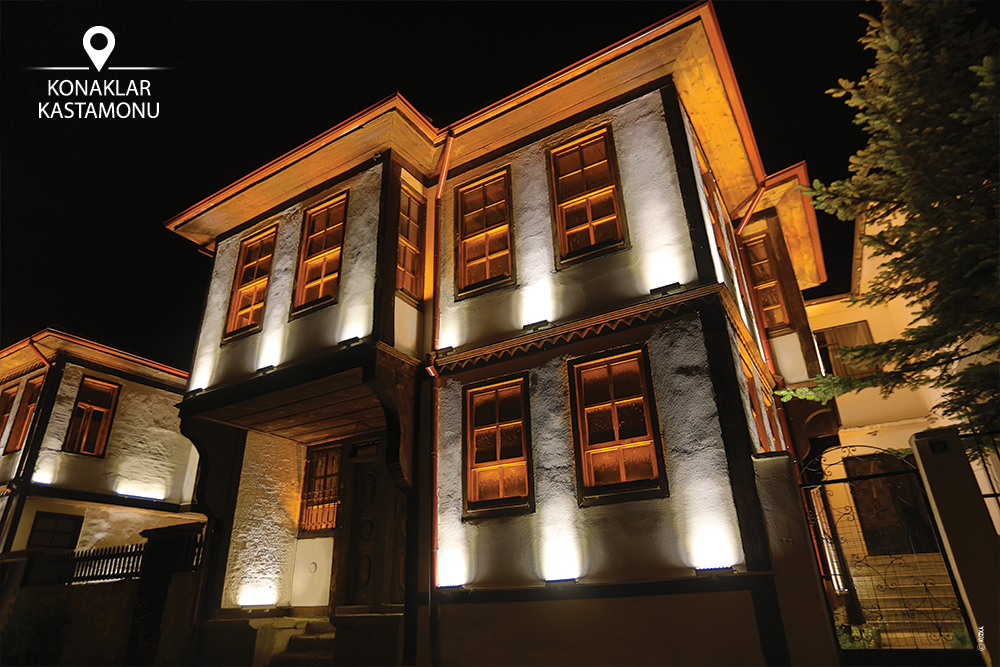
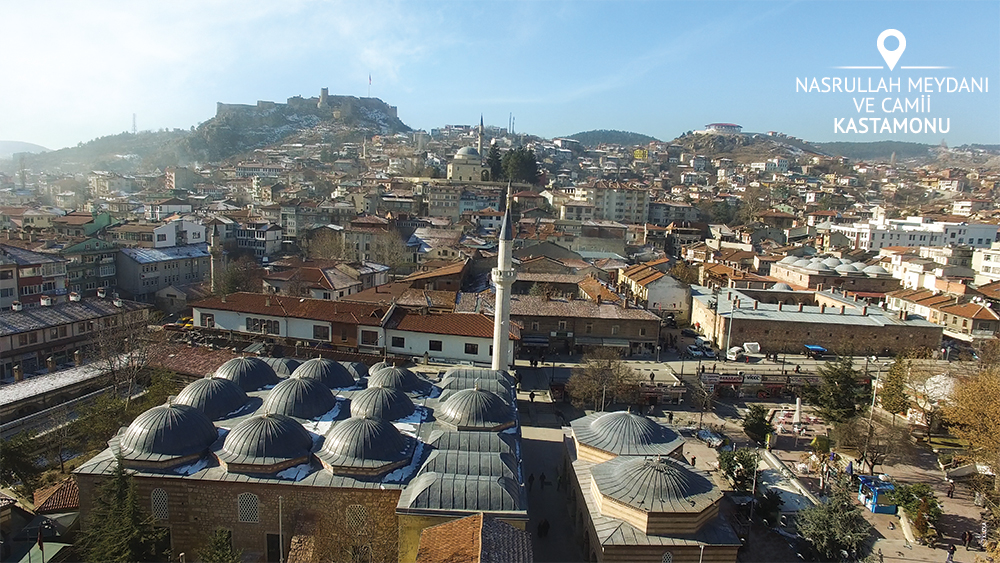
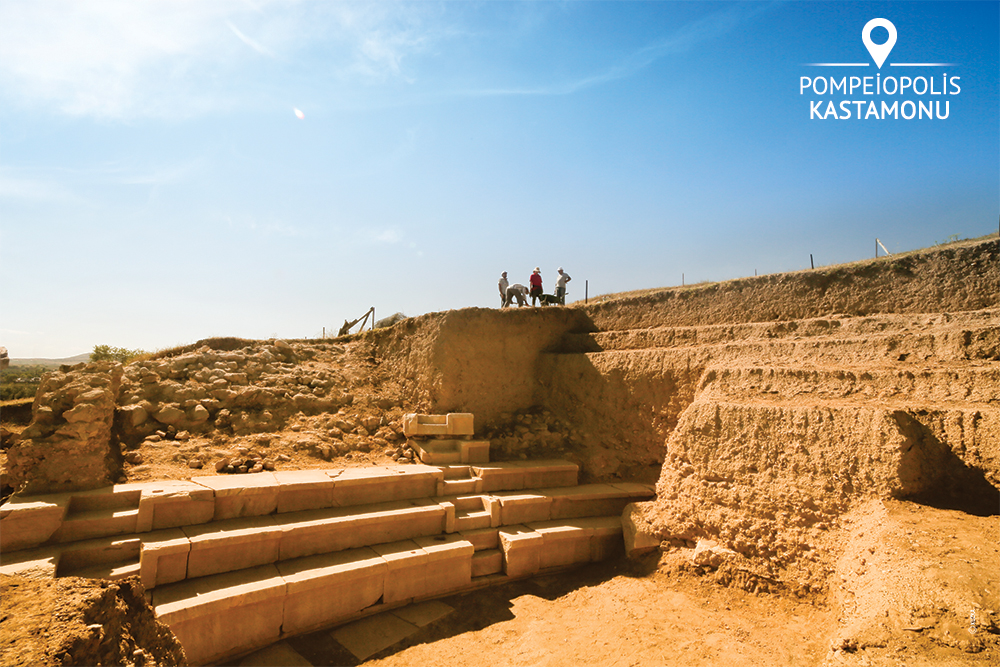
This multi-layered historical richness has given Kastamonu a unique cultural heritage. From the ancient city of Pompeiopolis to Evkaya Tombs, from Kastamonu Castle to Nasrullah Kadı Complex, from Şeyh Şaban-ı Veli and İsmailbey Complexes to Mahmutbey Mosque, many historical buildings reveal the past of the city. The Clock Tower, Cem Sultan Bedesten, İsmailbey Inn, and traditional Kastamonu mansions are integral to this historical texture.
Kastamonu has earned a rightful place in the history of the Republic not only with its past but also with the role it played during the War of Independence. Being one of the most critical junctions of the Independence Road, the city hosted the first women's rally and the proclamation of the Hat Revolution and became one of the cities that shaped Turkey's modernization process.
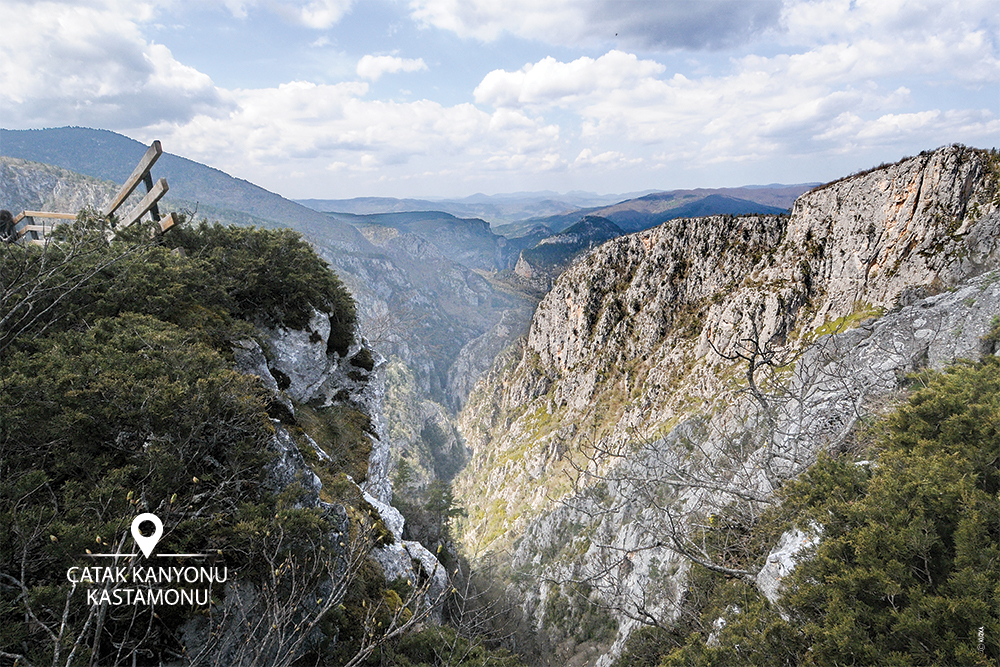
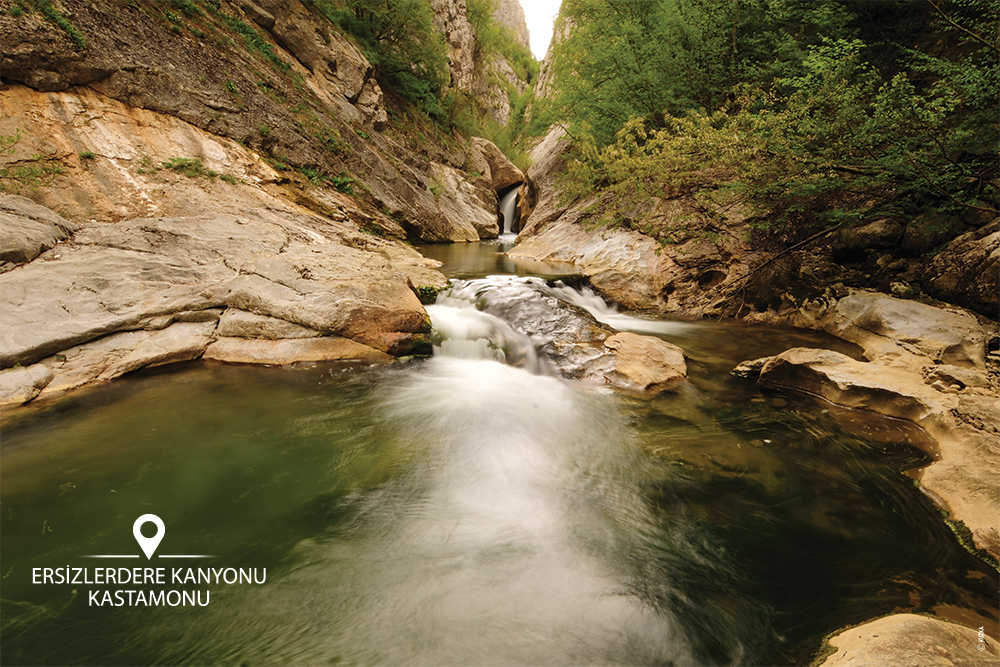
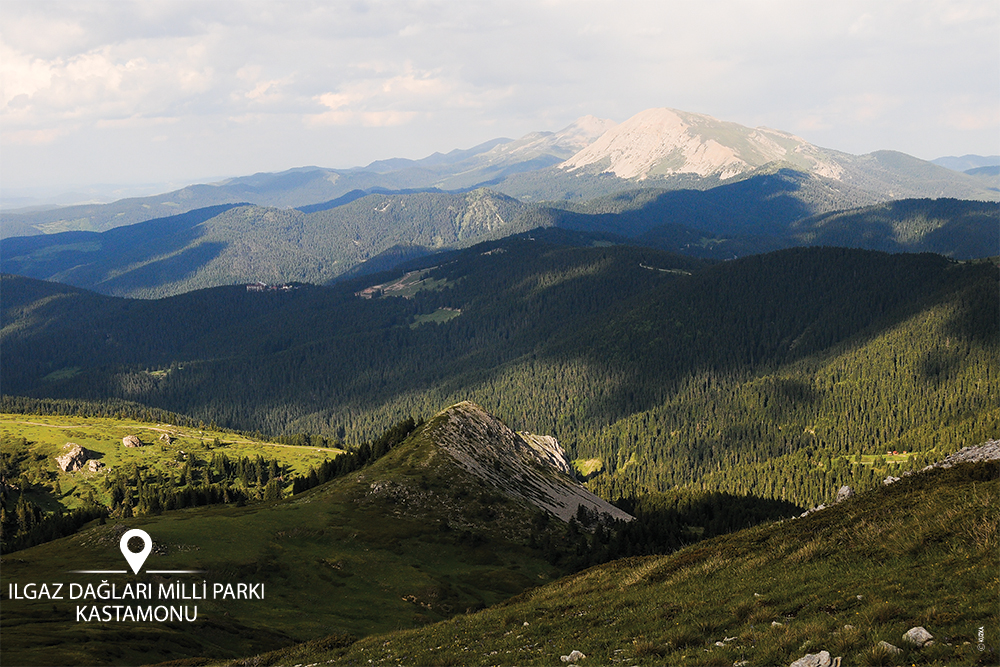
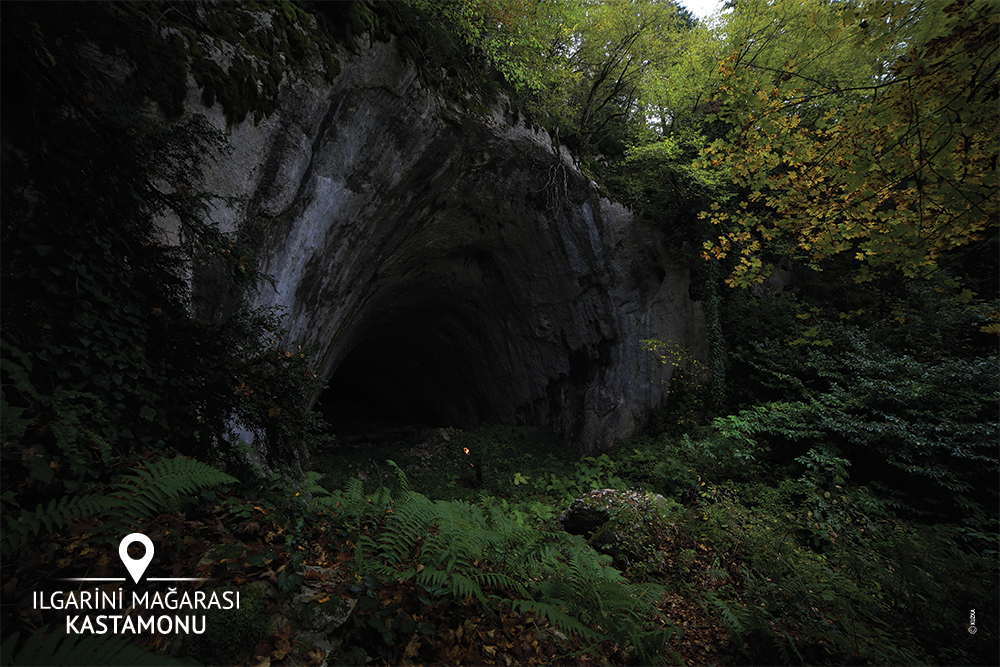
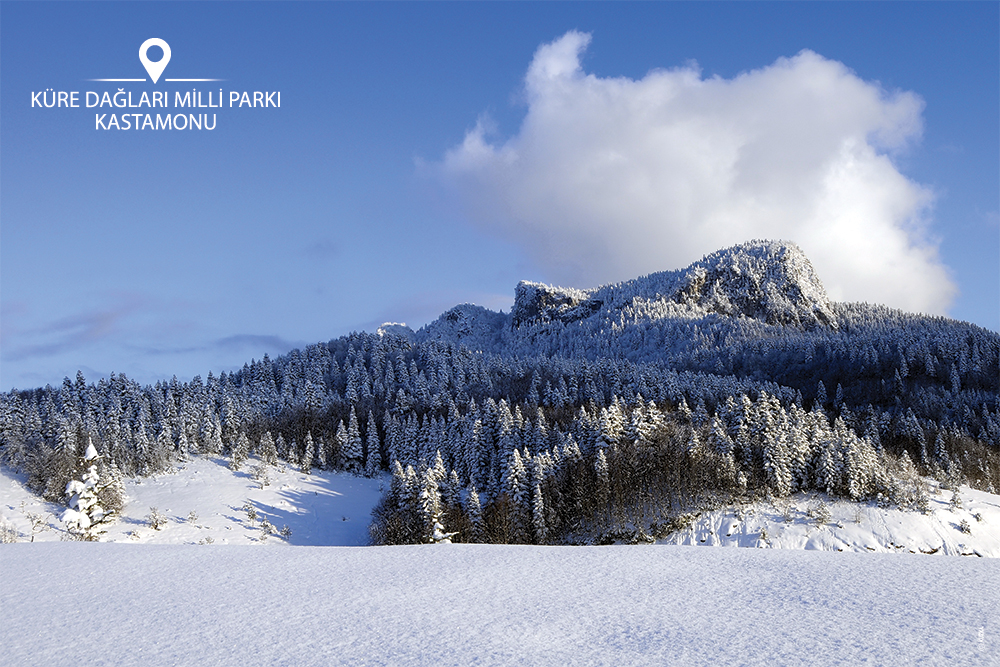
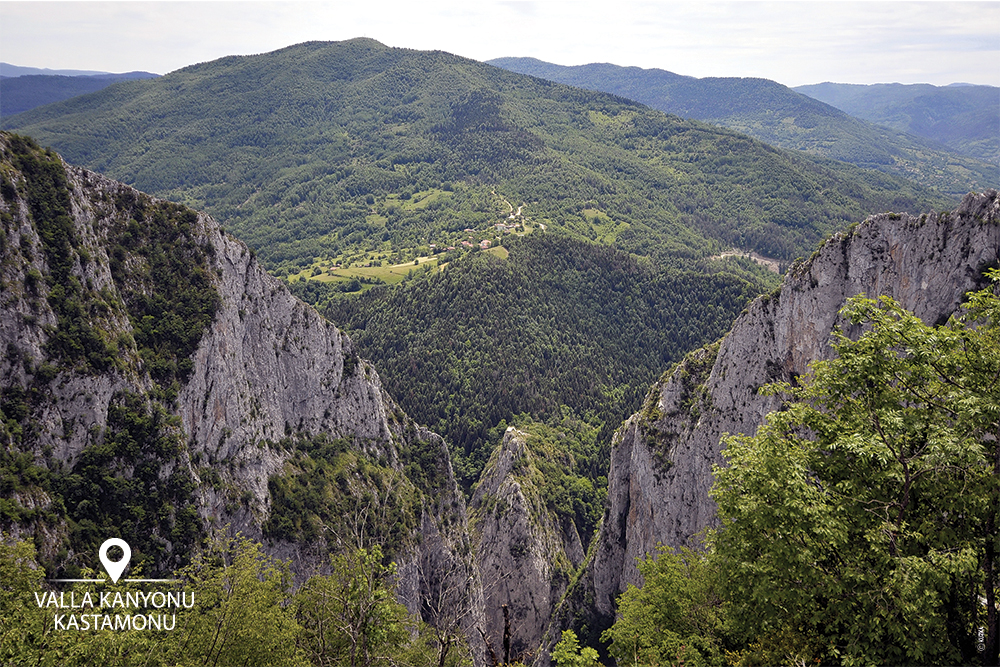
Kastamonu, which also stands out with its natural beauties, is a paradise for nature lovers with its geography ranging from the Black Sea coast to the Ilgaz Mountains, Valla and Horma canyons, Ilıca Waterfall, plateaus and caves. The Küre and Ilgaz Mountains National Parks are among Turkey's most important nature conservation areas with rich ecosystems and biodiversity. The city, which has excellent potential for sea, nature, winter, and sports tourism, also has essential stops regarding faith tourism.
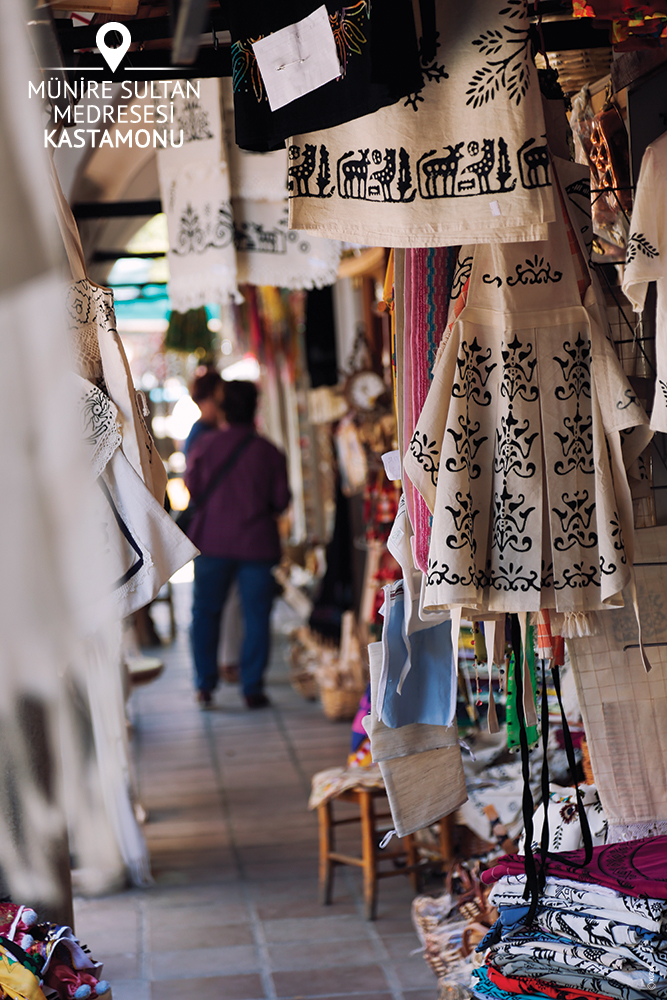
Kastamonu's cultural identity is enriched with many elements, from folk dances to handicrafts and local clothes to its unique cuisine. Kastamonu cuisine attracts the attention of gastronomy enthusiasts with its local flavors ranging from meat bread to pull halva and banduma to sour rice.
Today, Kastamonu is a city of history and culture and a dynamic center that contributes to the national economy with its enterprises operating in agriculture, animal husbandry, industry, and trade. This multifaceted development makes Kastamonu one of Anatolia's rising values.
At Kastamonu University, we act with an awareness of this deep-rooted and rich past; we are proud to carry our city's strength in science, culture, and education into the future.