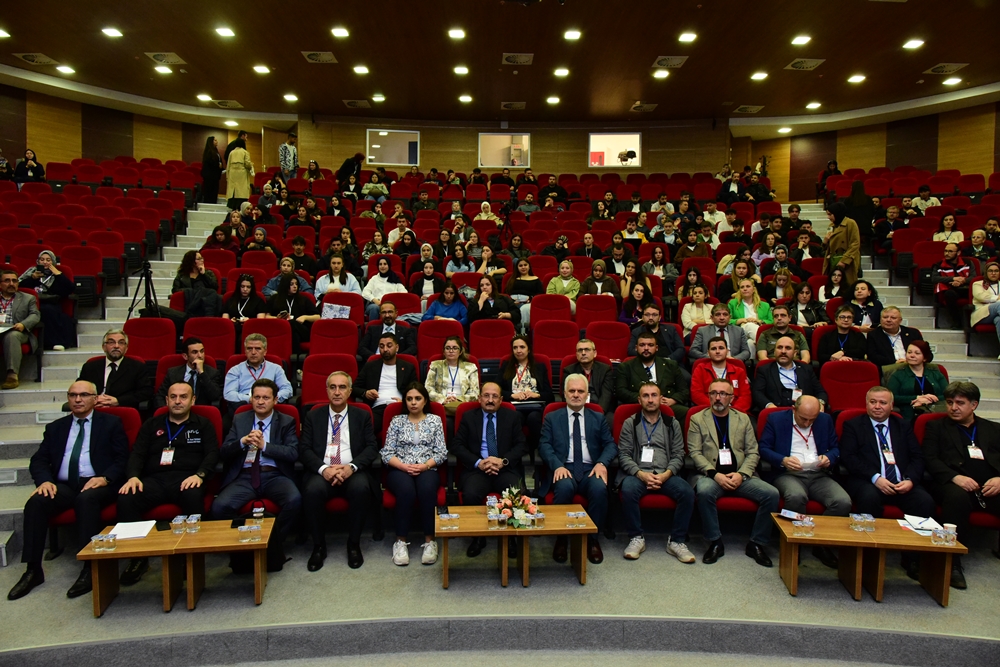
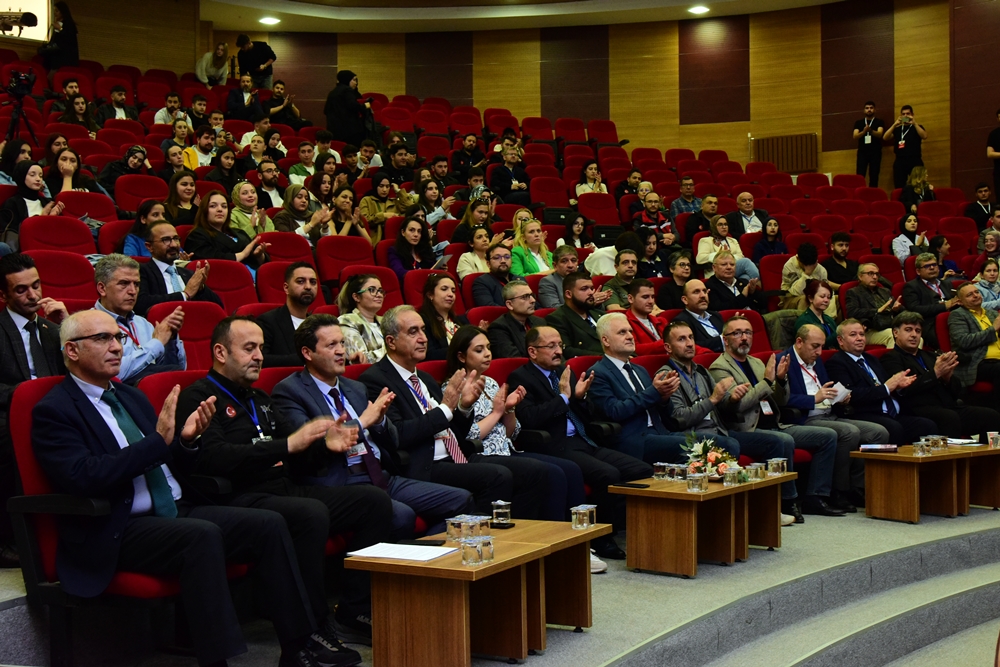
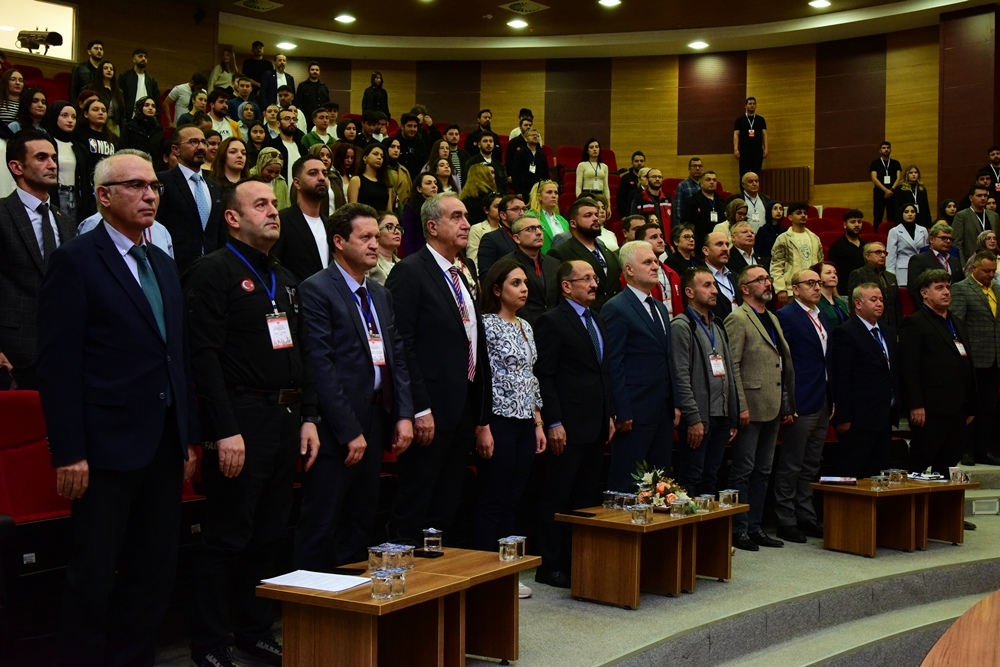
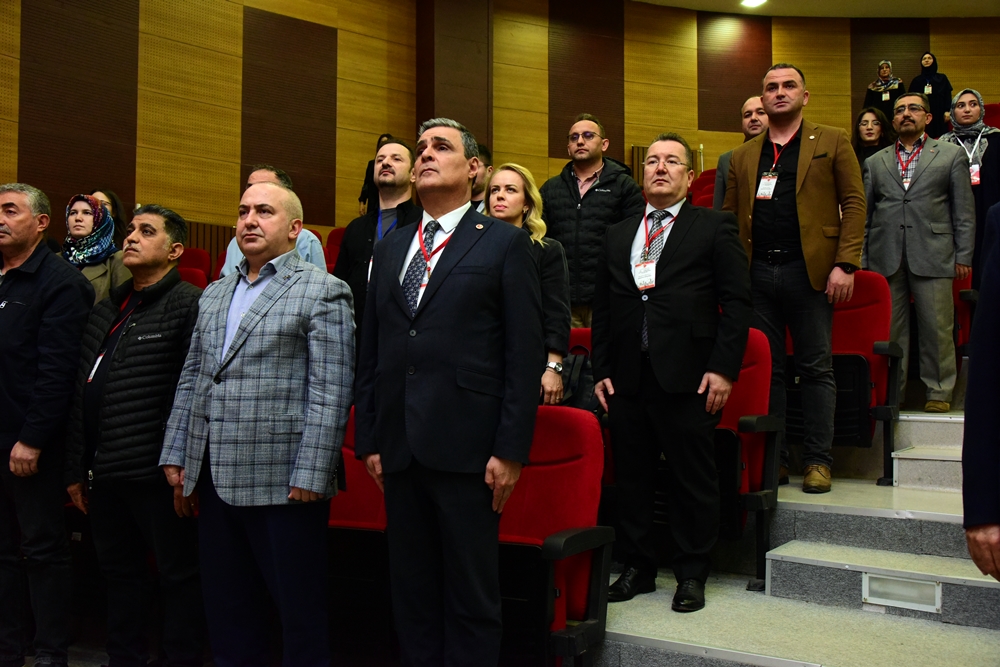
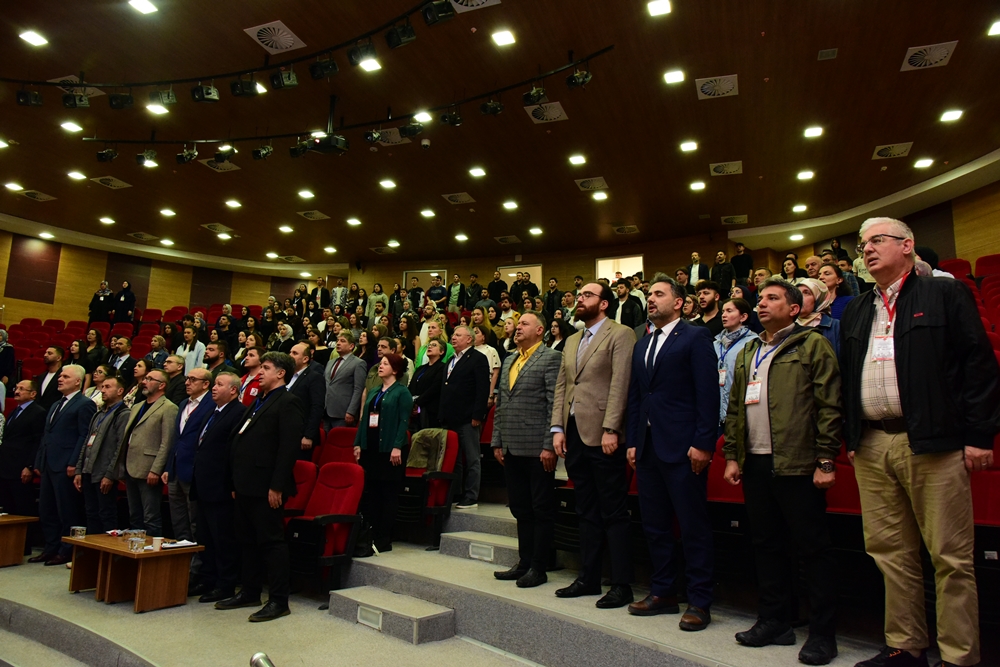
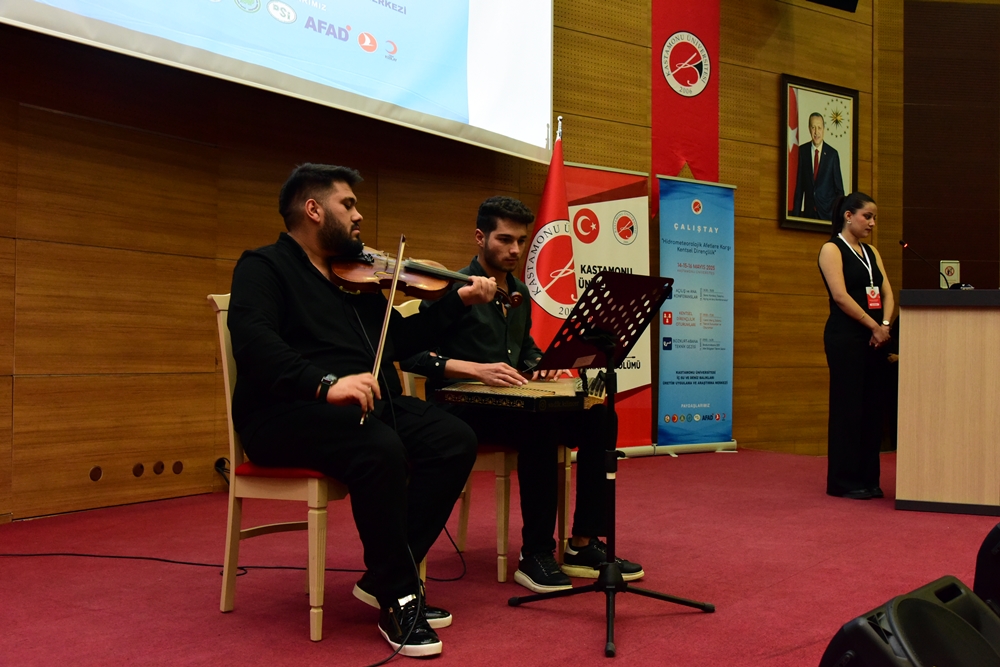
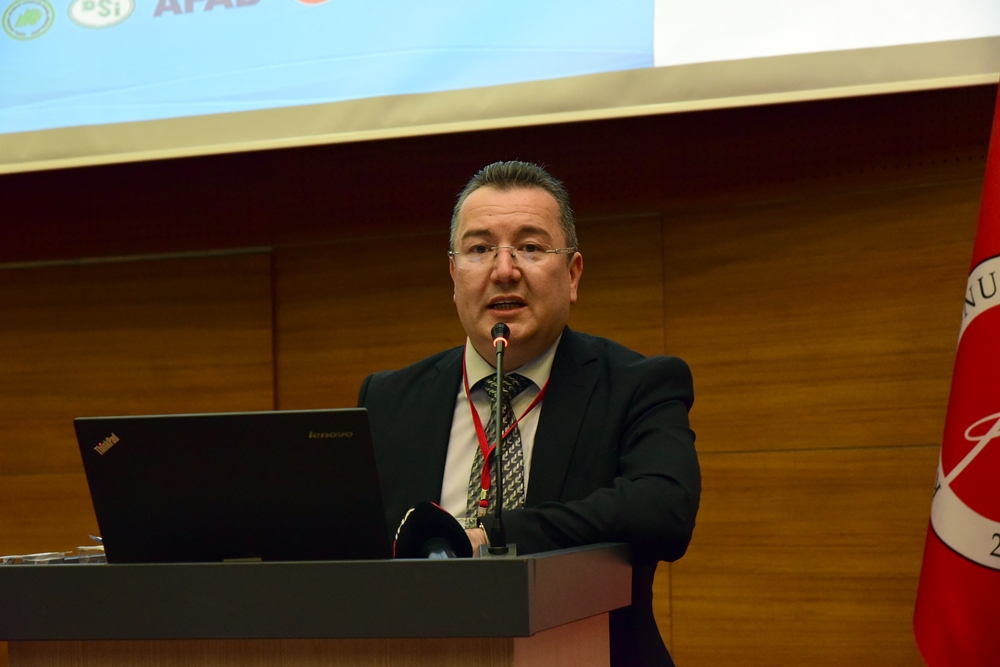
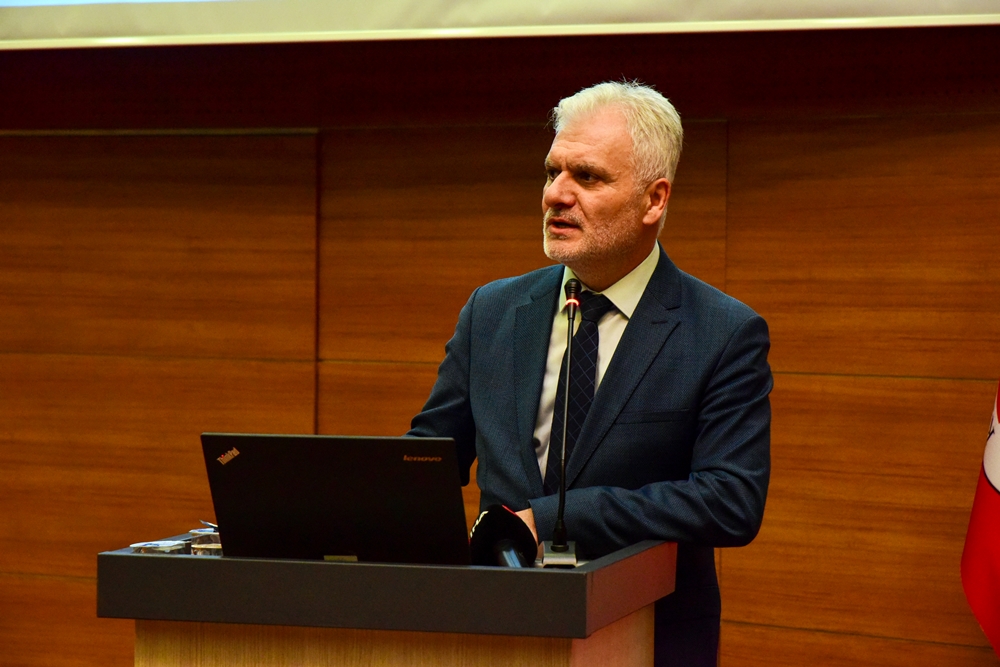
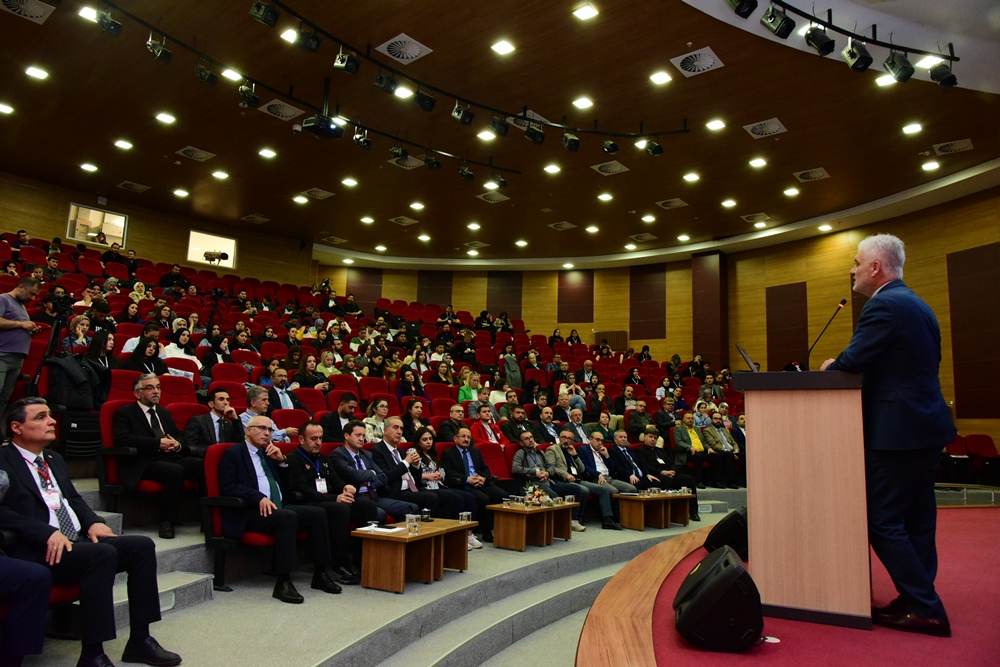
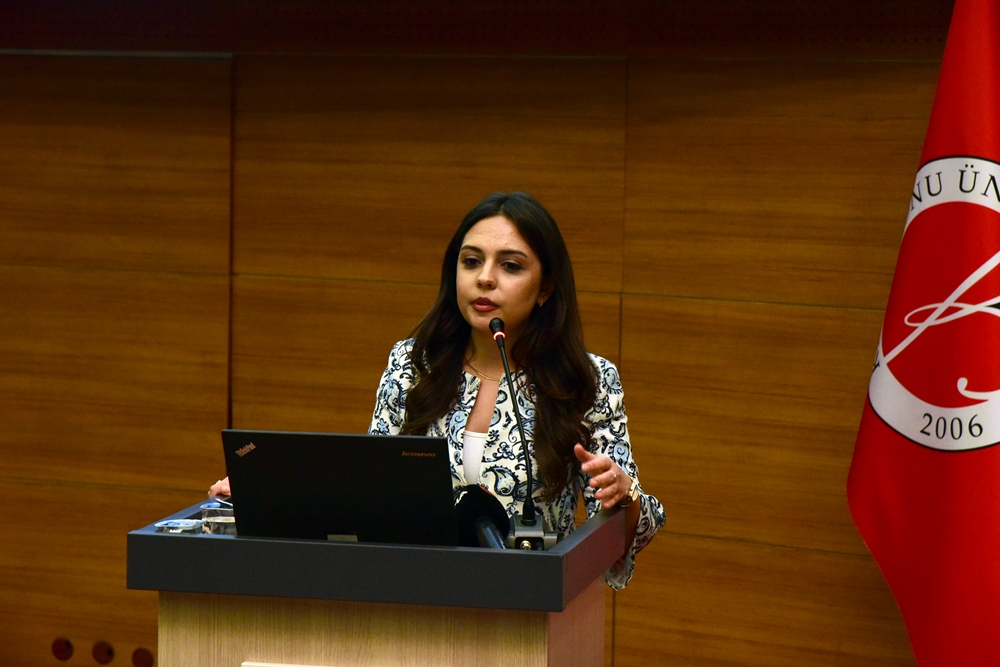
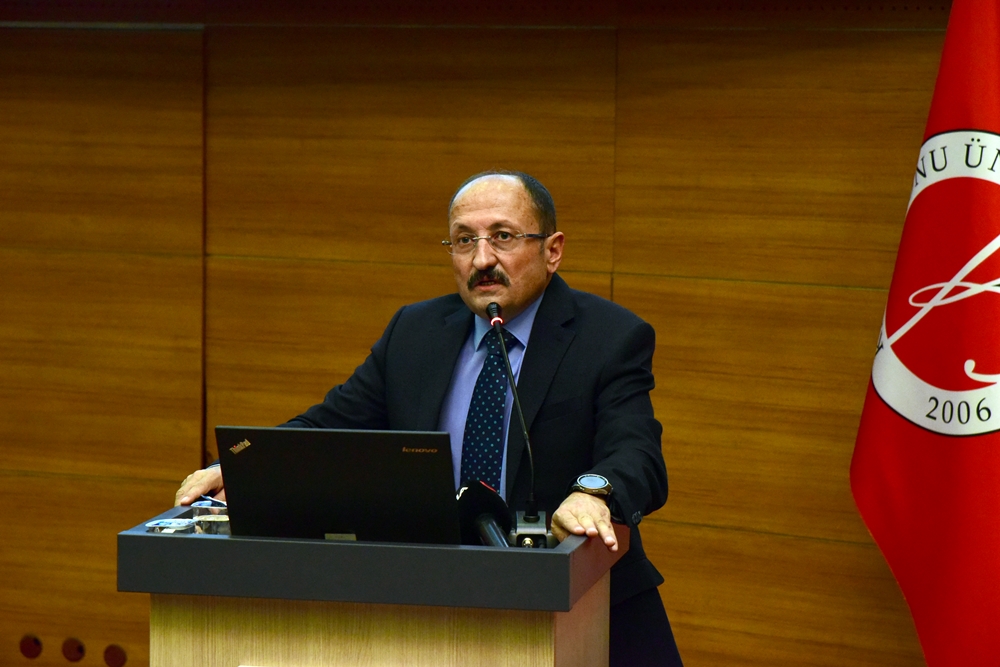
The workshop titled "Urban Resilience Against Hydrometeorological Disasters," organized by Kastamonu University's Inland Water and Sea Fish Production Application and Research Center from May 14-16, 2025, began with an opening ceremony held in the Sezai Karakoç Hall of the Central Library. The workshop, organized with the aim of creating disaster-resilient cities, brings together scientists, experts, and representatives of relevant institutions. The three-day event aims to provide scientific and technical contributions towards the development of more resilient structures and systems against hydrometeorological disasters that may occur in urban areas.
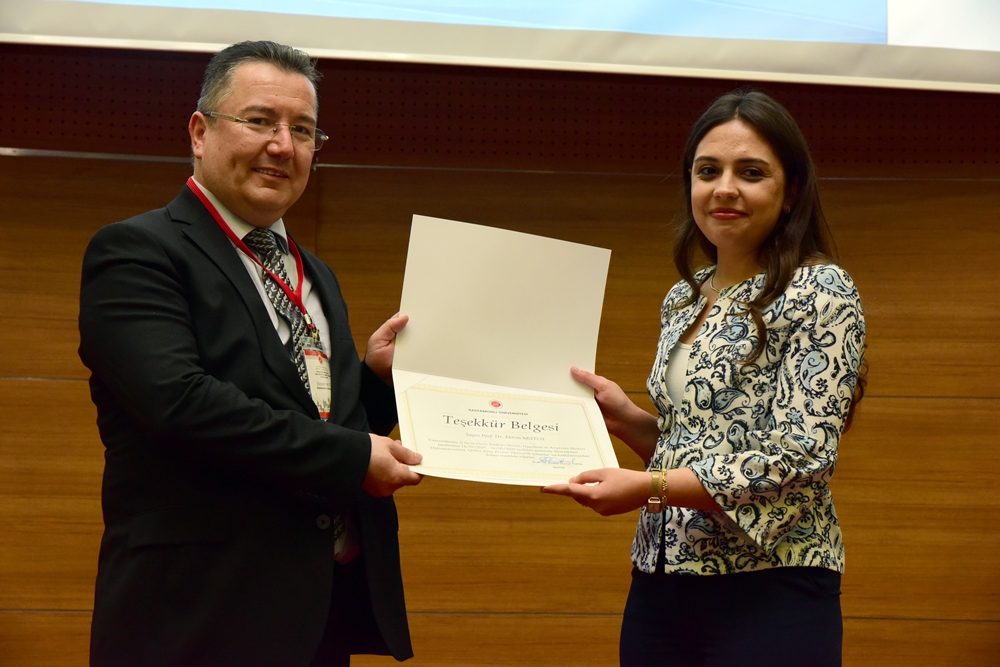
The first speaker, Prof. Dr. Ekrem Mutlu, Director of the Inland Water and Sea Fish Production Application and Research Center and Head of the Geography Department, stated that the workshop aimed to bring together scientific, technical, and local knowledge to reduce disaster risks. Emphasizing the importance of establishing a strong bridge between scientific knowledge and disaster management in line with the university's research mission, Prof. Dr. Mutlu highlighted that the workshop would discuss ways to build more resilient structures by learning lessons from the floods and landslides experienced in the Black Sea Region recently.
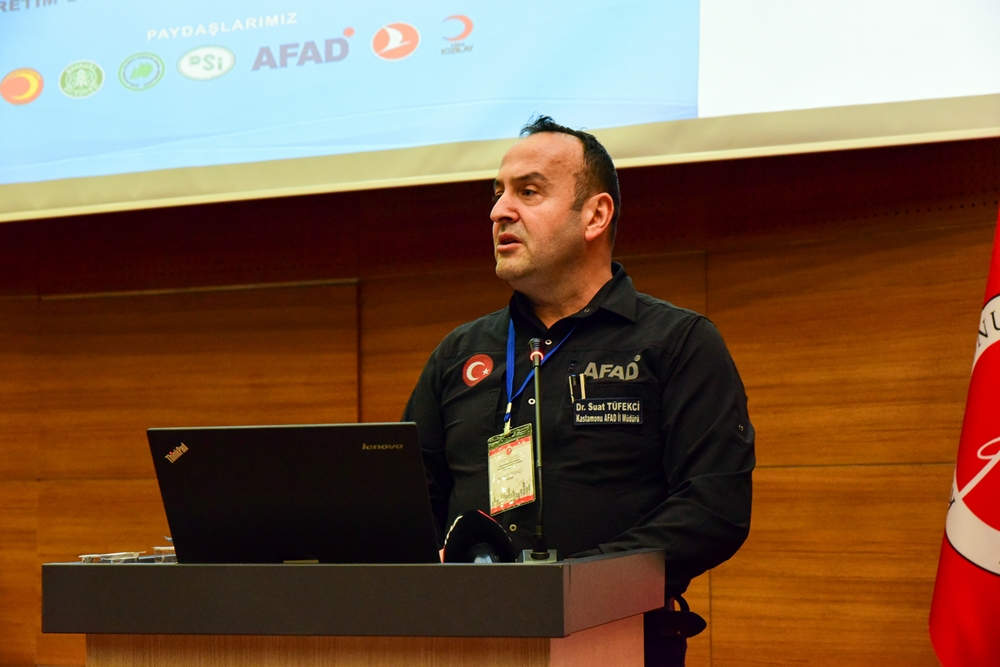
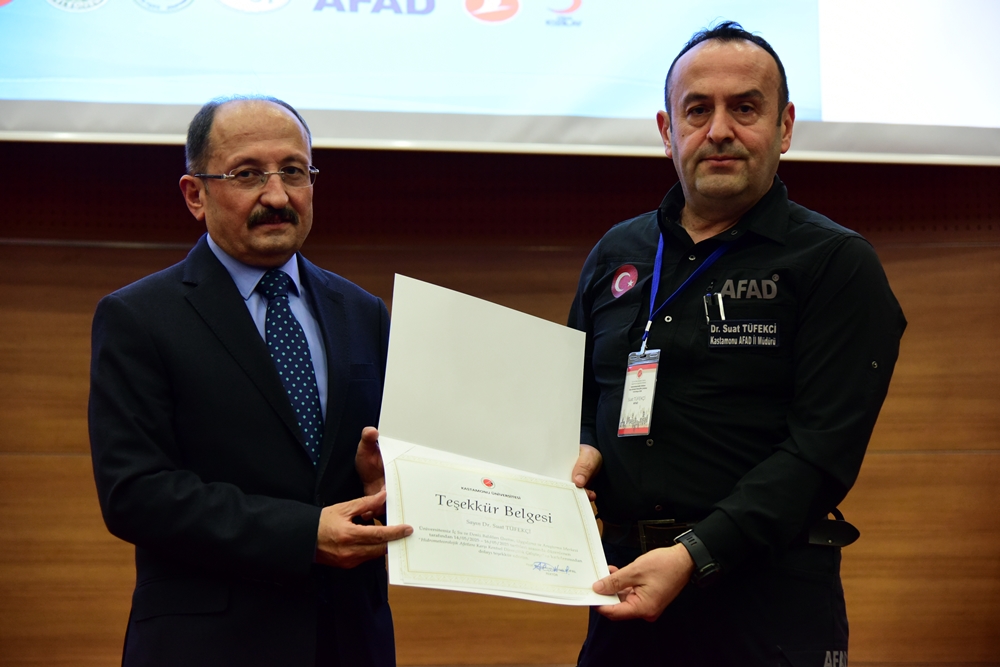
AFAD Provincial Director Dr. Suat Tüfekçi emphasized that cities are among the most vulnerable areas to the effects of climate change, stating that dense populations, inadequate infrastructure, and excessive use of natural resources leave them defenseless. Stating that urban resilience can offer solutions to these problems, Tüfekçi said, "From individuals to public administrators, from academics to urban planners, everyone should be an active part of this process." "For this purpose, we will build resilient cities for the generations of tomorrow, and we will live in resilient cities," he said.
Vice-Rector Prof. Dr. Ömer Küçük stated that climate change is no longer a distant threat, but a reality at the center of life. Stating that disasters such as floods, inundations, storms, droughts, and landslides are affecting Turkey more and more each day, Prof. Dr. Küçük said, "Valuable academics from all over Turkey have come together here to share their knowledge, experiences, and visions." "This national collaboration will provide a multidimensional perspective on solution proposals," he said.
"We must build cities in harmony with nature"
Kastamonu Deputy Mayor Eda Büyükdemirci stated that Kastamonu Municipality values every kind of academic and technical collaboration that will contribute to the city, and thanked the academic and administrative staff who contributed to the realization of the workshop.
Deputy Governor Aydın Ergün, in his speech, stated that the inability of cities to adapt to nature due to climate change and increasing population in the 21st century has paved the way for many disasters. Emphasizing that we should focus not only on intervention but also on being prepared for disasters in advance, minimizing risks, and building resilient cities, Ergün said, "I would like to thank all the stakeholders, especially our university, who contributed to the organization of the workshop." "I hope that the information, suggestions, and policies that emerge from here will be beneficial to our province and our country," he stated.
The first day concluded with scientific presentations.
Continuing the program, Prof. Dr. Ali Ümran Kömüşcü, a faculty member at Ankara Hacı Bayram Veli University, delivered a presentation titled "Causes of Climate Change and Its Impact on the Western Black Sea." Then, Prof. Dr. Hüseyin Turoğlu from Istanbul University shared his study titled "Bozkurt (Kastamonu) from the Perspective of Resilience Against Flood and Inundation Hazards" with the participants.
On the second day of the workshop, technical presentations and urban resilience sessions will be held in the Cemil Meriç Hall; strategic approaches to disasters will be discussed in detail.
On the last day of the event, May 16, participants will conduct on-site examinations in the disaster areas of the Bozkurt-Abana region, which was the scene of a major flood disaster in 2021, as part of a technical tour.