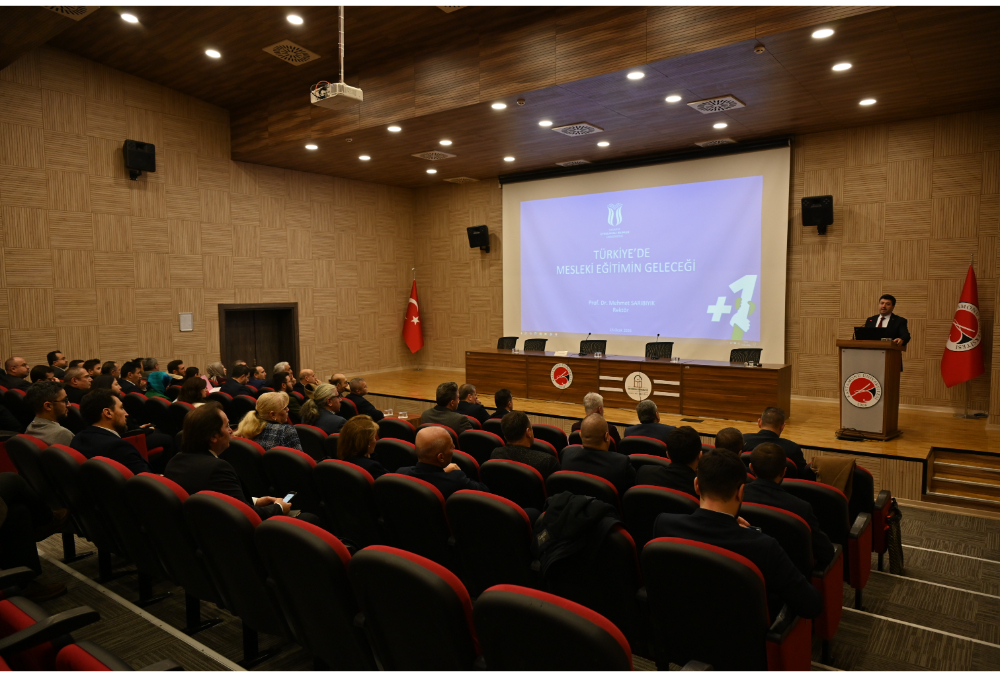
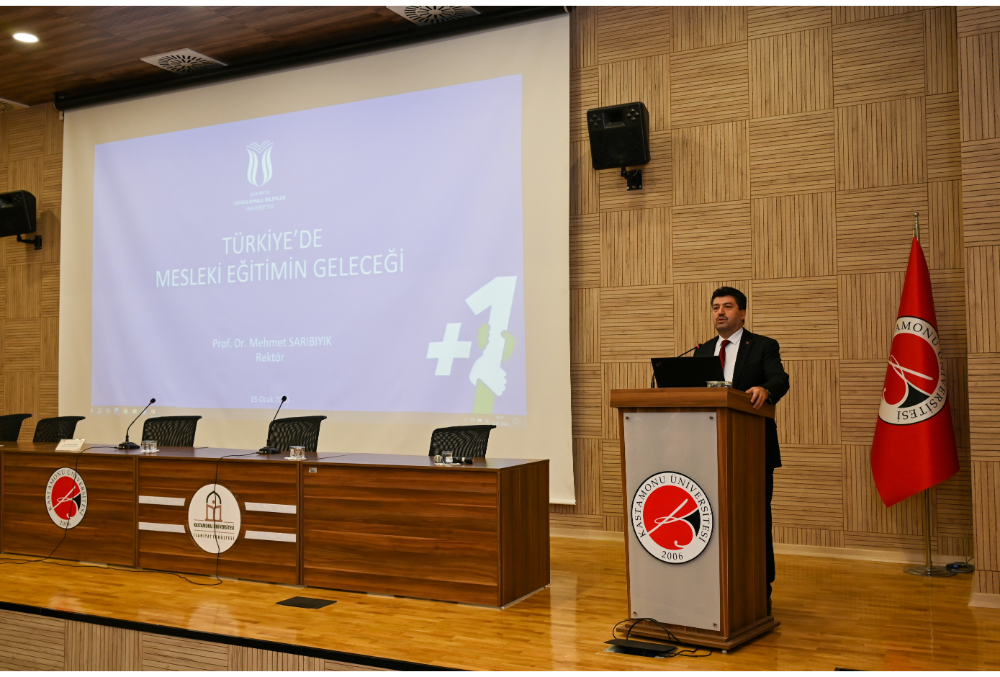
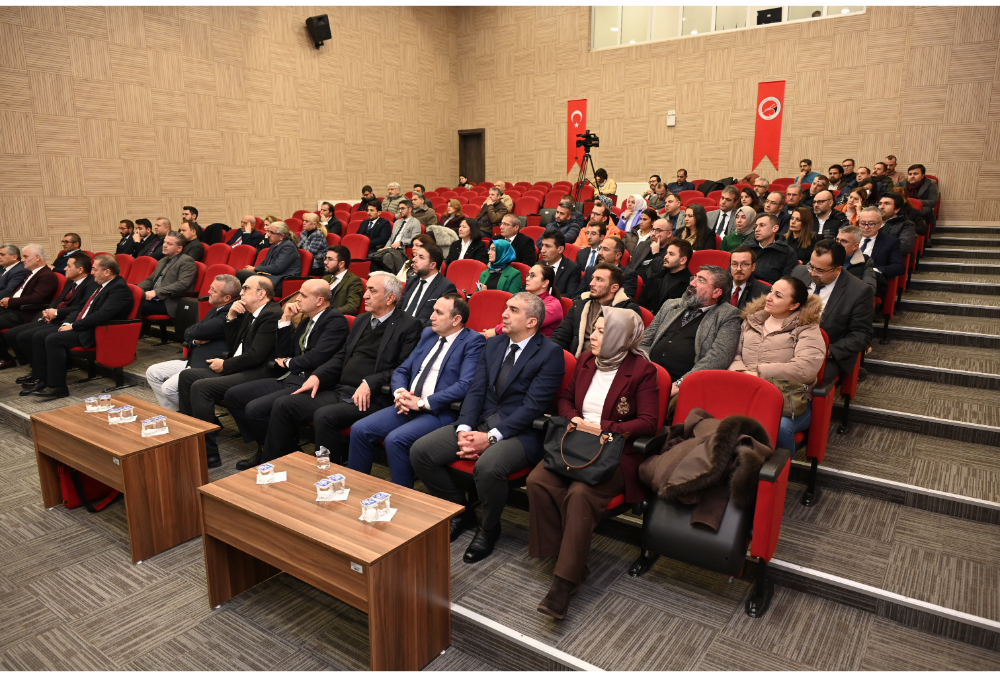
At Kastamonu University, the MEDEK Accreditation Certificate Presentation and the "1+ Applied Education Model in Vocational Education" program were held with the participation of Prof. Dr. Mehmet Sarıbıyık, Rector of Sakarya University of Applied Sciences and Chairman of the MEDEK Board of Directors.
Prior to the program held on January 15, 2026, at the Faculty of Theology Conference Hall, Prof. Dr. Mehmet Sarıbıyık, Rector of Sakarya University of Applied Sciences and Chairman of the MEDEK Board of Directors, visited our Rector, Prof. Dr. Ahmet Hamdi Topal, in his office. During the visit, assessments were made on quality assurance in vocational education, university-industry integration, and application-based training models.
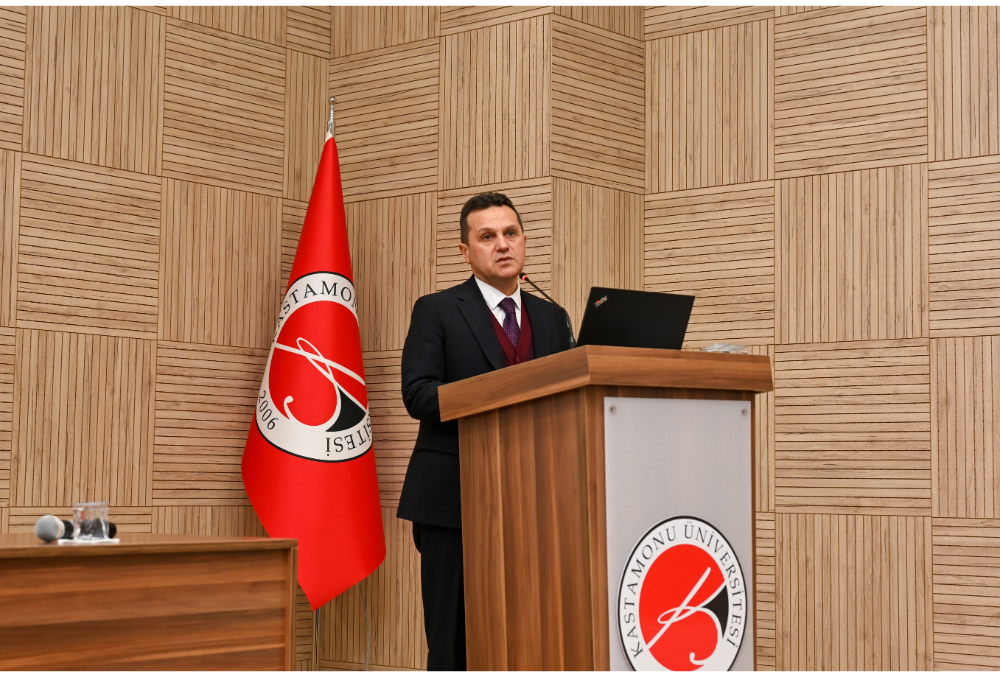
Following the visit, the program began with an opening speech by our Rector, Prof. Dr. Ahmet Hamdi Topal. In his speech, our Rector emphasized that vocational colleges are one of the important units of universities with their practice-based education approach, ” MEDEK accreditations demonstrate that the educational activities we conduct in our vocational colleges are aligned with national quality standards. "Our goal is not just to obtain documents; it is to increase our students' professional competencies and employability with a continuous improvement mindset," he stated.
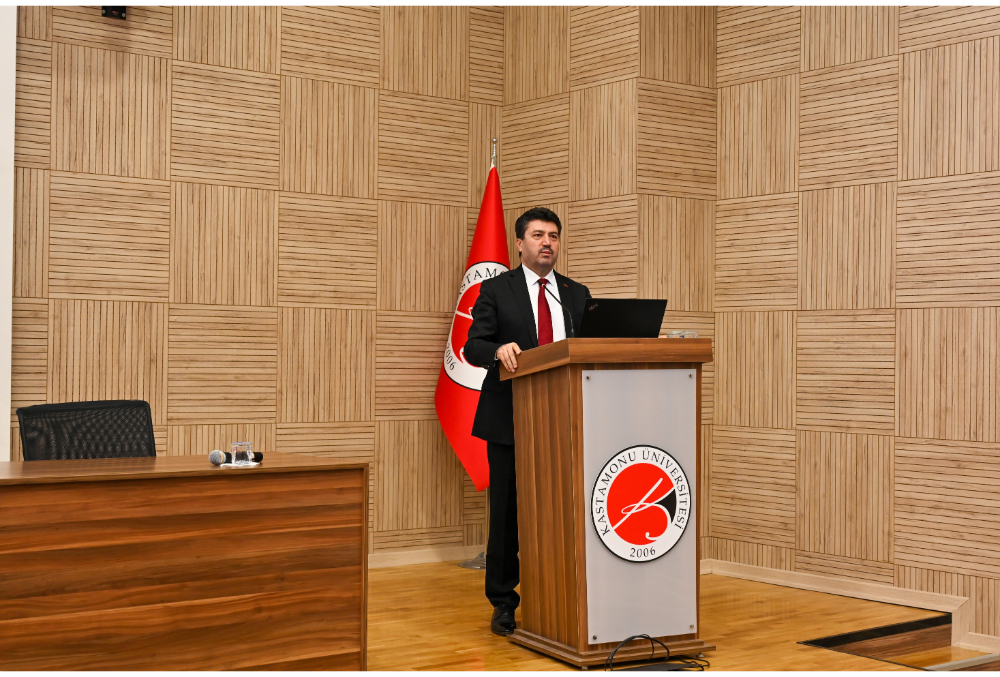
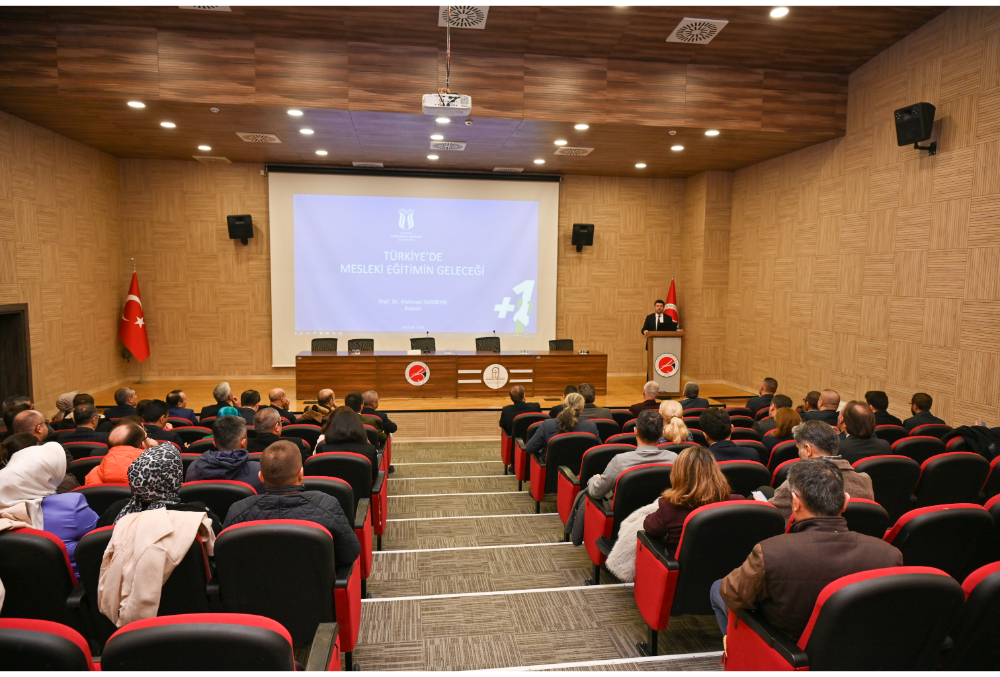
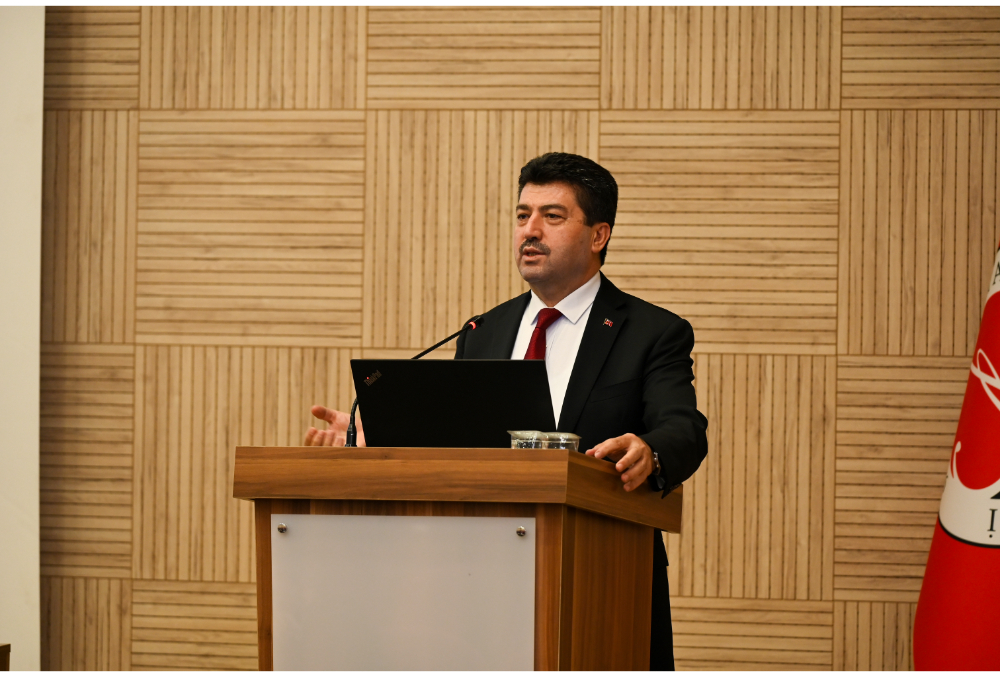
As part of the program, a presentation on the "1+ Practical Training Model in Vocational Education" was later delivered by Prof. Dr. Mehmet Sarıbıyık, Rector of Sakarya University of Applied Sciences and Chairman of the MEDEK Board of Directors. It was stated that the model aims to help students gain practical skills by spending a full semester in the business world.
Prof. Dr. Sarıbıyık's speech emphasized the need for practice-based education in vocational training. He noted that one of the most important benefits of the +1 model for students is acquiring job experience before graduation, noting, "Under typical circumstances, a young person who graduates is confronted with the question 'Do you have experience?' When the student graduates under this approach, they can declare, 'I did these things.' Moreover, he can demonstrate this not just with words, but with the outputs, files, and references he produces," he said.
Stating that, thanks to the model, students quickly adapted to the institutions where they began working, Sarıbıyık said that many students were directly employed at the institutions where they received workplace training, and some were even recommended to other businesses and found jobs. He emphasized that this situation is an extremely valuable gain for the students.
Stating that collaborative studies began with the faculty members going into the field, that the consulting processes developed, and that projects were produced with various supports, especially from TÜBİTAK, Sarıbıyık said, "Most importantly, the faculty members' course content is starting to change. When you go out on the field, you can clearly see that some of the things you've been told are no longer relevant. "The answer to the question 'What has changed in the world, what's happening on the field?' is starting to be reflected in the lecture notes," he said.
In this process, Prof. Dr. Sarıbıyık also pointed out the areas of resistance created by rules and habits, emphasizing that progress is impossible with a closed-minded approach. He stated that universities should exist not with individuals, but with accurate and up-to-date information.
Touching on infrastructure, Sarıbıyık noted that universities have limited technological capabilities, but through collaborations with the business world, students and faculty can access the most up-to-date technologies. He stated that this situation offers significant gains for both universities and the business world.
Stating that the aim is to further expand cooperation, Prof. Dr. Sarıbıyık concluded his speech with the following words: How do we define the education model that centers on R&D? We are now approaching the concept of university-industry collaboration from a broader perspective. Because it's not just about industry; we're talking about a university model integrated with the business world, encompassing health, services, and all other sectors.
In this regard, in our current practice, we aim to have students in all our units, except the gastronomy department, receive full-time workplace training for a semester. In fact, in our current study, we plan to implement this process in two phases. So, we envision spending the entire duration of a classic period, full-time, in workplace training.
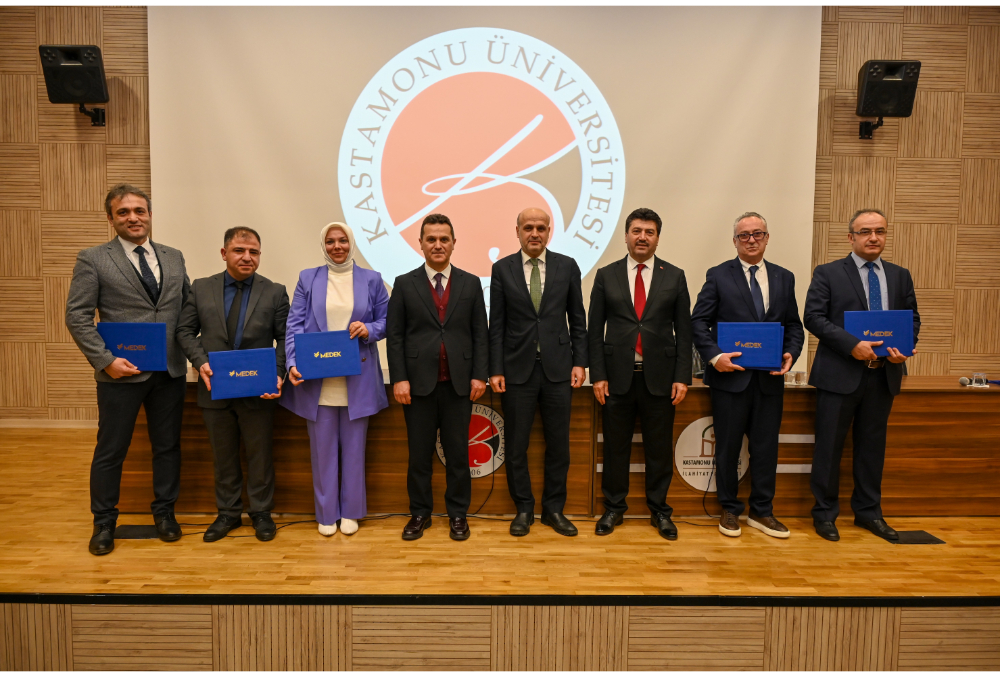
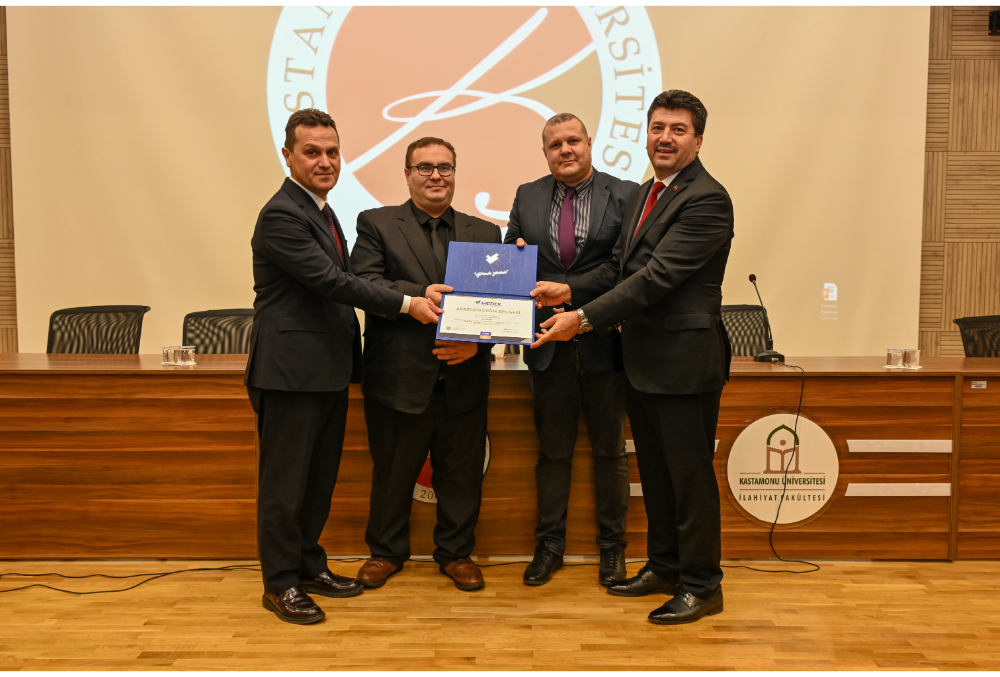
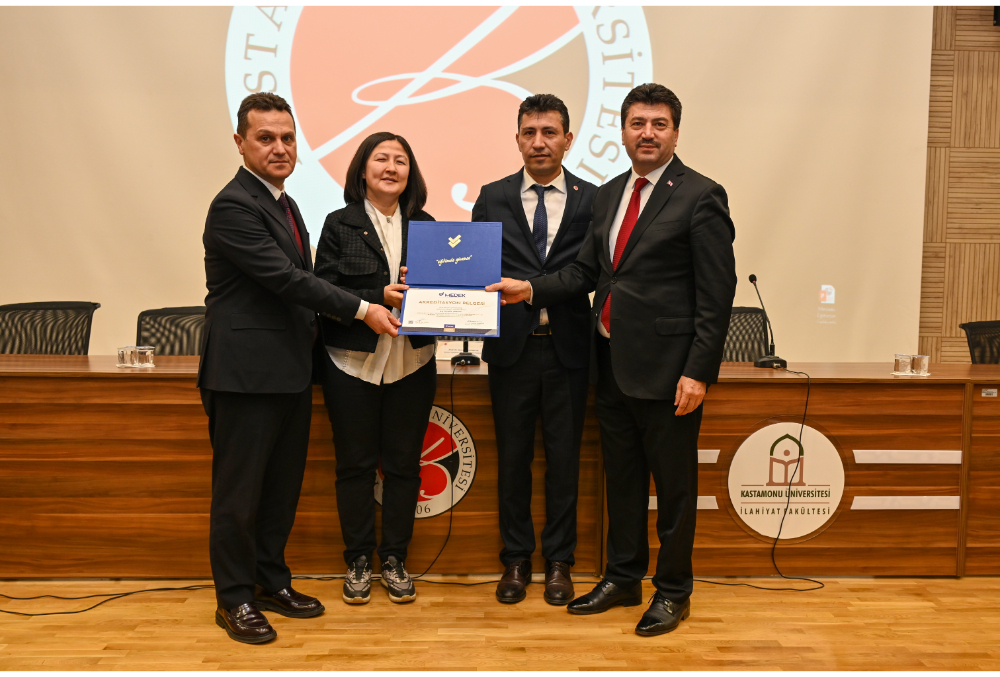
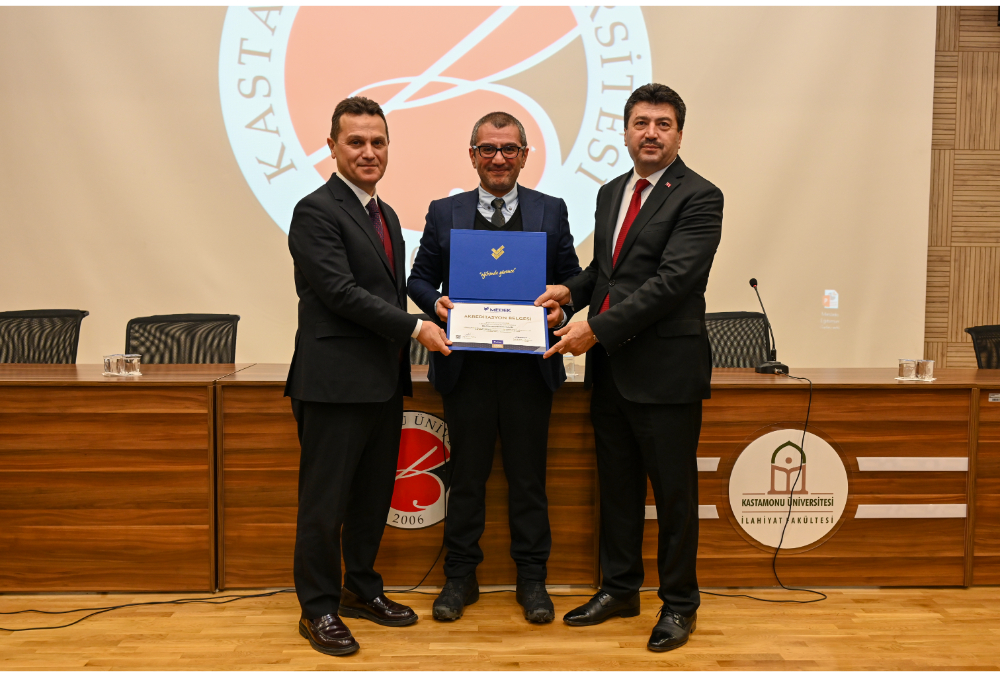
Following the program, MEDEK Accreditation Certificates were presented to the programs at the Tosya, Taşköprü, Cide Rıfat Ilgaz, and Kastamonu Vocational Schools that were accredited by the Vocational Education Evaluation and Accreditation Association (MEDEK) and were eligible for full or conditional accreditation.
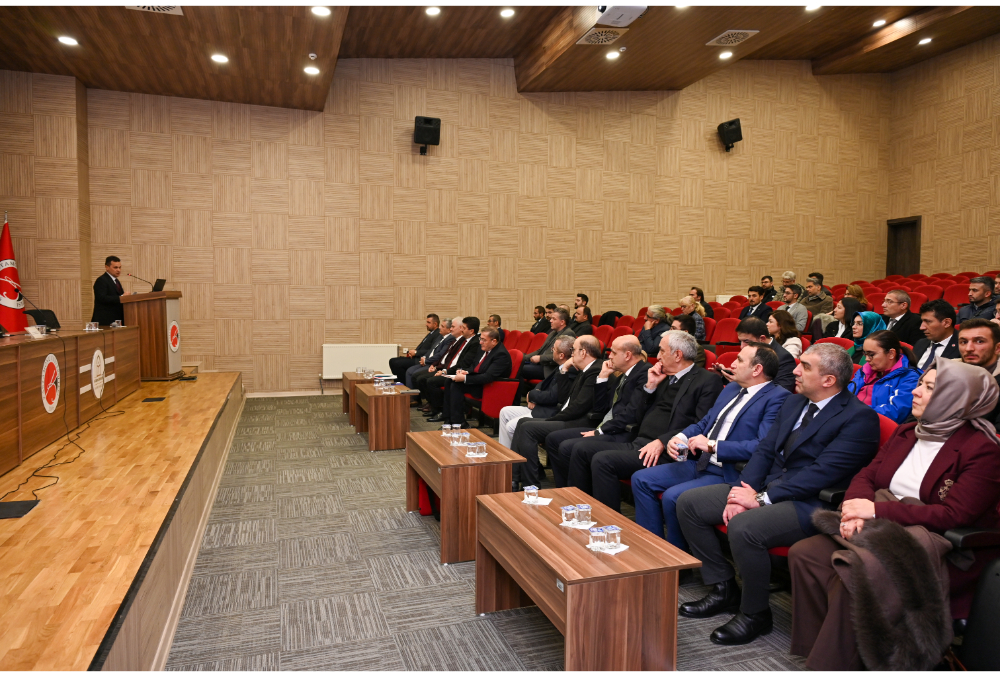
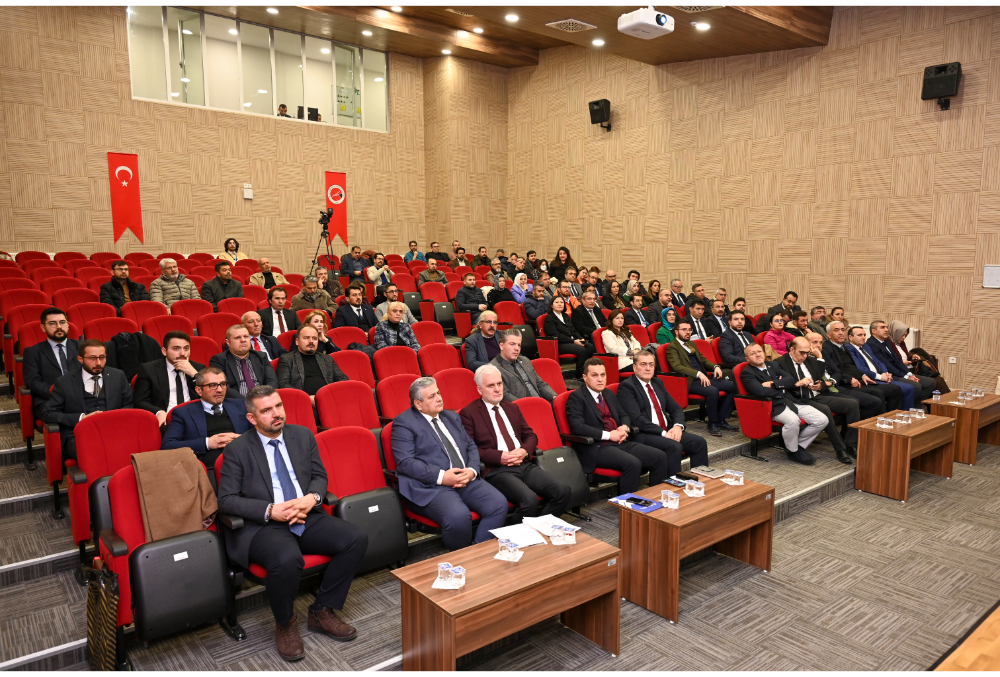
The program was attended by our Rector, Prof. Dr. Ahmet Hamdi Topal; the Rector of Sakarya Applied Sciences University and Chairman of the MEDEK Board of Directors, Prof. Dr. Mehmet Sarıbıyık; Vice Rectors, Prof. Dr. Ömer Küçük and Prof. Dr. Mehmet Atalan; faculty deans; vocational school directors; and academic staff.
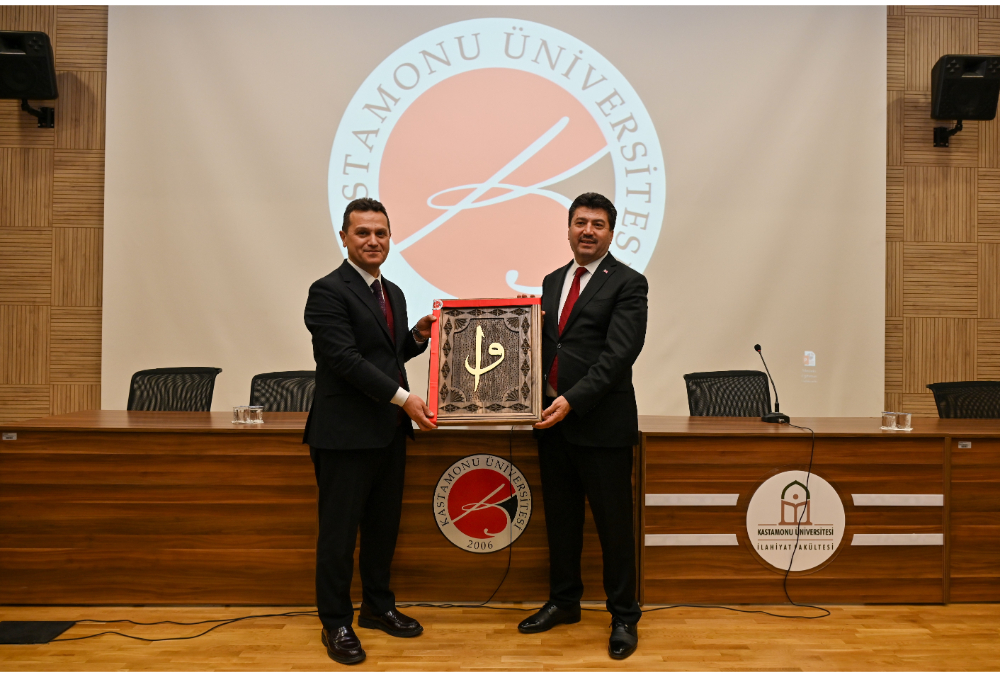
The program concluded after the gift presentation and photo session.