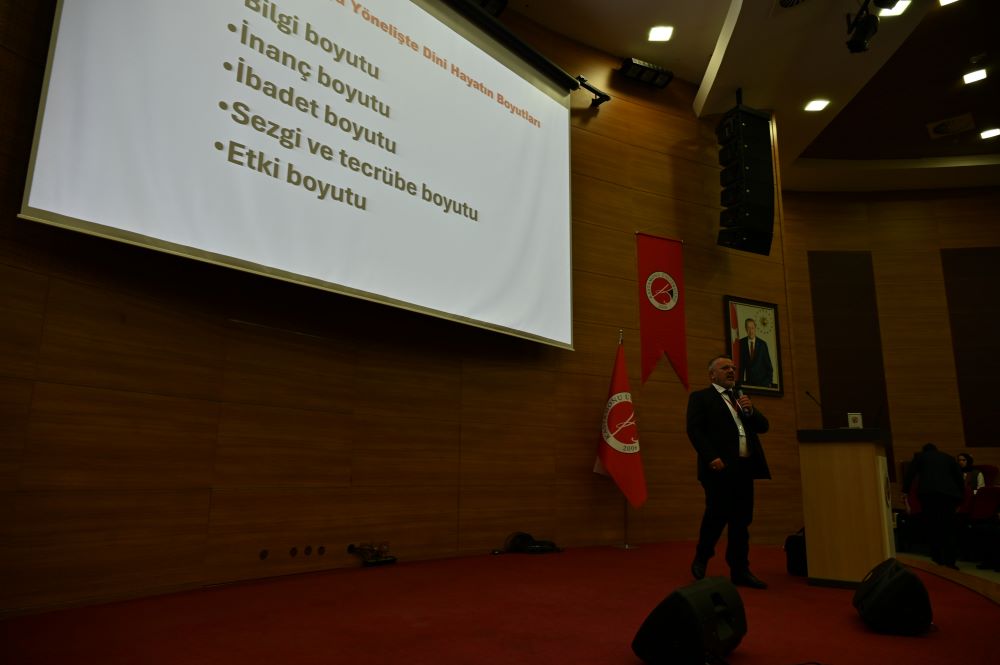
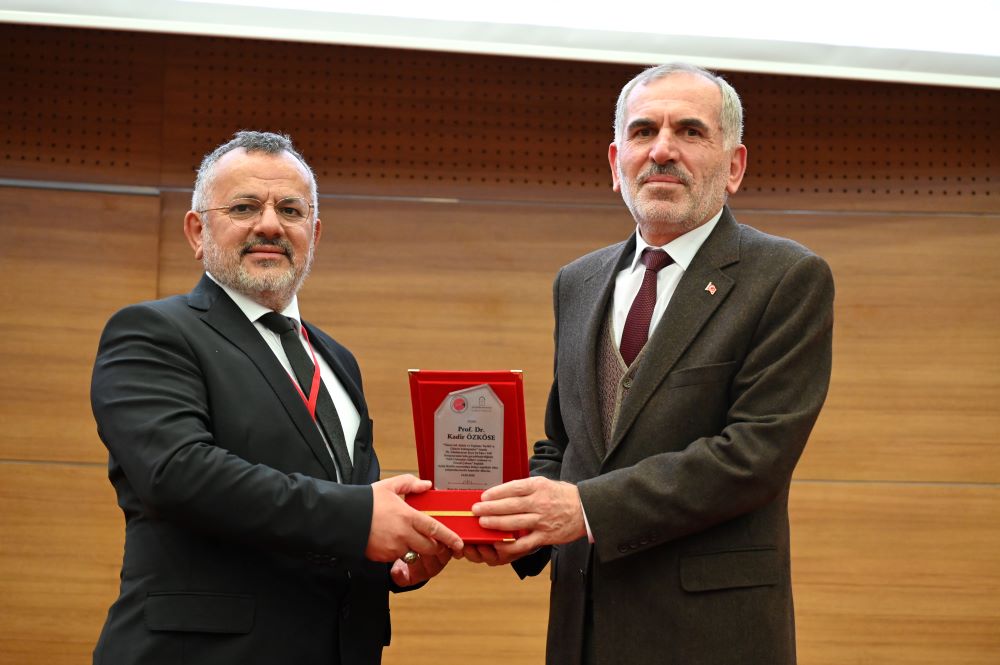
The IX International Sheik Shaban-i Veli Symposium, organized by the Faculty of Theology at Kastamonu University on May 14-15, 2026, is being held under the theme "Sufism, Morality, and Society: Historical and Contemporary Approaches."
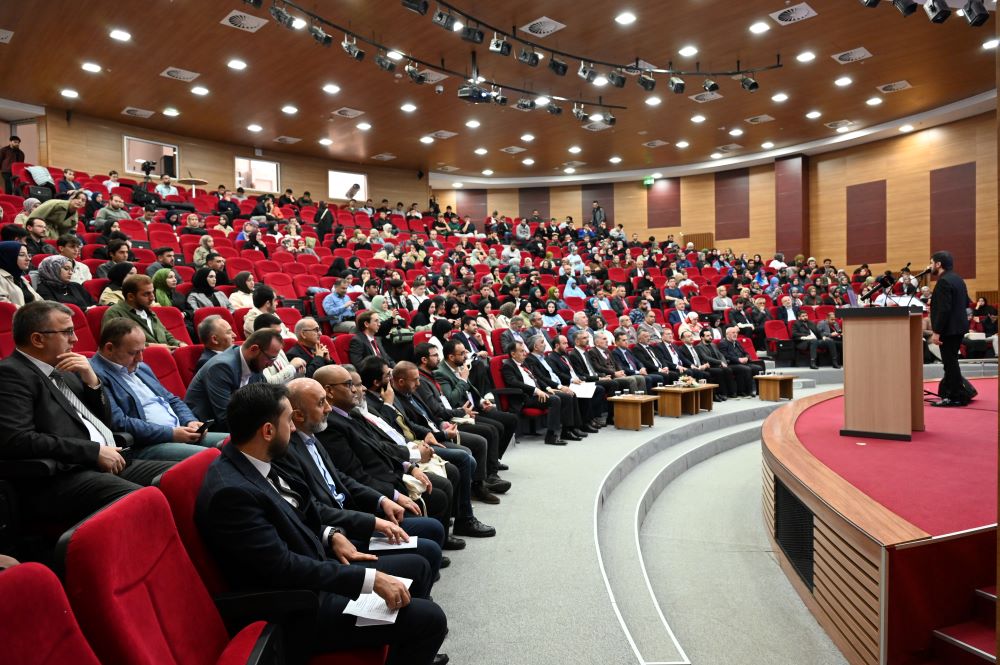
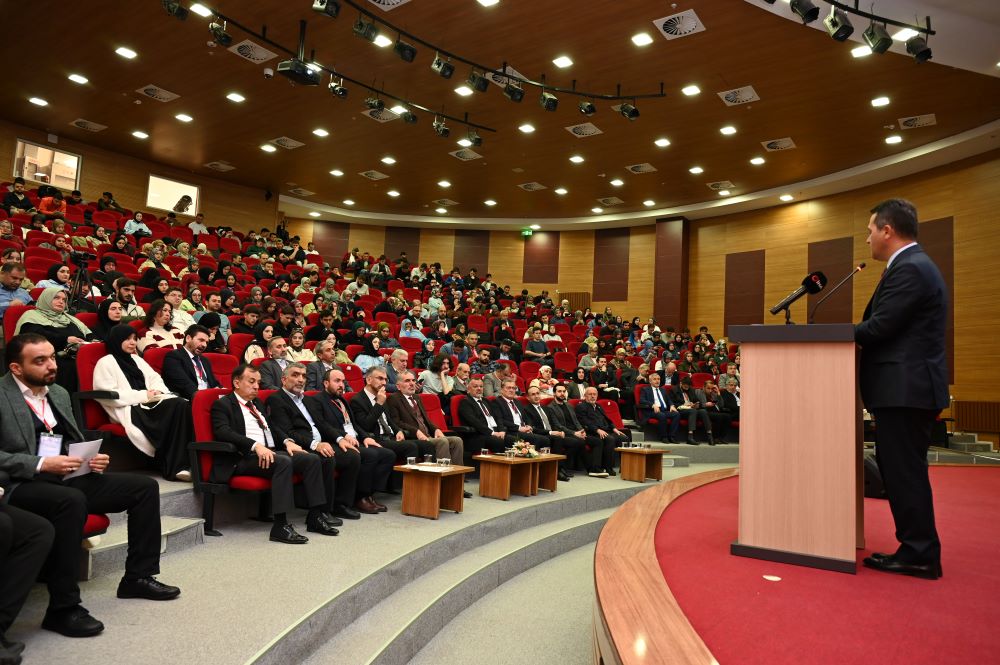
The symposium's opening program, aimed at promoting academic studies in Sufism and ethics and raising public awareness, was held on May 14, 2026, in the Sezai Karakoç Hall of the Central Library.
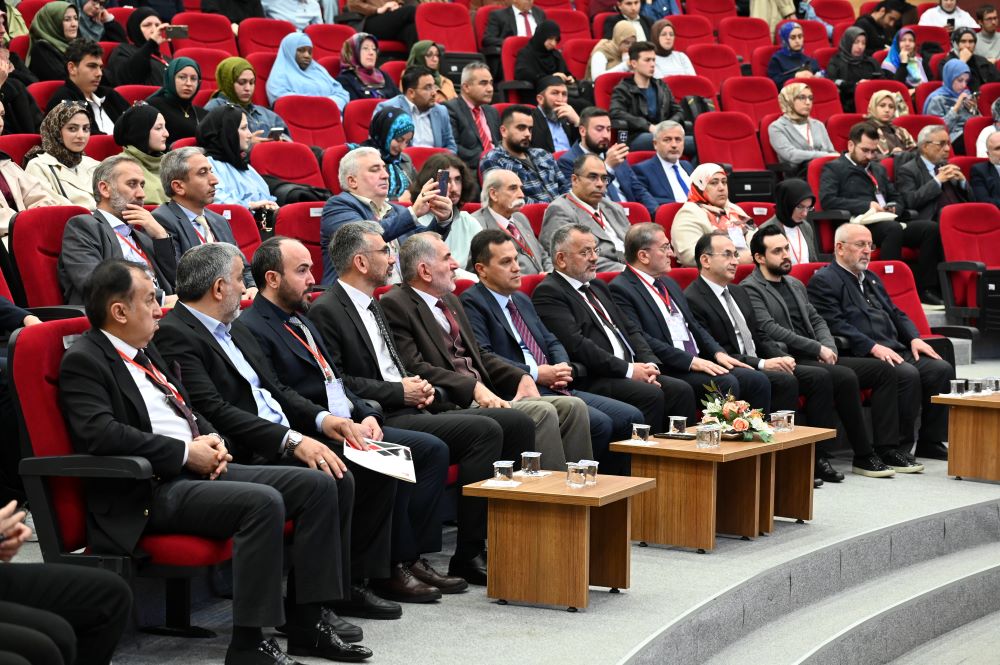
The program was attended by our Rector, Prof. Dr. Ahmet Hamdi Topal; Vice Rectors, Prof. Dr. Mehmet Atalan and Kastamonu Provincial Mufti Bekir Derin; as well as representatives from public institutions and organizations, non-governmental organizations, academics, students, and guests.
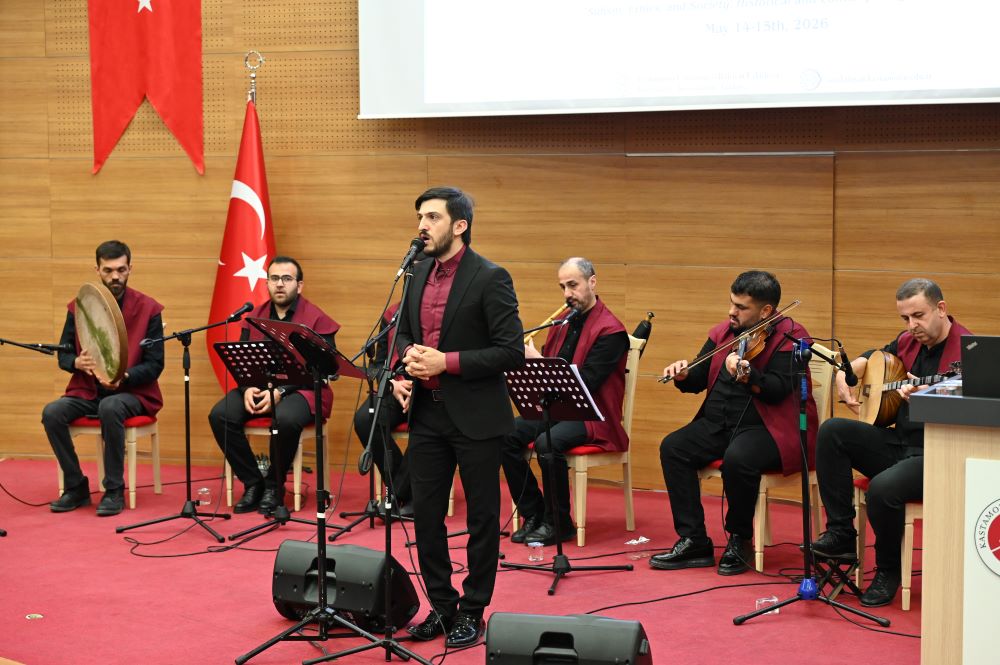
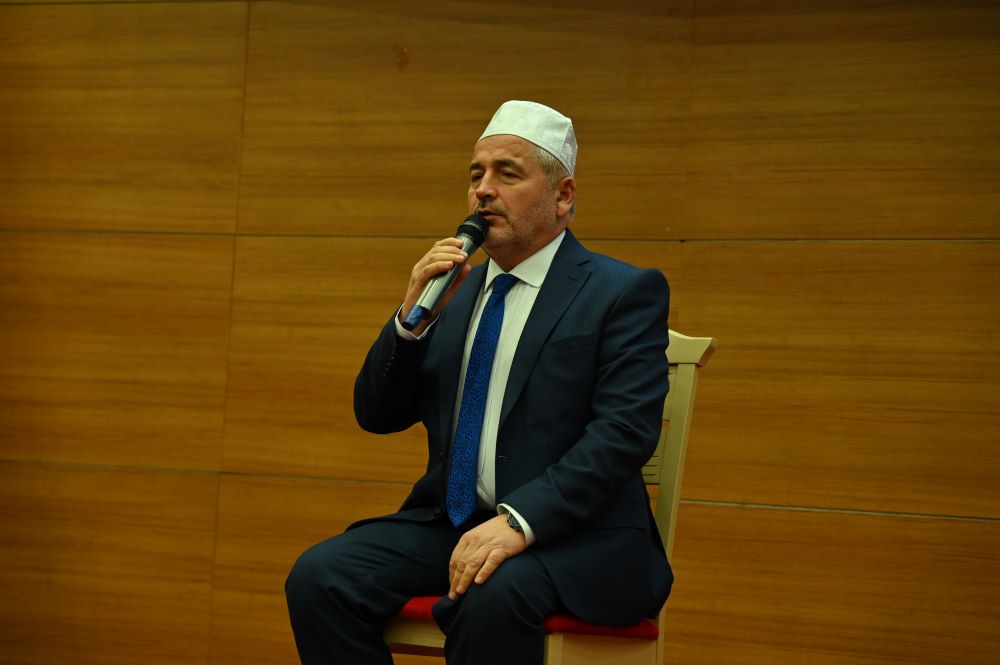
The event began with a performance of Turkish Sufi Music by Muhammed Feyzi İbrahimoğlu and his team. Then, Hafız Kahraman Şekercioğlu, the Chief Imam of Nasrullah Kadı Mosque, recited the Quran.
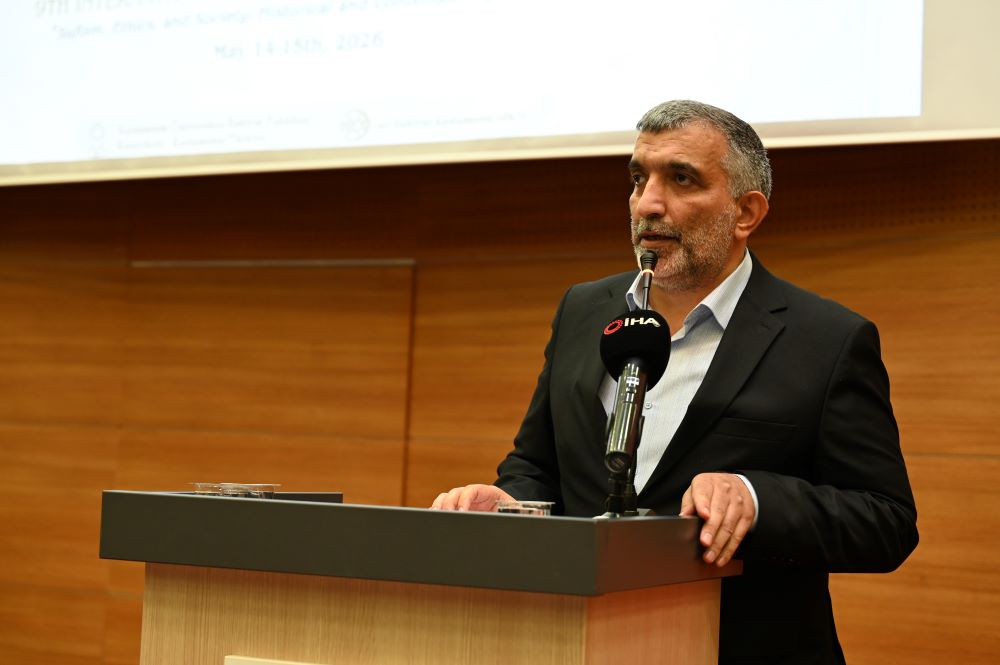
In his opening speech at the symposium, Symposium President Assoc. Prof. Dr. Eyyup Akdağ stated that approximately 100 papers were accepted for this year's symposium and expressed that interest in the organization has been increasing every year. Stating that Sufism is defined by concepts such as good morals, piety, self-discipline, and the purification of the heart, Assoc. Prof. Dr. Akdağ said that at the core of this understanding lies the human effort to draw closer to God and the consciousness of servitude.
Assoc. Prof. Dr. Akdağ said in his speech, "The path of Sufism is an educational approach based on sincerity and piety, far from ostentation." It is based on the premise of training the human ego and protecting the tongue, eyes, hands, and all behaviors from evil. "This understanding, which centers on good morals and love, aims for the individual to establish a healthy relationship with themselves, society, and their Lord.”
Stating that humanity is facing serious spiritual problems despite the material opportunities offered by the modern world, Akdağ said, "Modern life, shaped by speed, consumption, and loneliness, cannot fully meet the inner peace of a person." At this point, we believe that Sufism offers an important perspective to today's people with its understanding of self-accountability, love, compassion, sharing, and service."
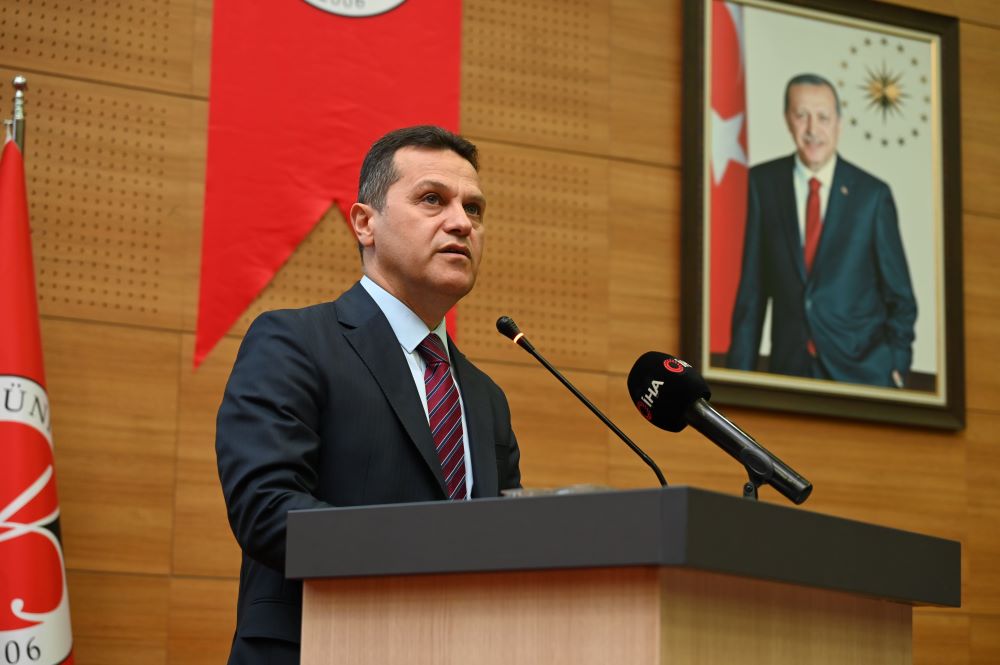
Following him, our Rector Prof. Dr. Ahmet Hamdi Topal stated that Sufism is a system of thot that addresses both the outward and inward aspects of Islam, evaluating knowledge and ethics, theory and practice in a holistic manner. Our Rector, stating that the excessive interpretations, ignorance, and abuses that have emerged under the name of Sufism have led to a misunderstanding of this tradition, expressed that the essence of Sufism is the effort to emulate the morality of the Prophet Muhammad.
In his speech, our Rector stated, "Sufism is the effort to closely know the Prophet Muhammad, who is the most beautiful example for us, and to live our religion in accordance with its essence and spirit by taking His personality and morality as an example."
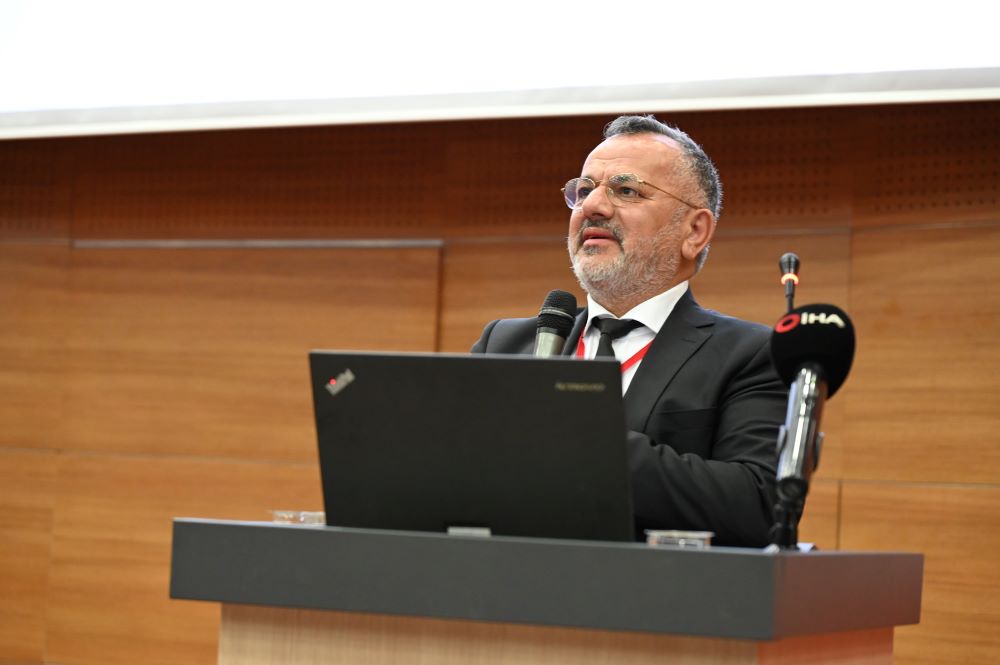
The opening conference of the symposium was conducted by Prof. Dr. Kadir Özköse. In his speech, Prof. Dr. Özköse emphasized that Sufism is a quest for truth intertwined with art, civilization, culture, ethics, and wisdom, and stated that It is a field within Islamic sciences embraced by some circles and criticized by others. He stated that Sufism is a discipline that aims to understand unity not only through theoretical knowledge but also through inspiration, discovery, and wisdom.
Stating that Sufism does not mean only distancing oneself from the world, Prof. Dr. Özköse said that the essence is for a person to carry the peace they find in their inner world into the outer world and contribute to social peace and well-being. Noting that the Sufis centered on the aspect of Hz. Muhammad, who especially purifies and disciplines people, Prof. Dr. Özköse emphasized that Sufism is more of an experiential field learned through living rather than a theoretical one.
In his speech, Prof. Dr. Özköse also touched on the concept of "ihsan," stating that the understanding of "living as if you see Allah," as mentioned in the Hadith of Gabriel, forms the foundation of Sufism's ethical dimension. He stated that Sufism is a way of life based on disciplining the self, purifying the heart, and realizing one's own insignificance in the face of God's greatness.
Drawing on Necmeddin Kübra’s views, Prof. Dr. Özköse explained the concepts of sharia, tariqa, ma'rifa, and haqiqa, likening sharia to the ocean, tariqa to the underwater world, ma'rifa to the captain, and haqiqa to the pearl at the bottom of the ocean. He emphasized that the search for truth would not be healthy without the foundation of sharia.
Touching on the historical development of Sufism, Prof. Dr. Özköse stated that this movement was born as a strong moral reaction against secularization and politicization during the Umayyad period. Prof. Dr. Özköse stated that the common goal of different Sufi paths is not to raise lethargic individuals, but to cultivate elegant, mature, and perfect people.