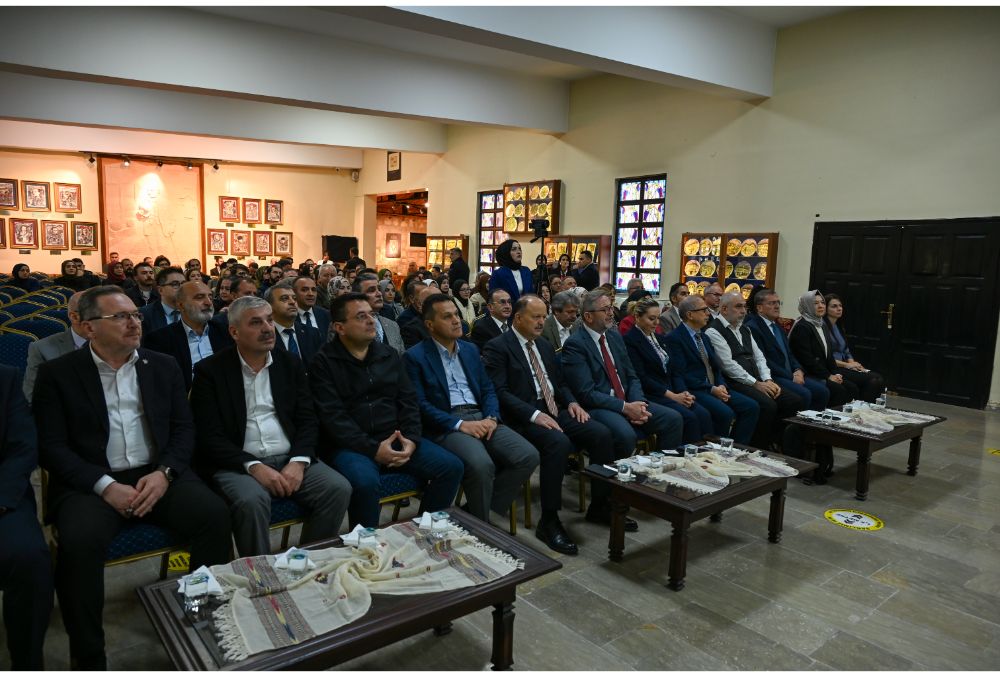
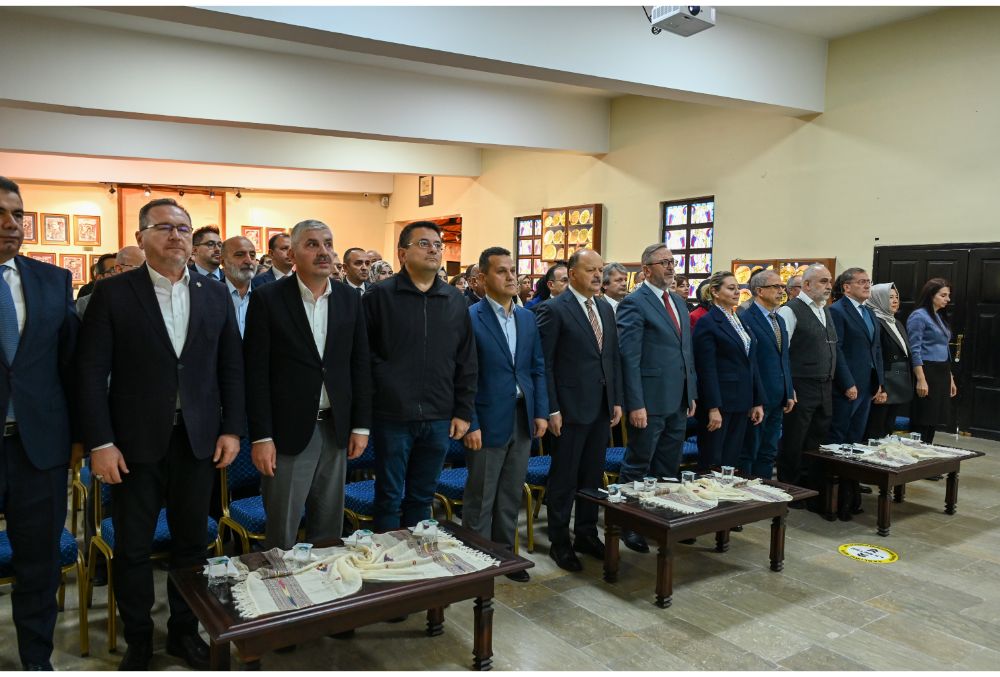
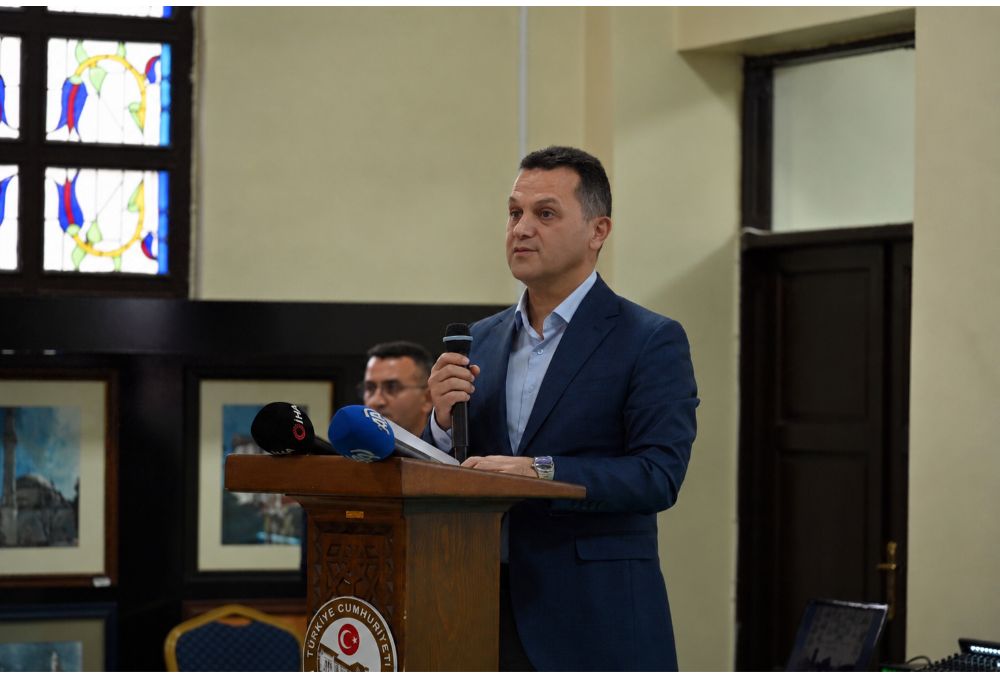
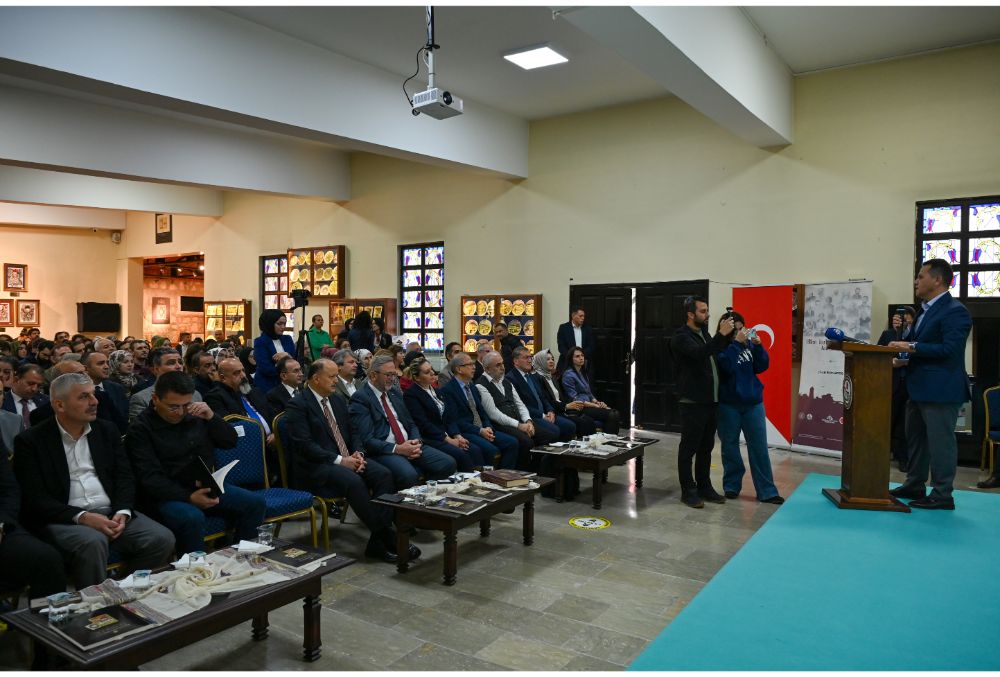
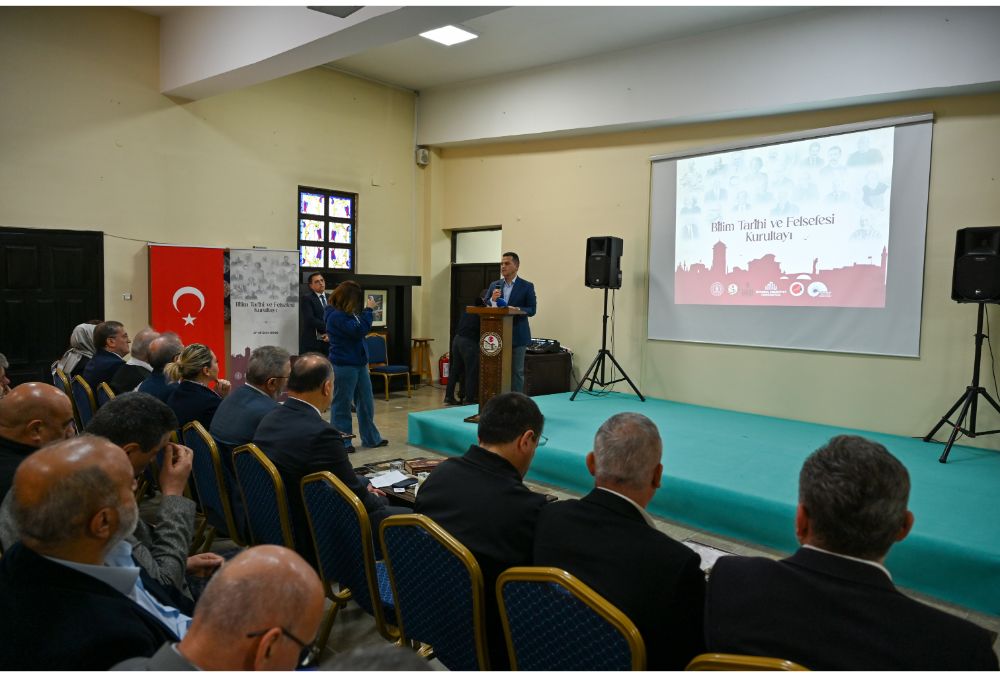
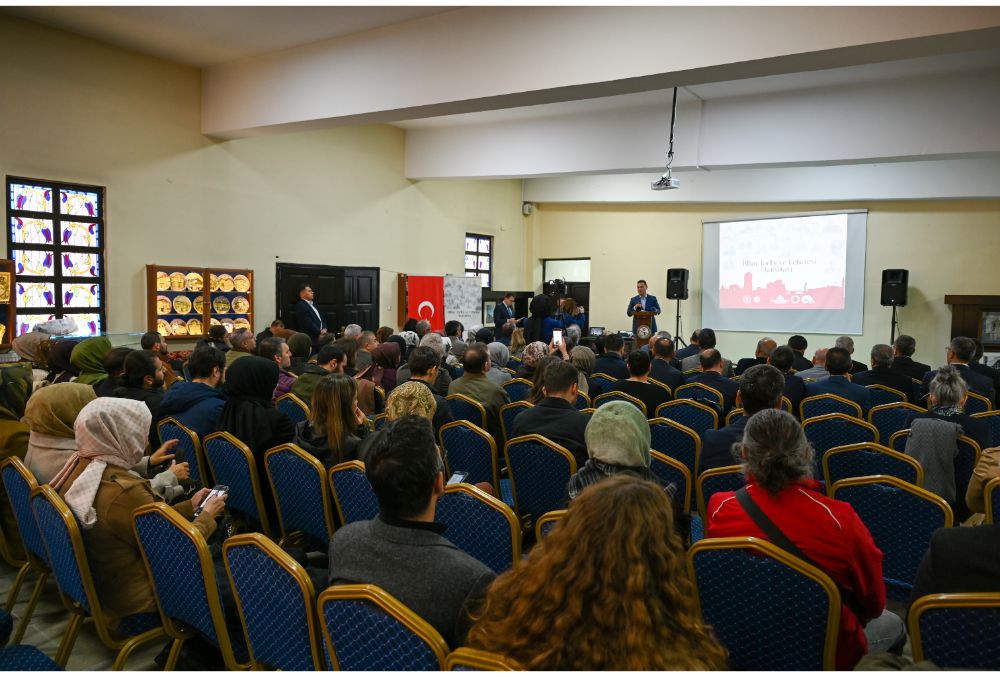
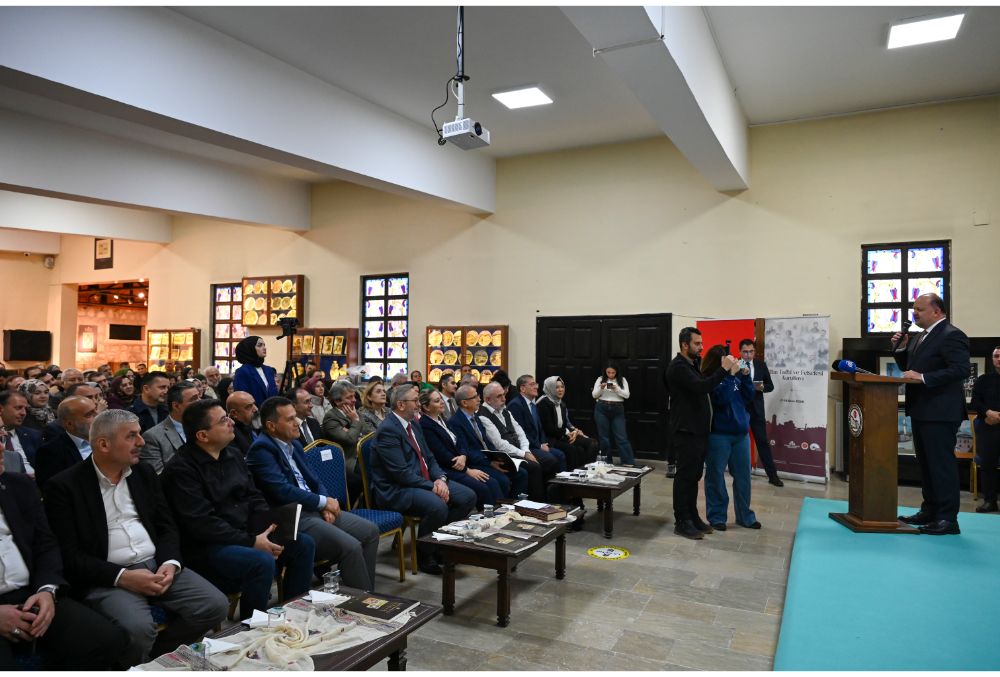
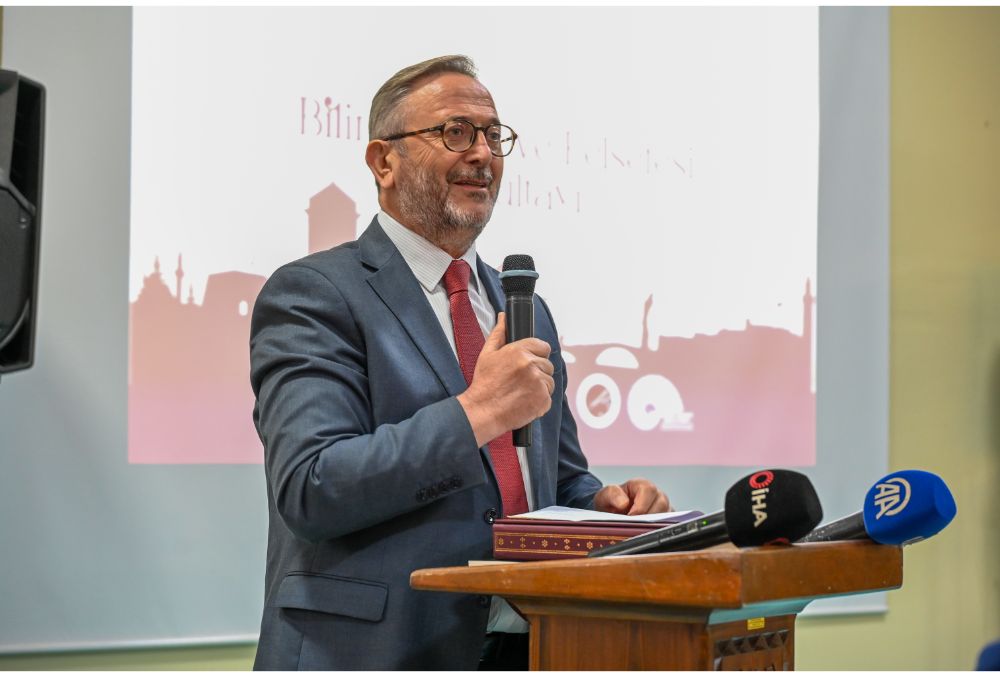
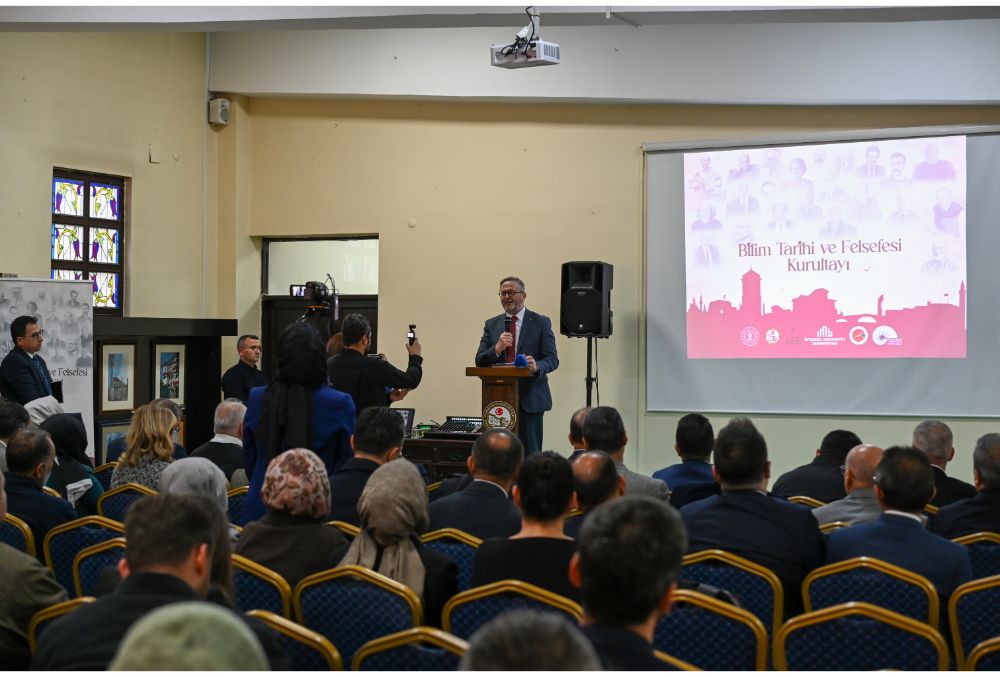
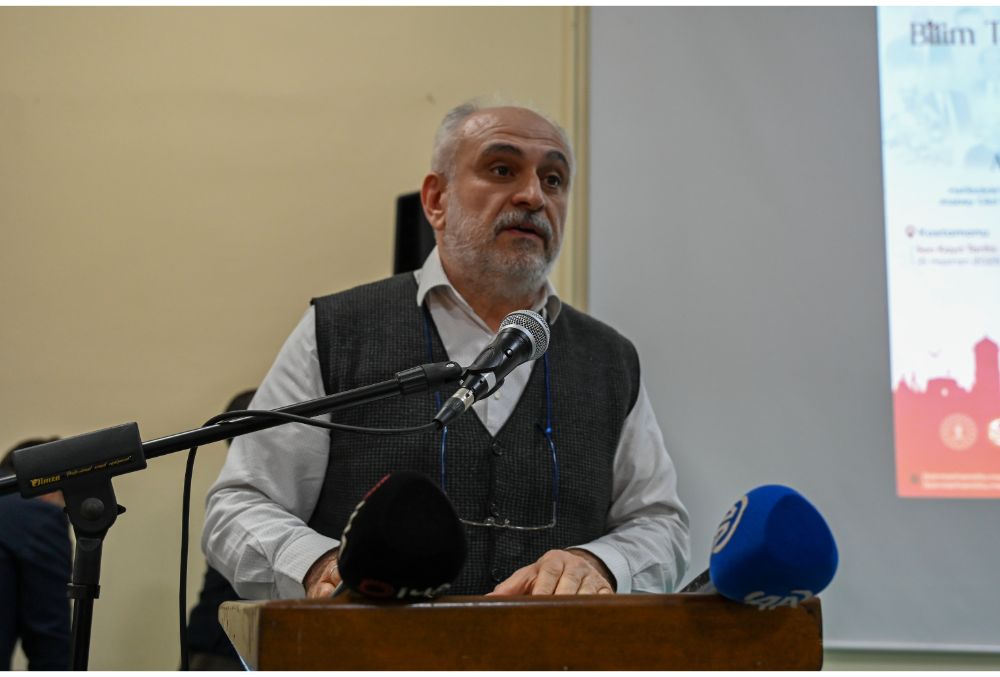
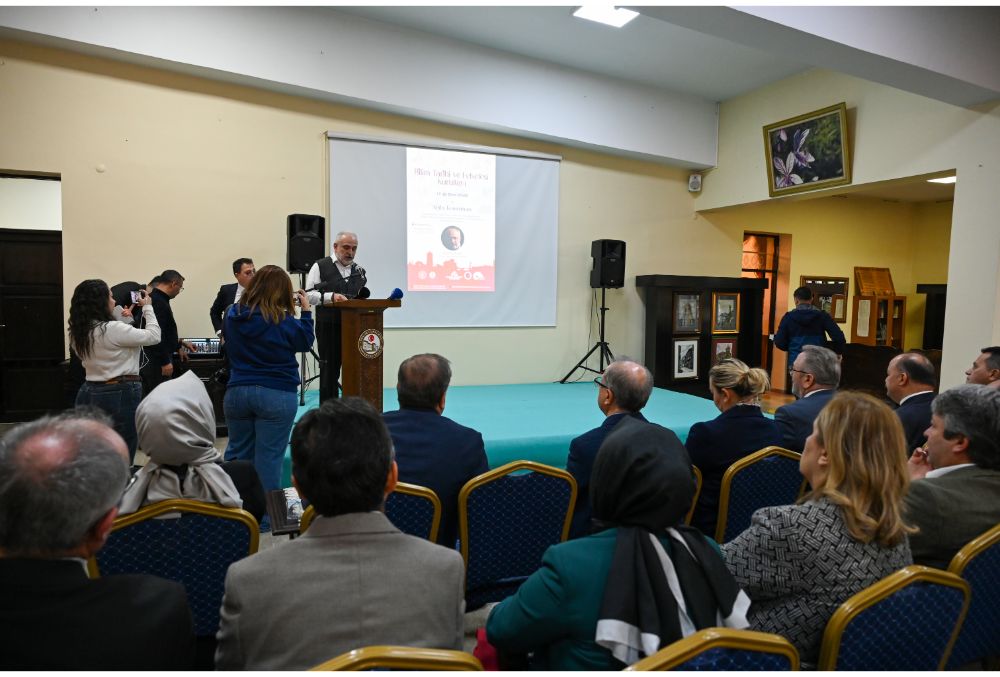
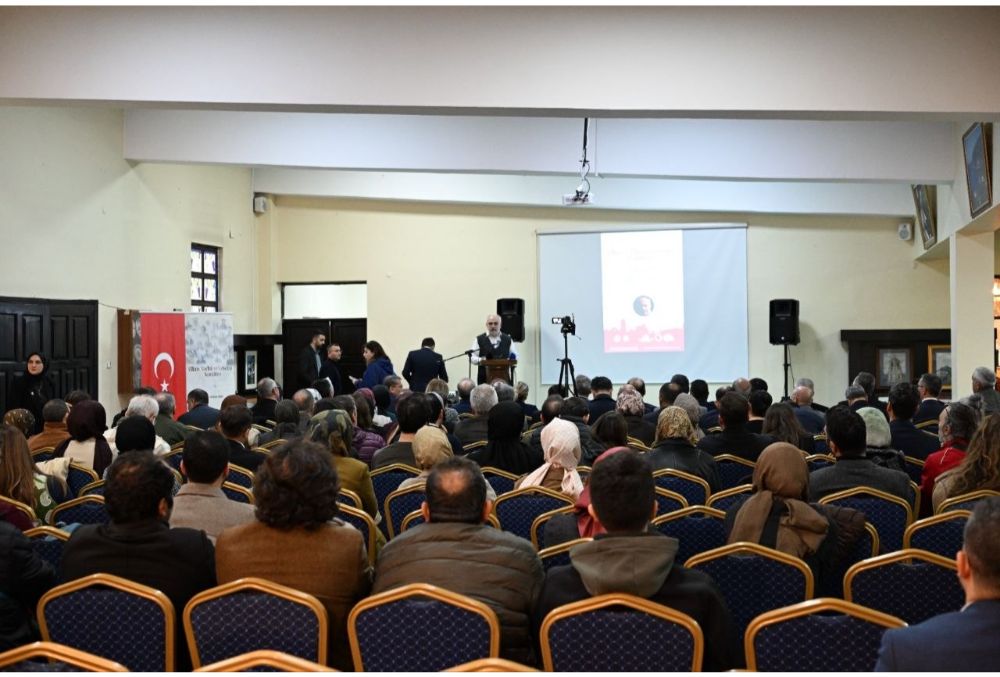
The Symposium on the History and Philosophy of Science, organized by the Istanbul Medeniyet University Institute of the History of Science, hosted by the Faculty of Humanities and Social Sciences at Kastamonu University, and supported by the Governorship of Kastamonu and the Turkish Manuscripts Institution (TÜYEK), began with an opening program held on October 17, 2026, at the Mimar Vedat Tek Culture and Art Center.
The congress held in Kastamonu on October 17-18, 2026, brought together academics and researchers working in the field of the history and philosophy of science. Within the scope of the congress, participants are discussing topics related to the development, current status, and future of the history and philosophy of science.
The program, which began with a moment of silence and the reading of the National Anthem, continued with opening and protocol speeches.
The Past, Present, and Future of the History of Science is Being Addressed
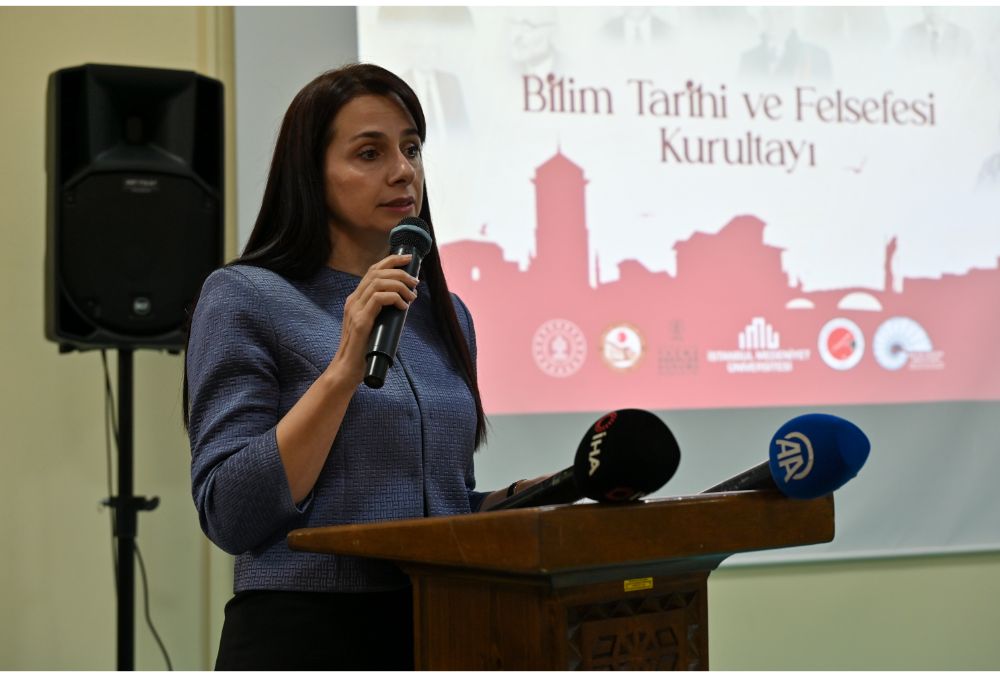
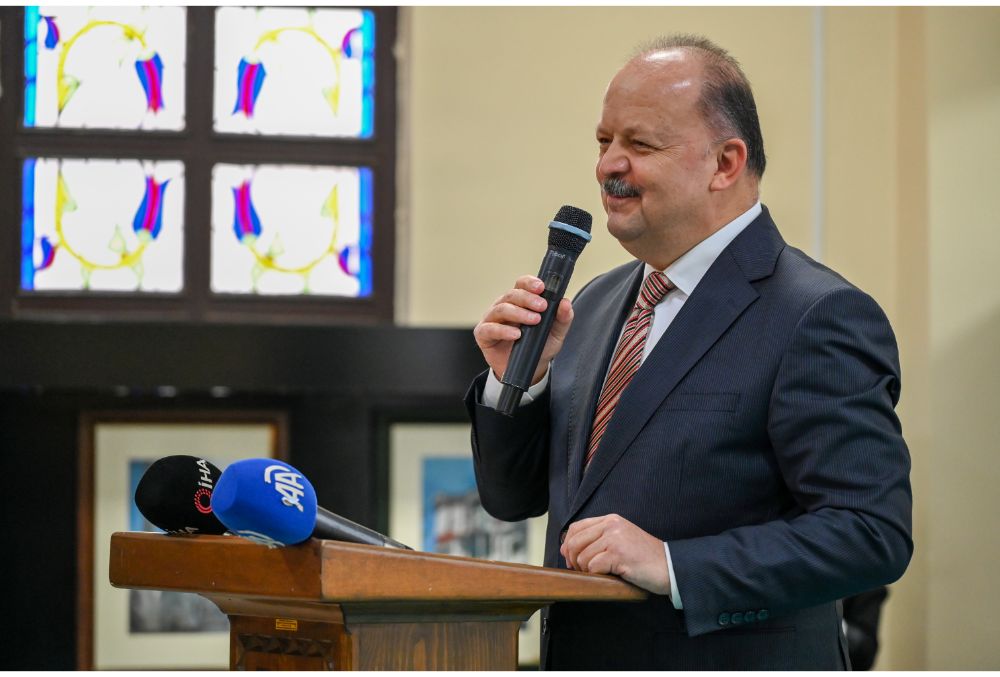
The first opening speech of the congress was delivered by the Chair of the Organizing Committee, and a faculty member of the Institute of the History of Science at Istanbul Medeniyet University, Assoc. Prof. Dr. Şule Taşkıran, provided information about the purpose and scope of the organization.
Stating that the congress consists of three sessions, Taşkıran expressed that the development and current status of the field of the history and philosophy of science would be discussed in the first session, educational, research, and data activities in the second session, and future-oriented evaluations in the last session.
Emphasizing that Kastamonu's deep-rooted scientific and cultural past adds a special meaning to the congress, Taşkıran stated that the scholars raised in the city and the works they produced constitute an important accumulation in the history of science. Taşkıran expressed that the Manuscript Works Exhibition of Scholars from Kastamonu, prepared within the scope of the congress, would also contribute to the promotion of this heritage, and he thanked the institutions and individuals who contributed to the organization.
It is aimed to hold the congress in different cities every three years
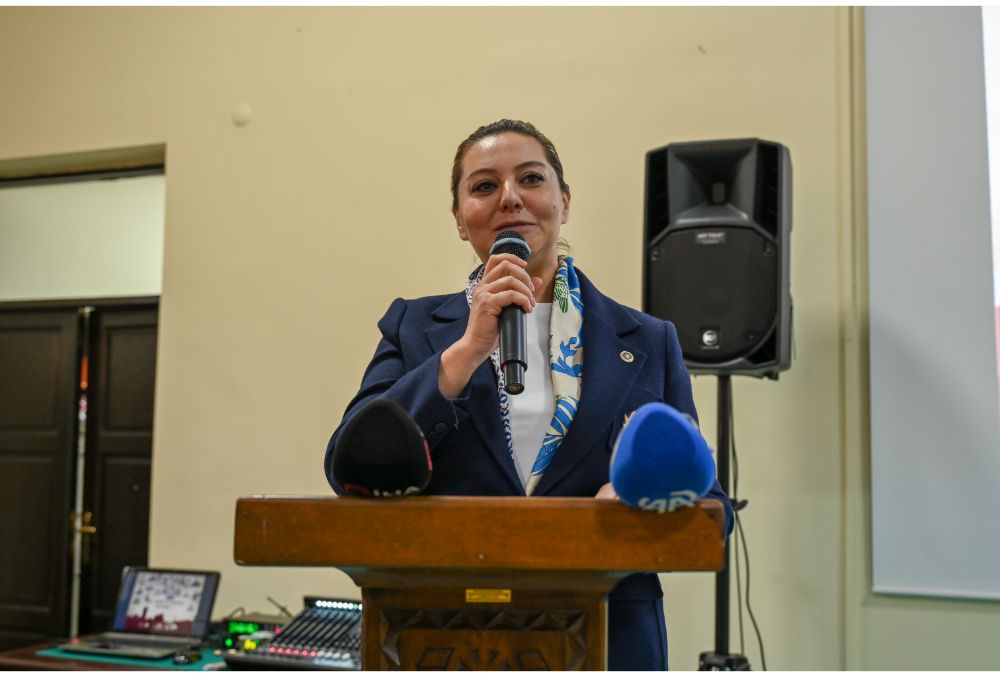
In the second part of the opening speeches, the Dean of our University's Faculty of Humanities and Social Sciences, Prof. Dr. Fatma Zehra Pattabanoğlu stated that the history of science allows us to understand past scientific developments, while the philosophy of science enables us to question the nature, methods, and boundaries of science.
Conveying that the idea of the congress came up in December 2025, Prof. Dr. Pattabanoğlu stated that as a result of the discussions, it was planned to hold the organization in different cities and universities every three years, and it was decided that the first congress would be held in Kastamonu.
Mentioning the contributions of our Rector Prof.Dr. Ahmet Hamdi Topal and the Kastamonu Governorship, among other relevant institutions, during the preparation process of the congress, Prof.Dr. Pattabanoğlu stated that the exhibition bringing together the written works of scholars from Kastamonu was also included in the program during this process. He emphasized that understanding the scientific heritage of the past and questioning the boundaries of knowledge is important for future studies and thanked those who contributed.
Our Rector Highlighted the Role of Universities in the Preservation of Cultural Heritage
In his speech, our Rector, Prof. Dr. Ahmet Hamdi Topal, highlighted Kastamonu's significant intellectual contributions to Anatolia through its scholars, madrasas, libraries, and foundations.
Emphasizing that universities bear the responsibility of researching, preserving, and passing on the historical and cultural heritage of the cities they are located in, our Rector stated that our University has contributed to a closer recognition of Kastamonu's scientific past through the work it has carried out in this direction.
Our Rector stated that the symposium will lay the groundwork for new academic studies and collaborations by bringing together researchers from different fields, especially He, and thanked those who contributed to the organization, including Prof. Dr. İhsan Fazlıoğlu.
Rector Çelik Emphasized the Importance of the Scientific and Intellectual Accumulation of Civilizations
The Rector of Istanbul Medeniyet University, Prof.Dr. Gülfettin Çelik, emphasized in his speech the promises of prosperity, security, and coexistence that the contemporary global system offers to humanity.
Stating that these promises are not always reciprocated, Çelik expressed that the problems experienced in the world necessitate a reevaluation of the current order.
Emphasizing that the historical and intellectual accumulations of civilizations should be utilized in developing new approaches for the future, Çelik stated that the scientific and cultural heritage of Islamic civilization offers an important resource in this regard. He stated that the congress, which was organized in Kastamonu, was meaningful in terms of evaluating the accumulation of the past together with the issues of today.
Deputy Ekmekci Evaluated the Place of Kastamonu in the History of Science and Culture
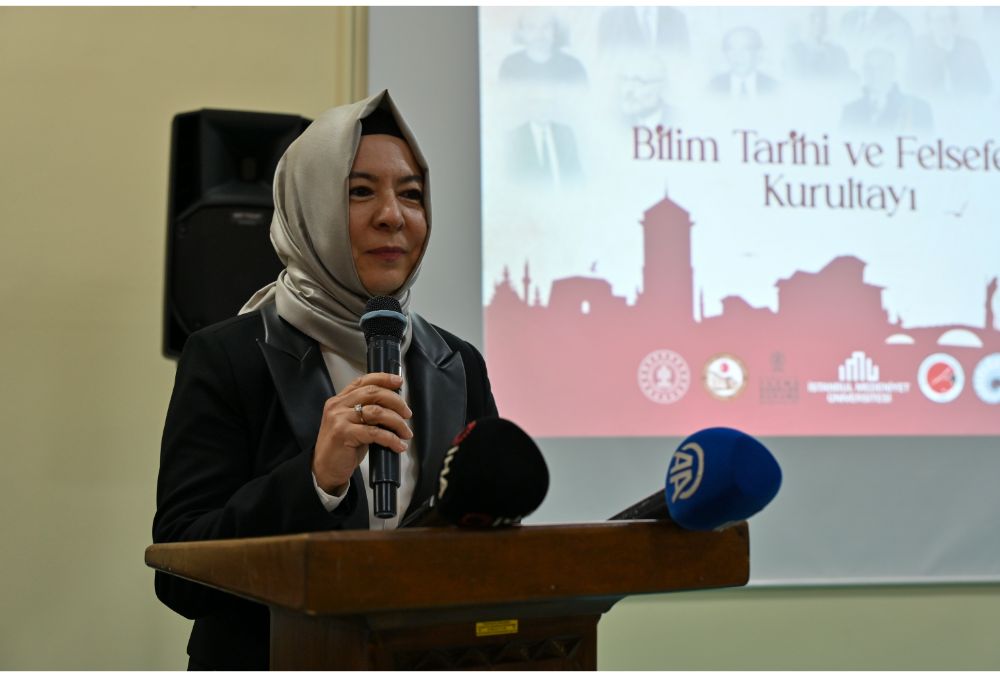
Kastamonu Deputy Fatma Serap Ekmekci stated in her speech that statesmen, scholars, and cultural figures made significant contributions to the formation of Kastamonu's scientific and cultural accumulation.
Referring to the madrasas, complexes, and libraries established during the reign of Fatih Sultan Mehmet to make Istanbul a center of science and culture, Ekmekci stated that similar important works supporting the life of science were carried out in Kastamonu.
Governor Dallı Draws Attention to Kastamonu's Historical and Cultural Heritage
In his speech, Kastamonu Governor Meftun Dallı discussed the emergence process of the Manuscript Works Exhibition of Scholars from Kastamonu, which was prepared as part of the congress.
Stating that the exhibition was realized as a result of the meetings held with Deputy Minister of Culture and Tourism Coşkun Yılmaz upon İhsan Fazlıoğlu's suggestion, Dallı thanked those who contributed, especially the employees of the Turkish Manuscripts Institution Presidency.
Stating that Kastamonu was an important center of science and culture, especially during the Çobanoğulları and Candaroğulları periods, Dallı noted that this accumulation continued during the Ottoman period as well.
Mentioning the city's location on the Independence Road and its role during the National Struggle period, Dallı emphasized that preserving and passing on Kastamonu's historical, scientific, and cultural values to future generations is a shared responsibility.
Deputy Minister Yılmaz Emphasized the Importance of Recognizing Efforts in Scientific Work
The last of the protocol speeches was made by the Deputy Minister of Culture and Tourism, Coşkun Yılmaz, who stated that with the scholars and poets it has raised and its architectural works, Kastamonu has an important place in the cultural memory of Anatolia.
Mentioning names such as Taşköprülüzâde, Şeyh Şaban-ı Veli, Mustafa İzzet Efendi, and Mahmud Pasha, Yılmaz stated that to understand the history of a city, it is necessary to recognize the works and intellectual worlds of the scholars who emerged from that city.
Stating that the examination, cataloging, and provision of manuscripts for researchers are important for the preservation of cultural heritage, Yılmaz reminded that there are many people behind scientific and cultural works.
Especially addressing the youth, Yılmaz emphasized that one should not hesitate to appreciate the efforts of others and to openly express their contributions. Stating that thanking a person does not reduce one’s own value, Yılmaz wished that the congress and the exhibition would contribute to the recognition of Kastamonu’s historical accumulation.
Prof. Dr. İhsan Fazlıoğlu Delivered the Opening Lecture
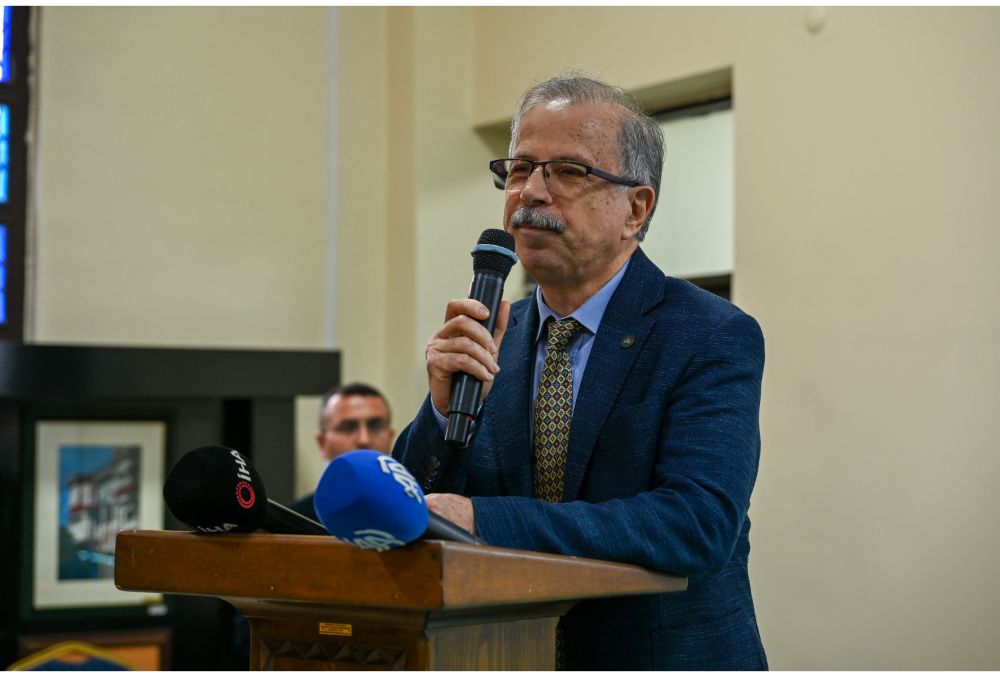
After the protocol speeches, the Director of the Institute of the History of Science at Istanbul Medeniyet University, Prof. Dr. İhsan Fazlıoğlu, delivered the opening lecture titled "On the 530th Anniversary of Hatîpzâde's Death." On the occasion of the 530th anniversary, he delivered an opening lecture titled "From the Atabey Gâzî Madrasa to Kastamonu University: A Life of Philosophy and Science."
In his speech, Fazlıoğlu, who referred to the deep-rooted history of philosophy and science in Kastamonu, stated that the scientific tradition in the city dates back to the era of Muzaffereddin Yavlak Arslan. Recalling that one of the important scholars of the period, Kutbeddin Shirazi, presented his work in the field of astronomy, *Ihtiyarat-i Muzafferi*, to Yavlak Arslan, Fazlıoğlu stated that this is one of the indicators of the importance that the beys of Kastamonu gave to astronomy and rational sciences.
In his speech, Fazlıoğlu, who referred to the deep-rooted history of philosophy and science in Kastamonu, stated that the scientific tradition in the city dates back to the era of Muzaffereddin Yavlak Arslan. Recalling that one of the important scholars of the period, Kutbeddin Shirazi, presented his work in the field of astronomy, "Ihtiyarat-i Muzafferi", to Yavlak Arslan, Fazlıoğlu stated that this is one of the indicators of the importance that the beys of Kastamonu gave to astronomy and rational sciences.
In his speech, Fazlıoğlu, who referred to the deep-rooted history of philosophy and science in Kastamonu, stated that the scientific tradition in the city dates back to the era of Muzaffereddin Yavlak Arslan. Recalling that one of the important scholars of the period, Kutbeddin Shirazi, presented his work in the field of astronomy, "Ihtiyarat-i Muzafferi," to Yavlak Arslan, Fazlıoğlu stated that this is one of the indicators of the importance that the beys of Kastamonu gave to astronomy and rational sciences.
Touching on the impact of scholars from Kastamonu on Ottoman intellectual life, Fazlıoğlu drew attention to the place of Hatipzâde-i Rûmî in theological and philosophical discussions. Evaluating Taşköprülüzâde Ahmed Efendi as one of the most important Turkish philosophers of the 16th century, Fazlıoğlu stated that he made significant contributions to the classification of sciences and the discussion of fundamental philosophical issues such as existence, causality, and time with his work "Miftâhu's-Sa'âde".
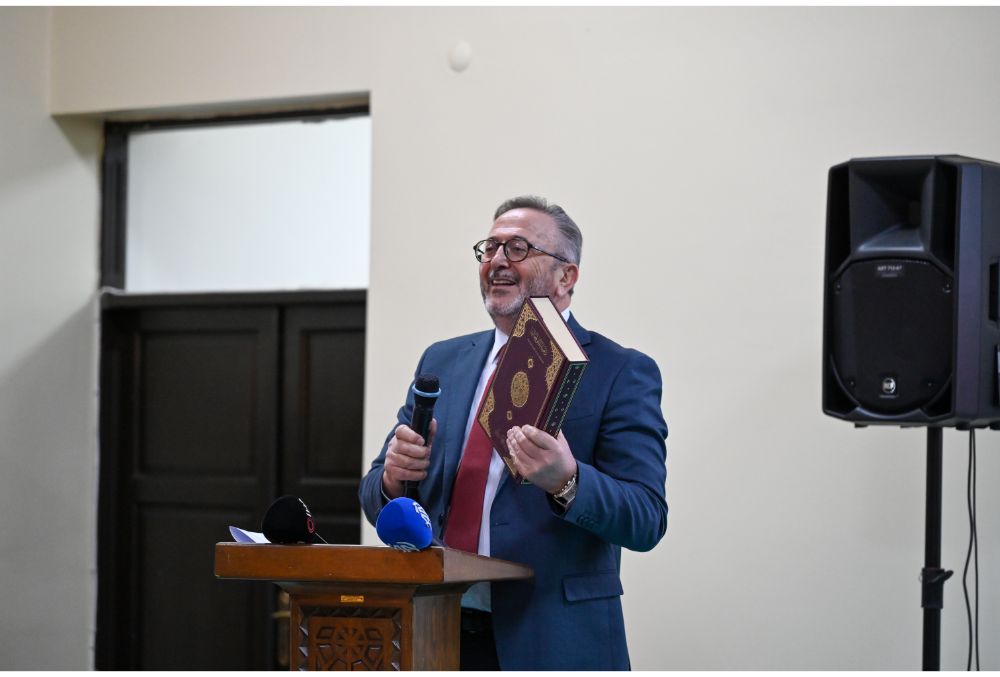
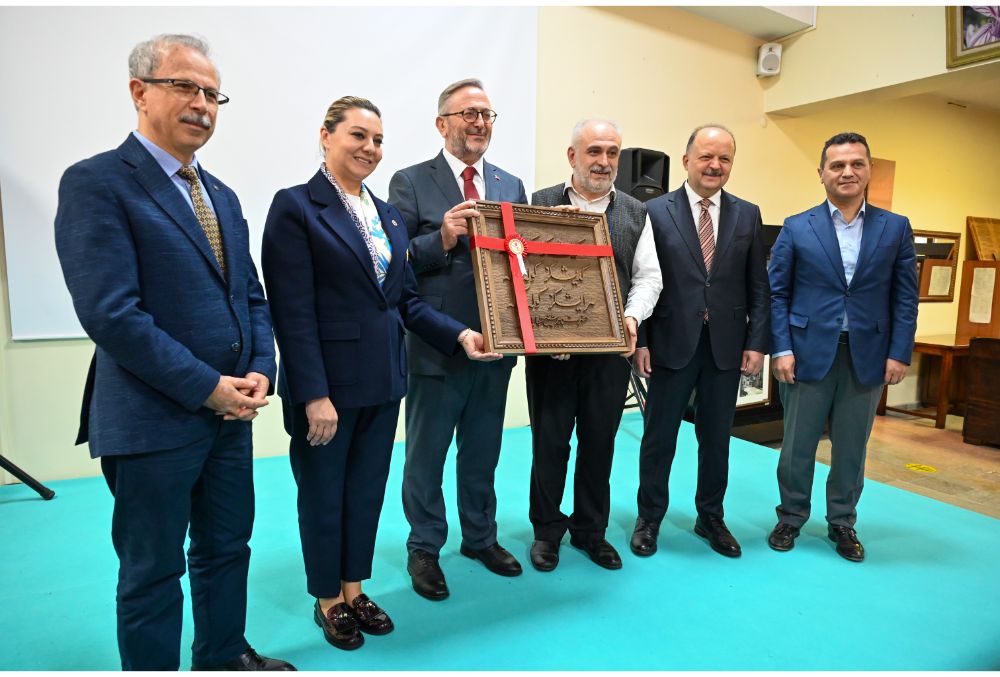
After the conference, the participants thanked Prof. Dr. İhsan Fazlıoğlu for his contributions and presented him with a gift.
The Opening of the Manuscripts Exhibition of Scholars from Kastamonu was Held
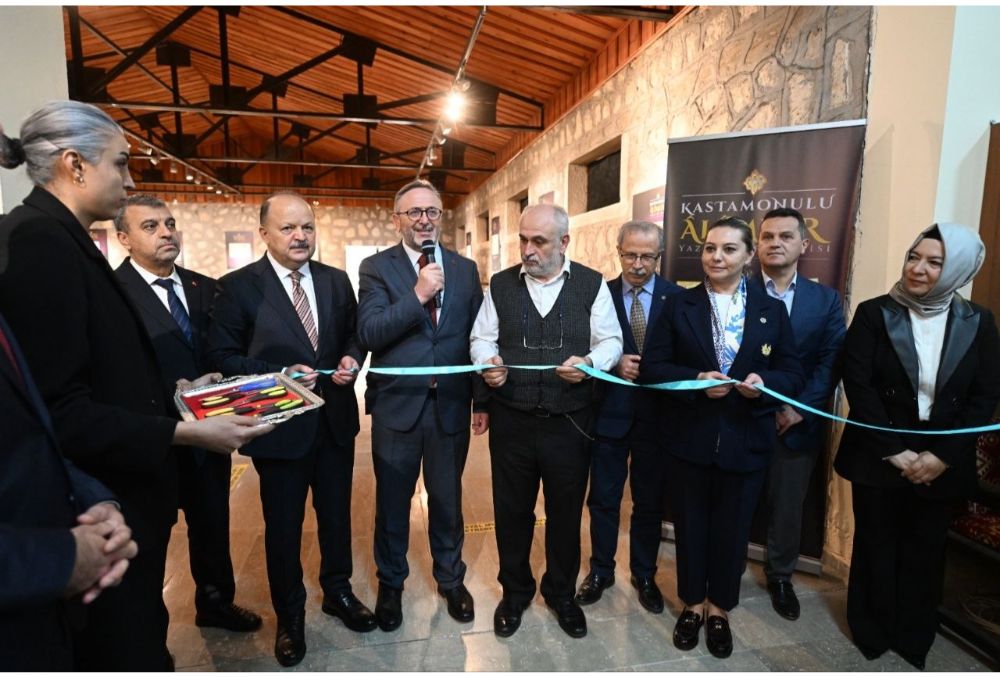
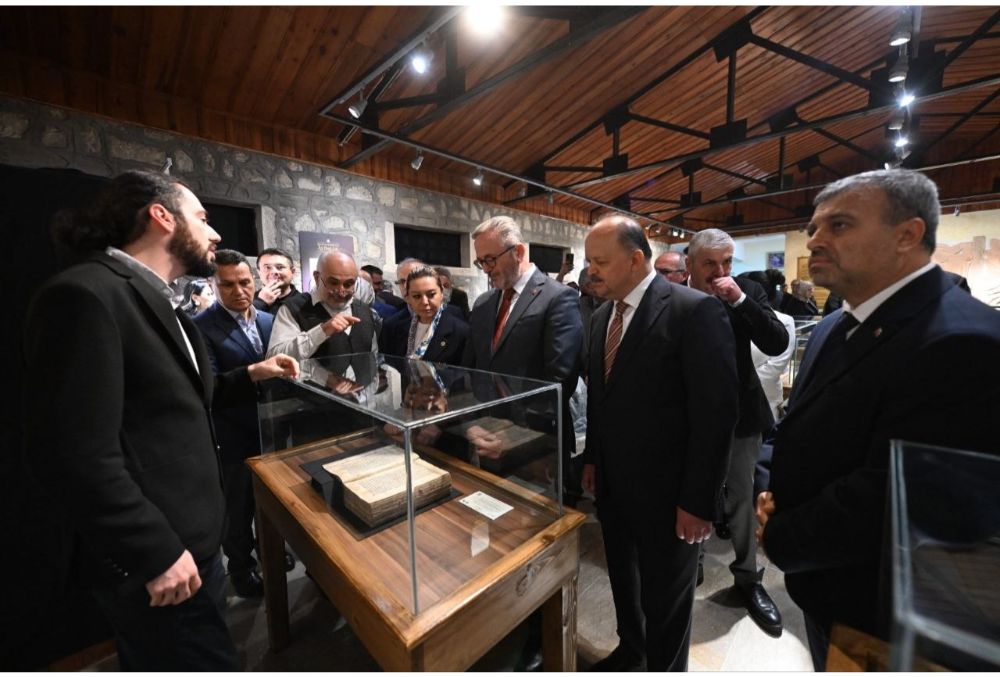
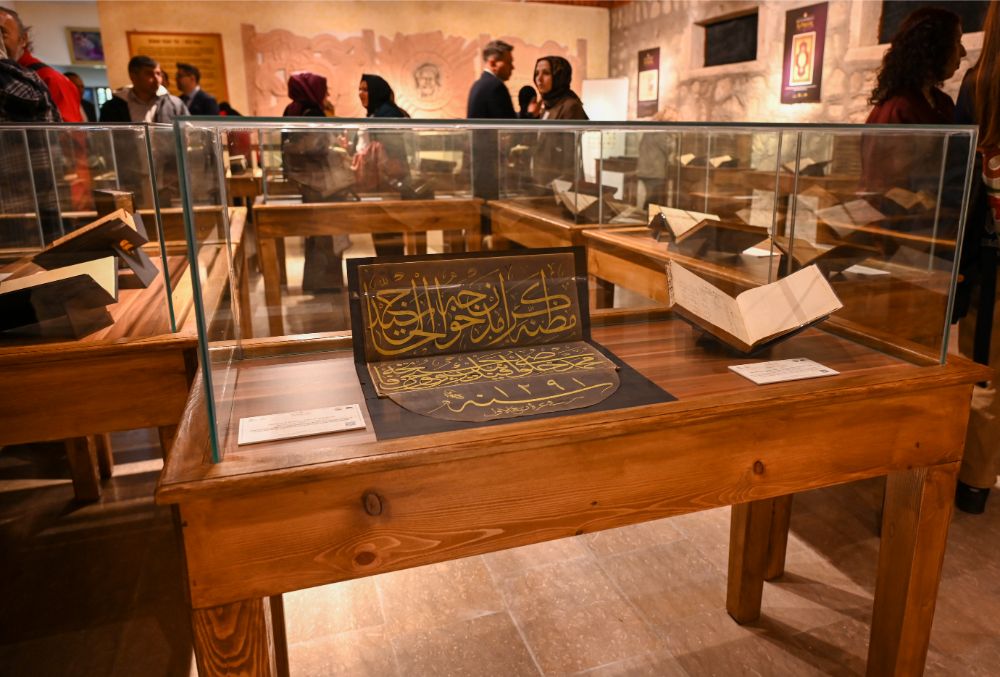
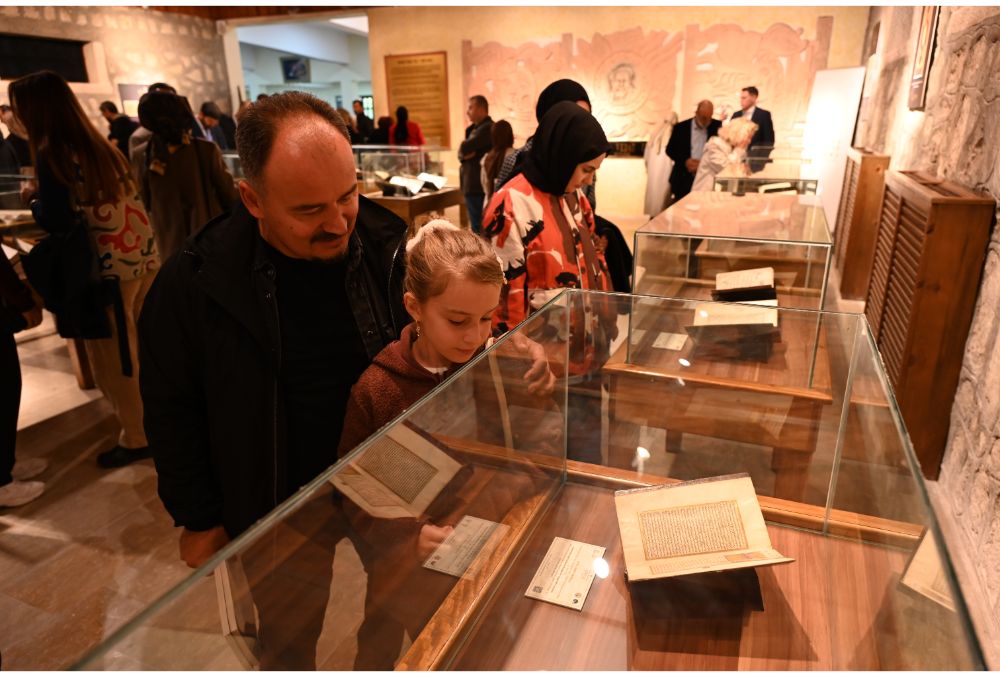
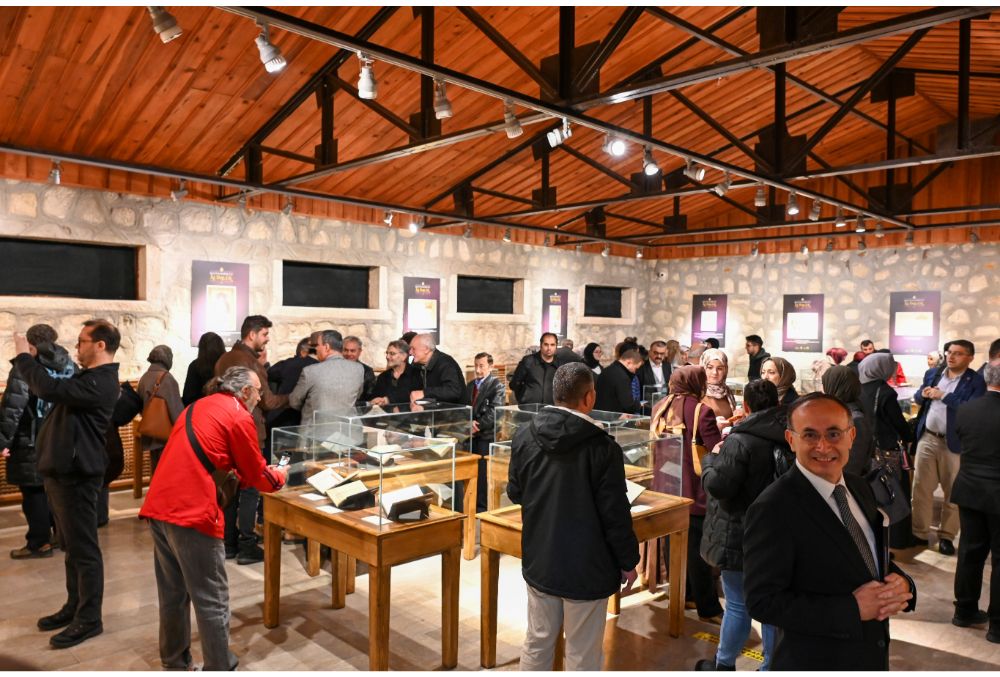
The first day's program of the congress continued with the opening of the Manuscript Exhibition of Scholars from Kastamonu after the opening speeches and conference.
In the exhibition prepared in collaboration with the Kastamonu Governorship, the Turkish Manuscripts Institution Presidency, and the Institute of the History of Science, manuscripts belonging to scholars raised in Kastamonu were brought together. The works reflecting the city’s centuries-old science and culture were presented to the participants. With the opening of the exhibition, the first day's program of the congress came to an end.
The Congress Will Continue with Scientific Sessions on October 18
The Congress on the History and Philosophy of Science will continue with its first session on Sunday, October 18, 2026, at 09:30 in the Sezai Karakoç Hall of our University's Central Library.
Within the framework of the scientific program consisting of three sessions, the historical development and current status of the field of the history and philosophy of science, issues related to education, research, and data activities, as well as future evaluations, will be addressed.