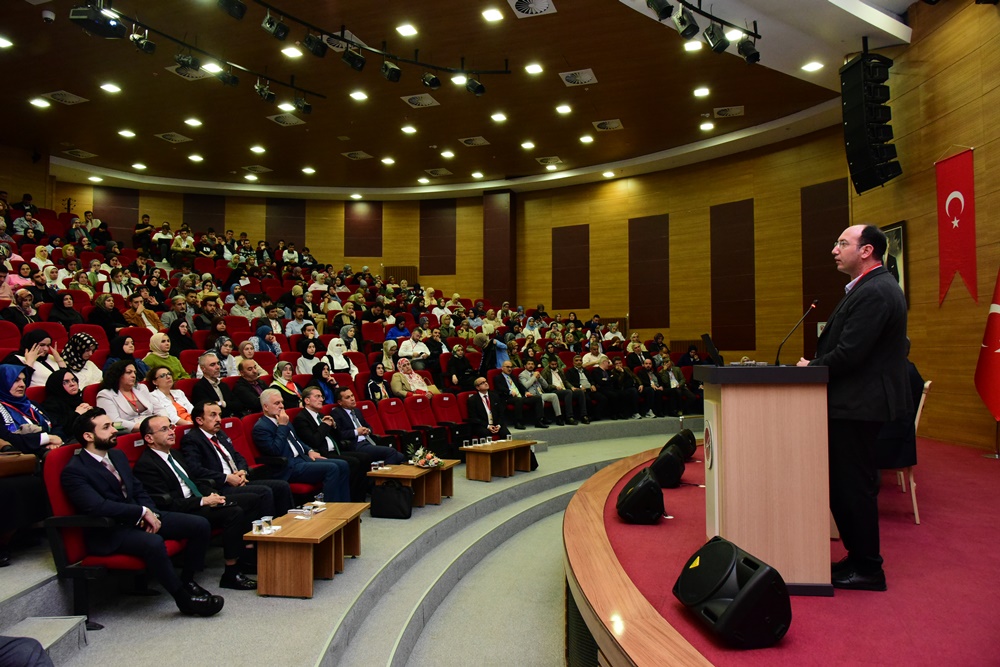
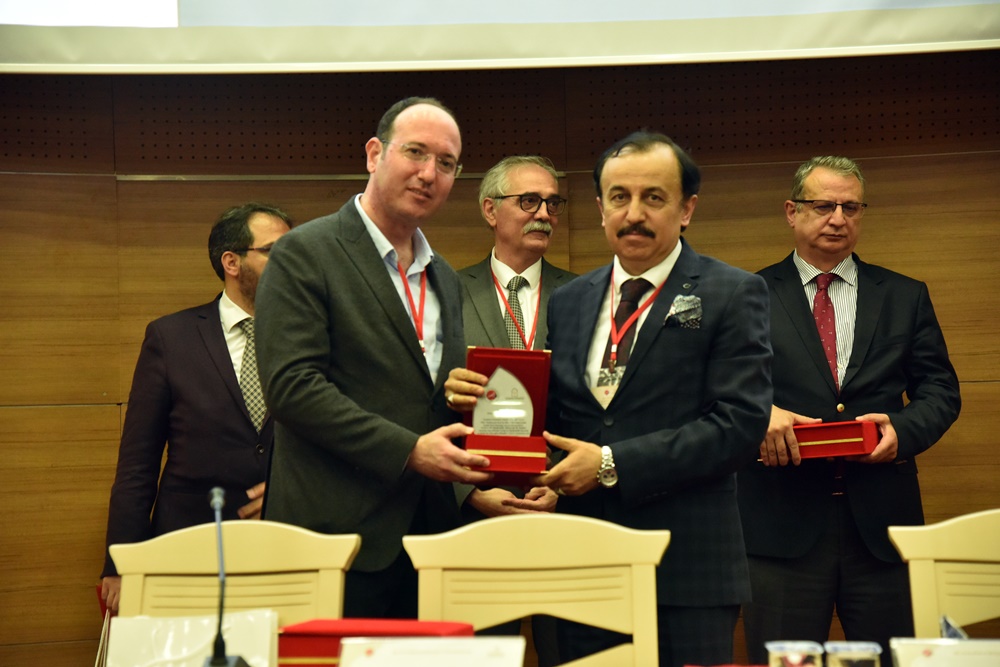
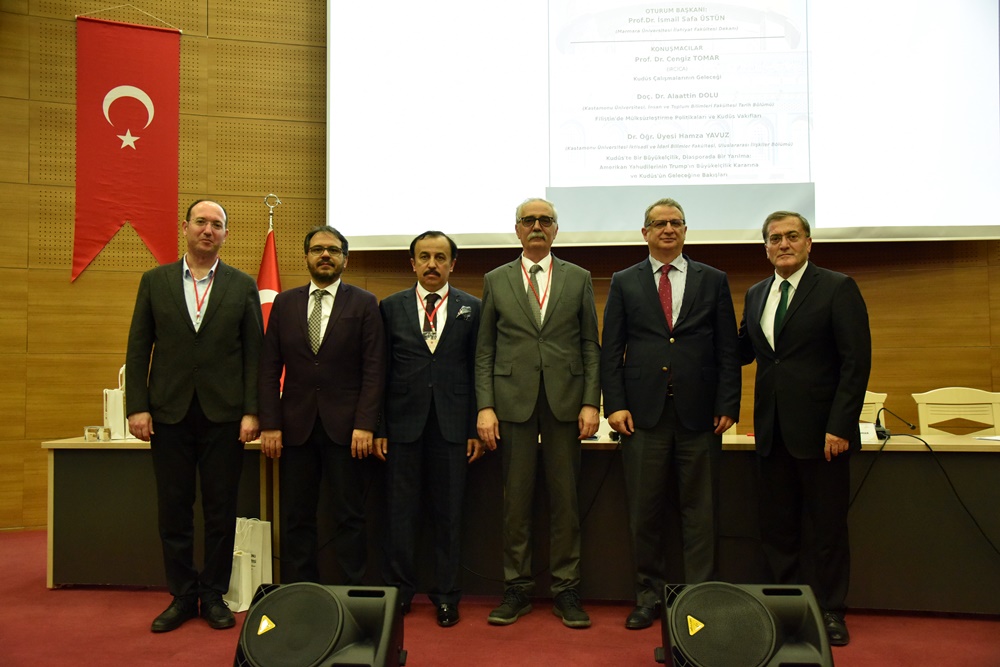
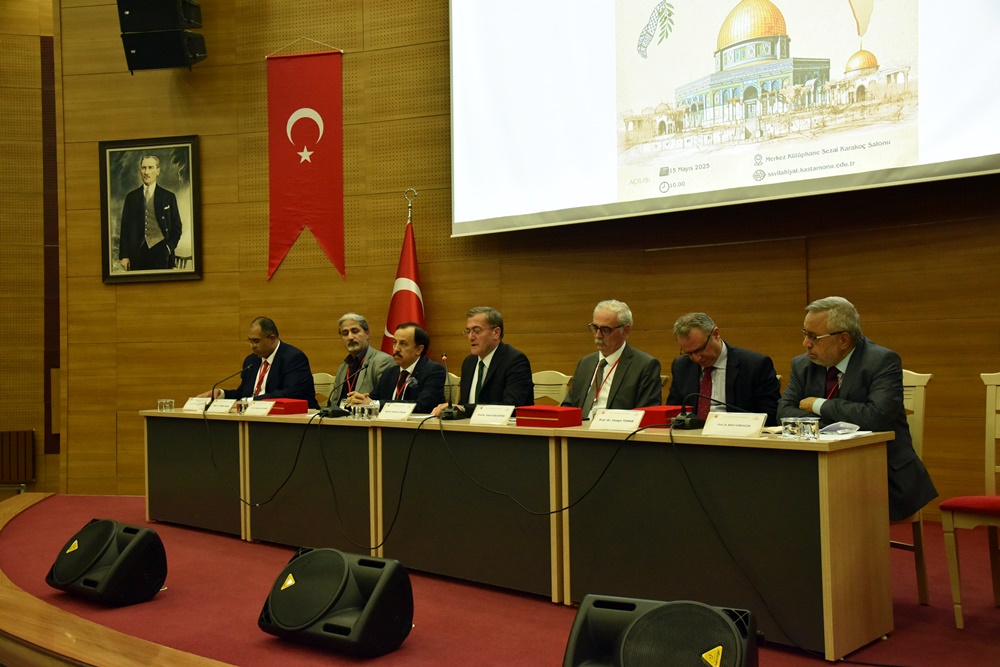
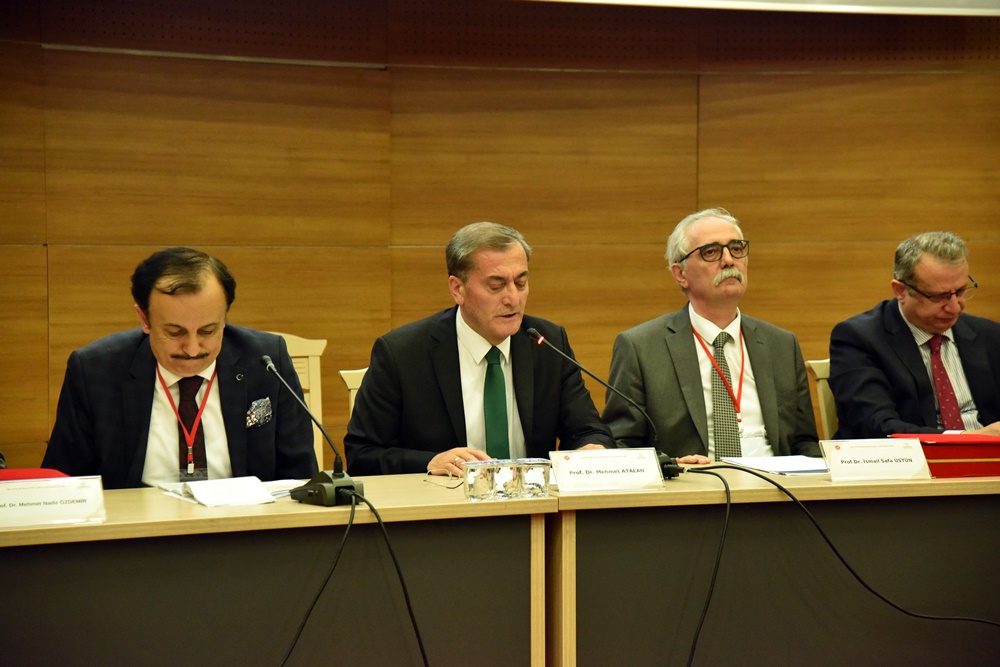
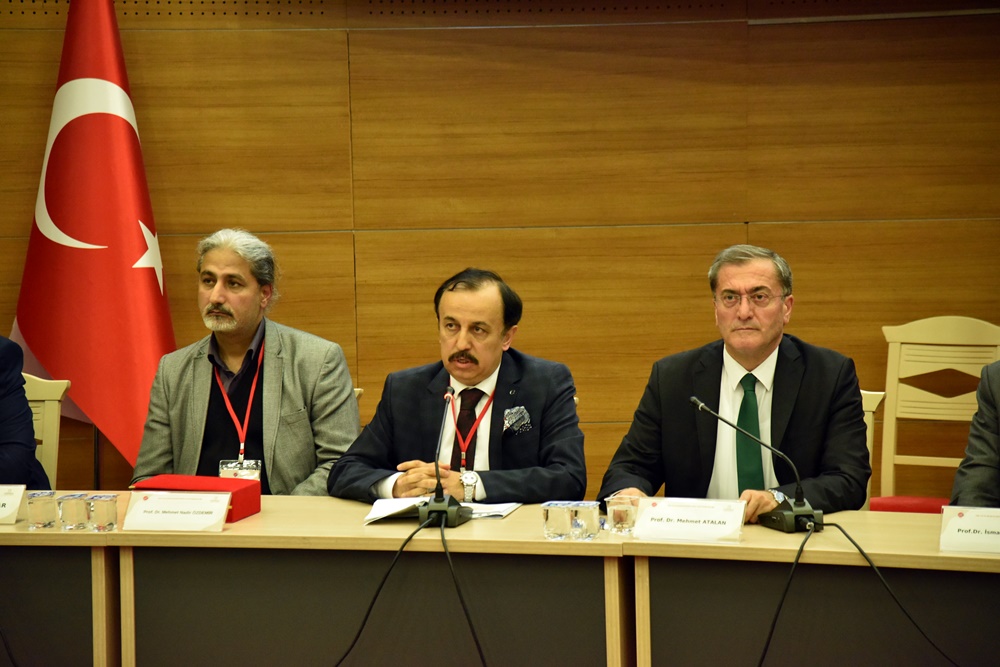
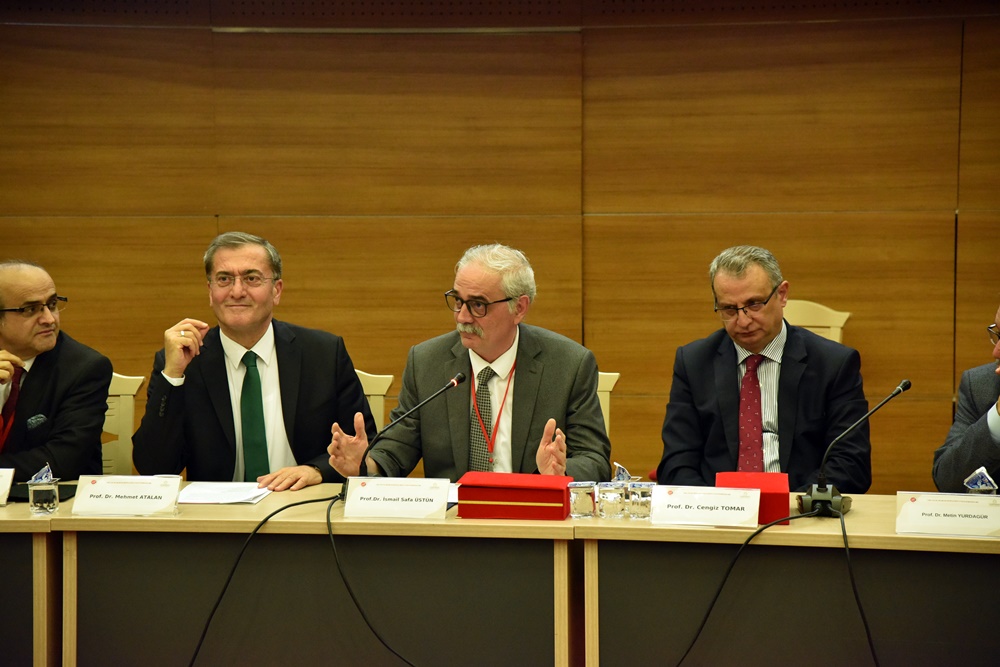
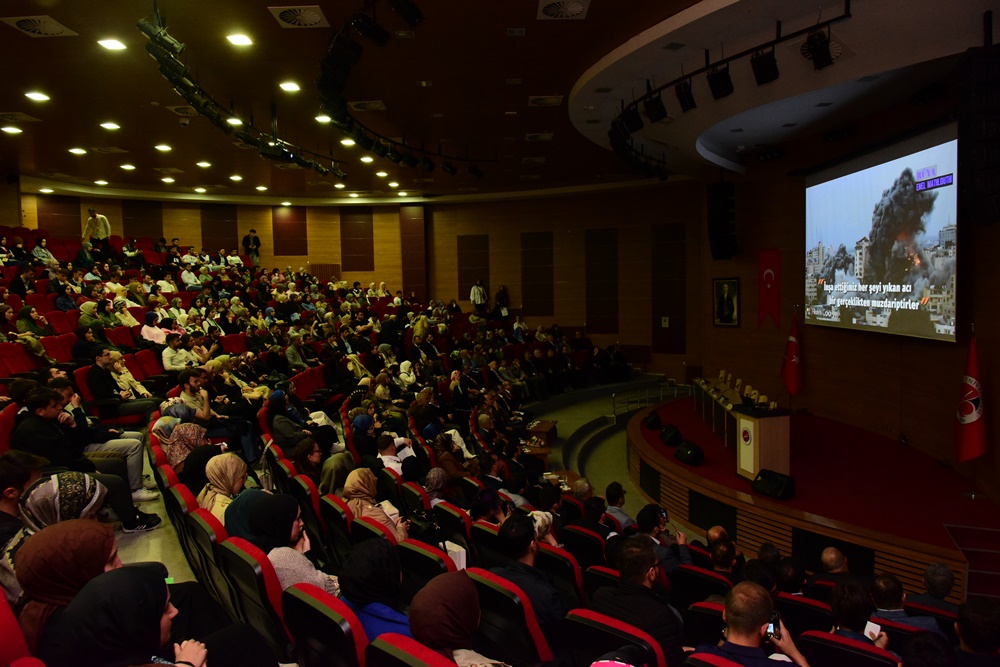
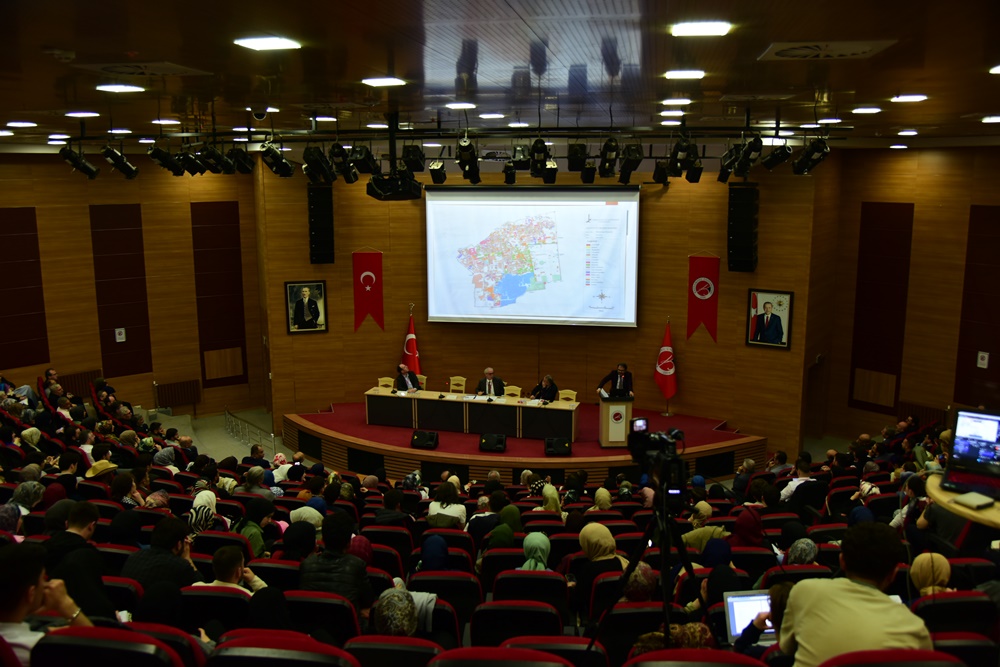
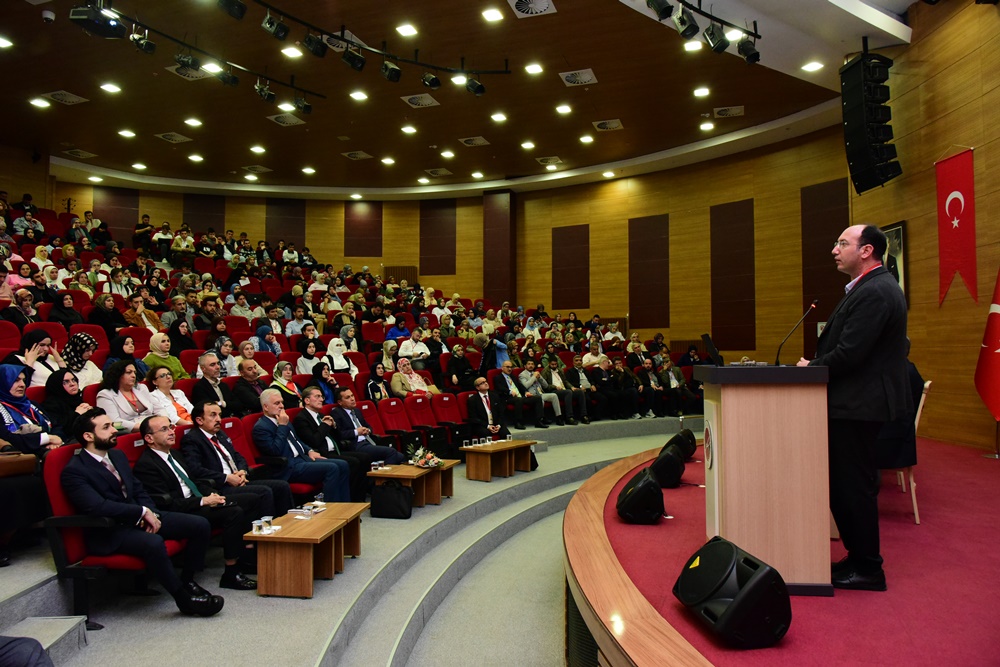
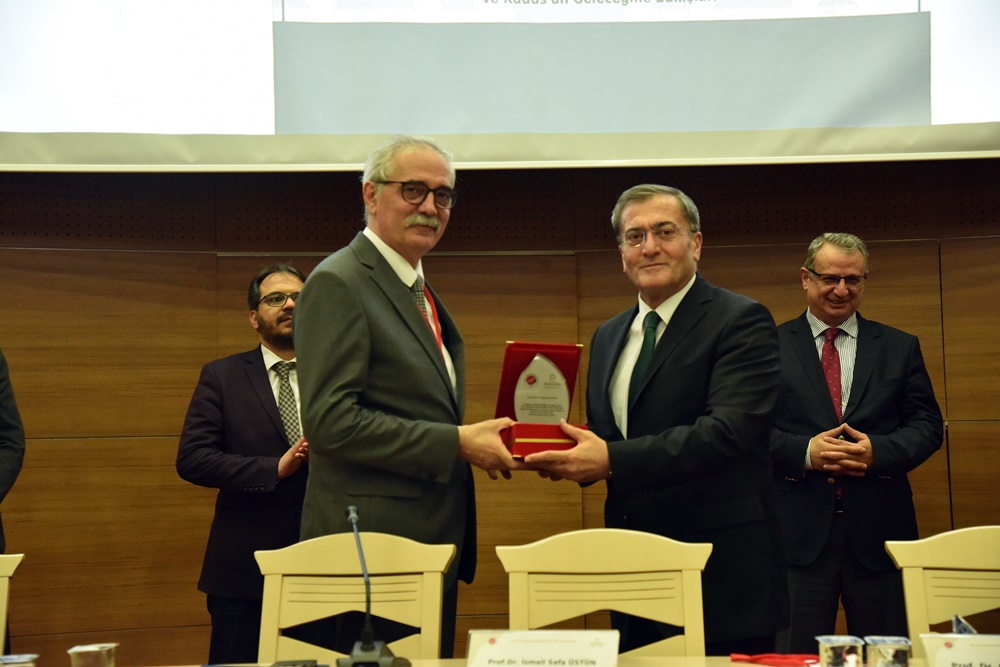
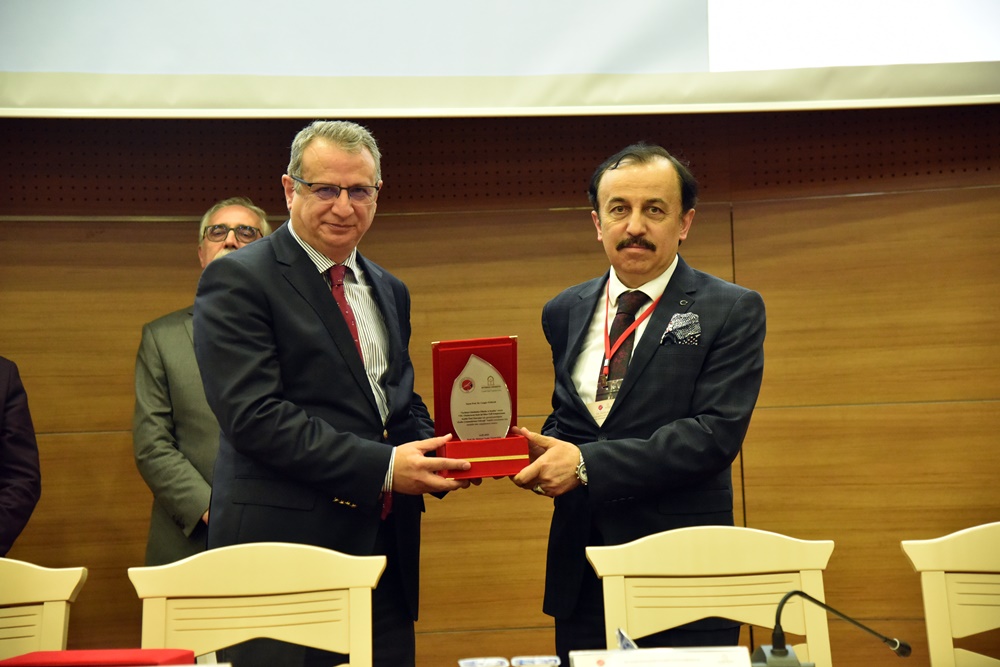
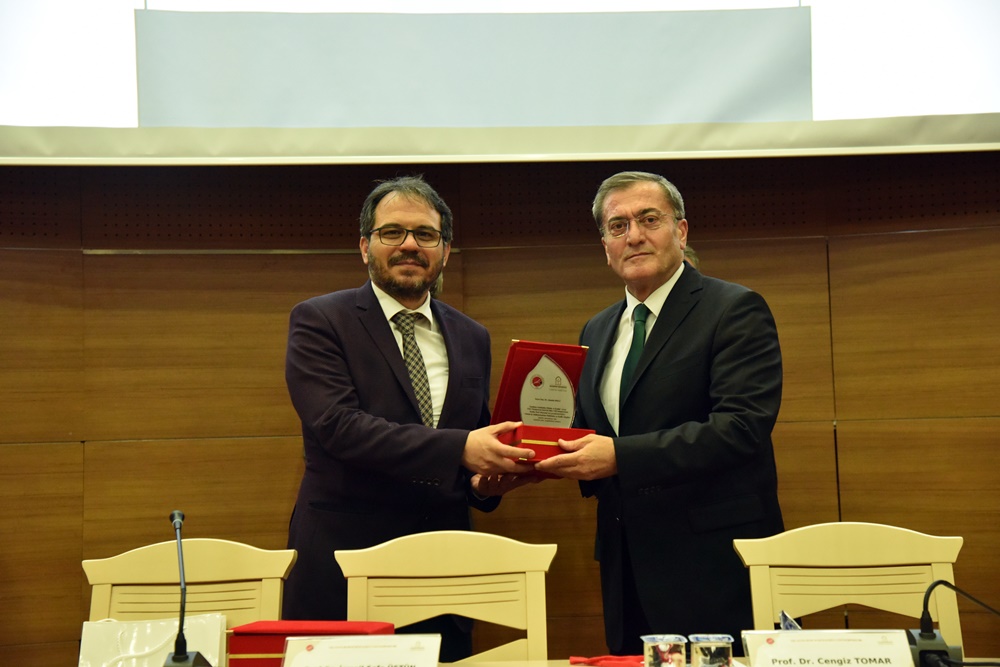
The Faculty of Theology at Kastamonu University hosted the "Jerusalem Special Session" as part of the VIII. International Sheikh Shaban-i Veli Symposium. The event, titled "Palestine and Jerusalem from History to the Present," took place on May 16, 2025, in the Sezai Karakoç Conference Hall of the Central Library.
Our Rector, Prof. Dr. Ahmet Hamdi Topal, Vice Rector and Dean of the Faculty of Theology, Prof. Dr. Mehmet Atalan, Prof. Dr. Ömer Küçük, representatives from public institutions and organizations; academic and administrative staff; and many students and guests attended the event.
The special session was chaired by Prof. Dr. İsmail Safa Üstün, Dean of the Faculty of Theology at Marmara University. Prof. Dr. Üstün stated that Jerusalem has been the heart of different civilizations throughout history and a holy city where religions and cultures meet, saying, "I thank all the academics and participants who contributed to the organization of this meaningful session." I would like to extend my gratitude in advance to our esteemed speakers who will address Jerusalem from a scientific perspective. He concluded his speech by saying, "I hope this meeting will provide new perspectives."
Assoc. Prof. Dr. Alaattin Dolu: “Dispossession Policies Deeply Affect the Historical Structure of Jerusalem”
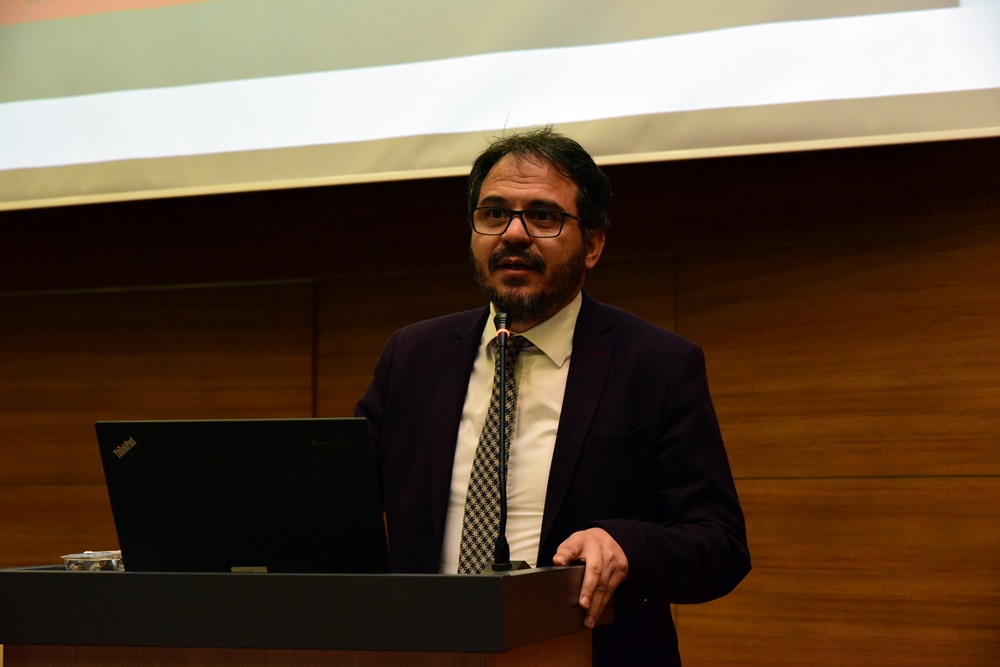
After the opening speech of the program, the first speaker, Assoc. Dr. Alaattin Dolu from Kastamonu University shared his presentation titled "Dispossession Policies in Palestine and the Jerusalem Endowments." Assoc. Prof. Dr. Dolu stated that dispossession played a central role in Israel's policies toward Palestine after 1947.
Stating that the Israeli administration accelerated the confiscation of waqf properties after 1948, Assoc. Prof. Dr. Dolu expressed that some Israeli institutions significantly restricted the rights of Palestinian property owners. He said that some of the Muslim foundations in Jerusalem were reorganized within the framework of Israeli laws and transferred to the state or converted into private property. Assoc. Prof. Dr. Dolu added that these foundations are of great importance for the recognition of the Muslim presence in Jerusalem and that many efforts are being made worldwide to protect it.
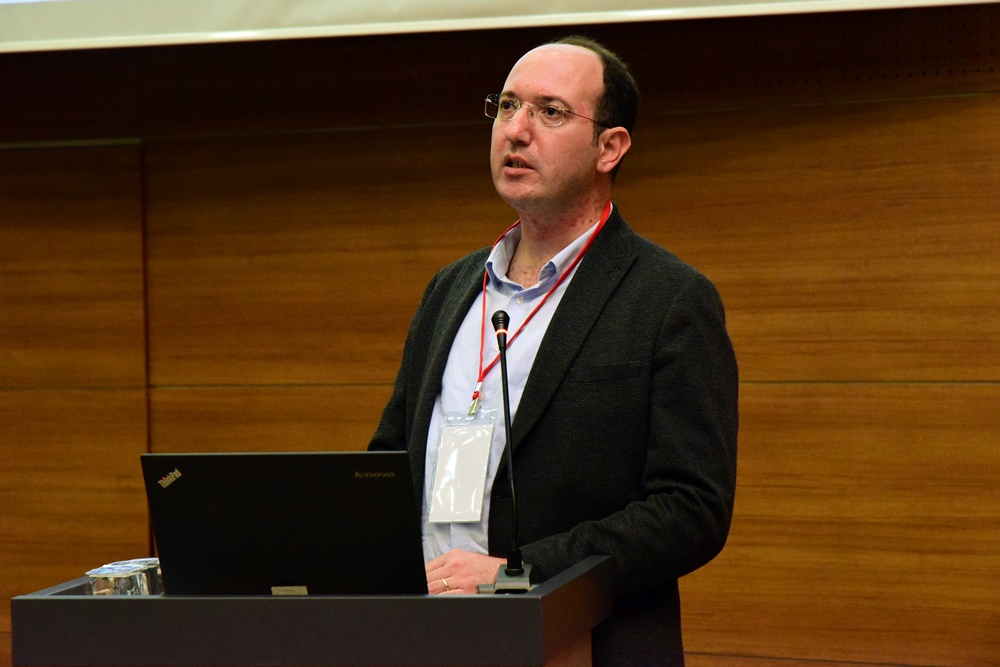
After Dr. Dolu finished, Assist. Prof.Dr. Hamza Yavuz from Kastamonu University took the podium again. He shared his presentation titled "An Embassy in Jerusalem, a Rift in the Diaspora: American Jews' Perspectives on Trump's Embassy Decision and the Future of Jerusalem" with the participants.
Assist. Prof.Dr. Yavuz: "Trump's Jerusalem Decision Caused a Split Among American Jews"
Assist. Prof.Dr. Yavuz stated that the decision made by then-US President Donald Trump in 2018 to move the US Embassy from Tel Aviv to Jerusalem caused a great stir in international public opinion. He emphasized that this decision deeply affected not only the global diplomatic balance but also the Jewish diaspora worldwide, especially the American Jewish community.
Stating that the decision to officially recognize Jerusalem as Israel's capital has caused serious divisions within the Jewish community in America, Yavuz expressed that this step has led to splits within the communities. He stated that some groups welcomed this decision as recognition of Israel's sovereign rights, while others opposed it on the grounds that it undermined hopes for peace in the region.
Assist. Prof.Dr. Yavuz added that the American Jewish community is generally divided into various groups, including center, left, right, and far left, and these groups respond differently to developments in foreign policy.
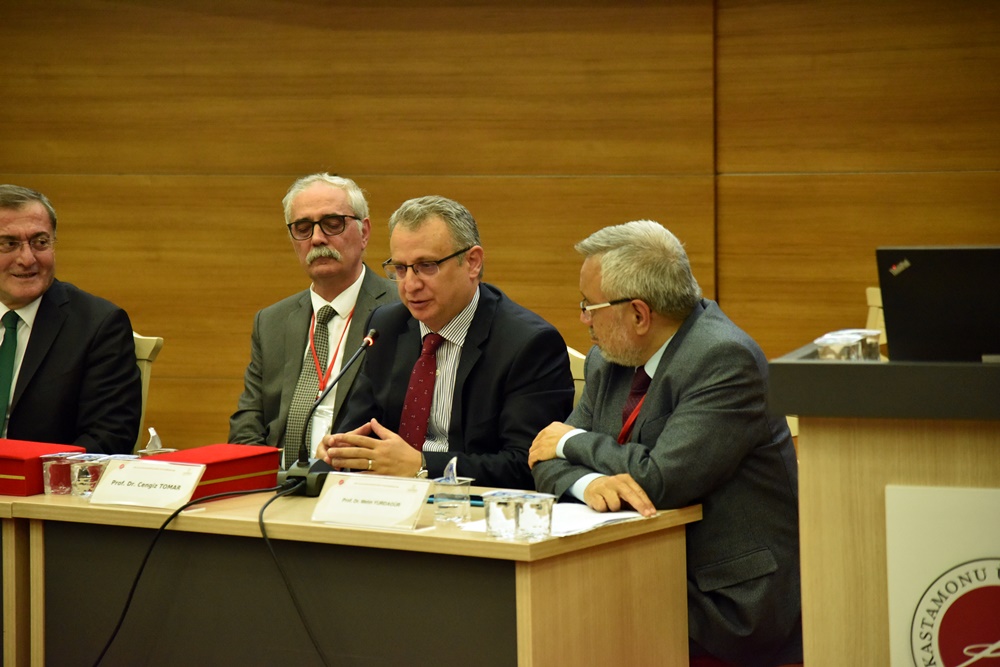
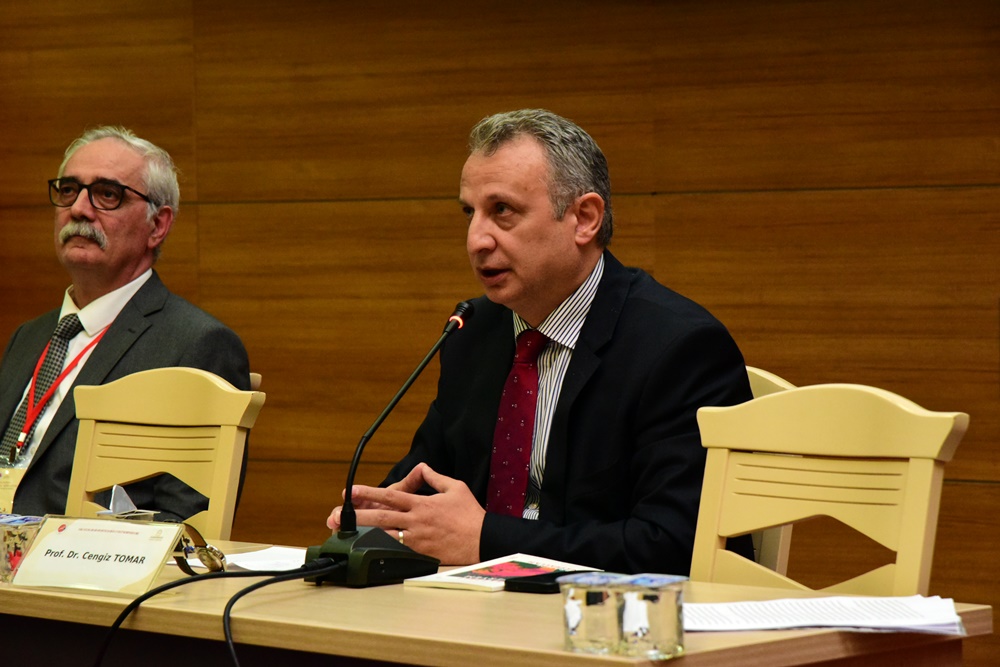
Prof. Dr. Cengiz Tomar: "Jerusalem Studies Should Be Deepened"
In his speech, Prof. Dr. Tomar emphasized that Jerusalem holds great significance both religiously and politically, and therefore, the city has continuously become a focal point for academic studies. He emphasized that under current conditions, research on Jerusalem needs to be deepened and updated further.
Prof. Dr. Tomar stated that contributions to Jerusalem studies have been made from Turkey, the Islamic world, and many countries globally, and announced that a portal has been created to bring these studies together. He stated that this portal aims to reach a wide audience from Europe to America, from the Arab world to the Islamic geography, and that it will serve as an archive to strengthen the Jerusalem-Palestine consciousness.
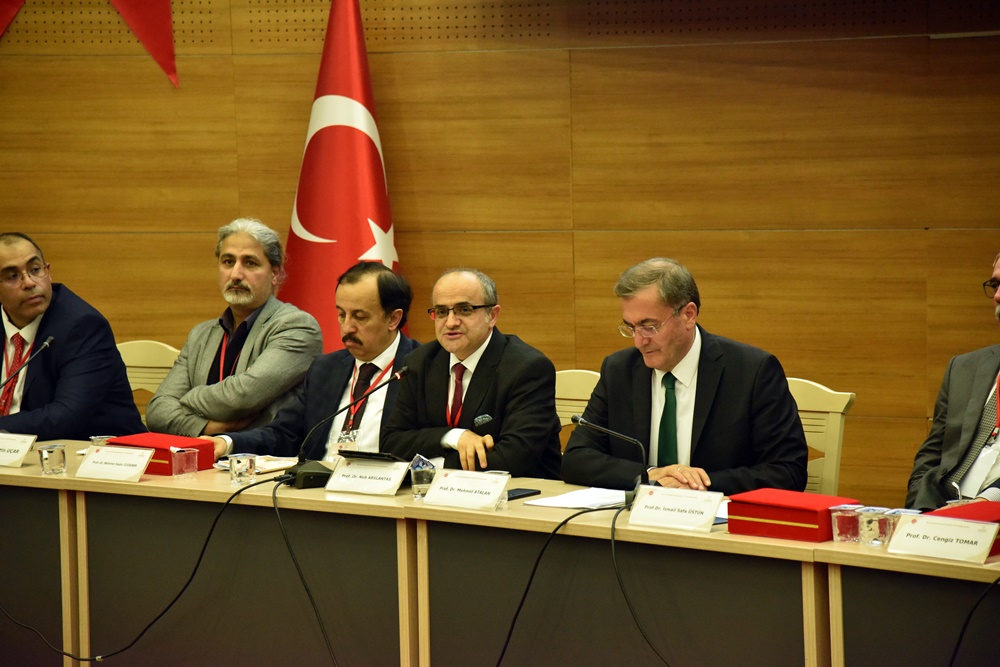
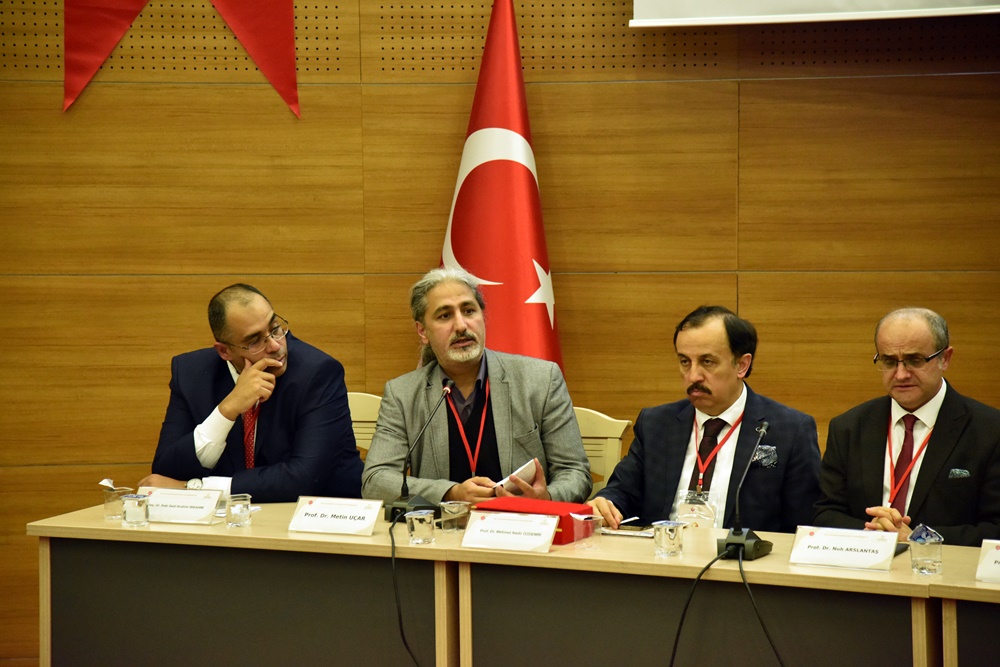
The General Evaluation Session of the Symposium was Held
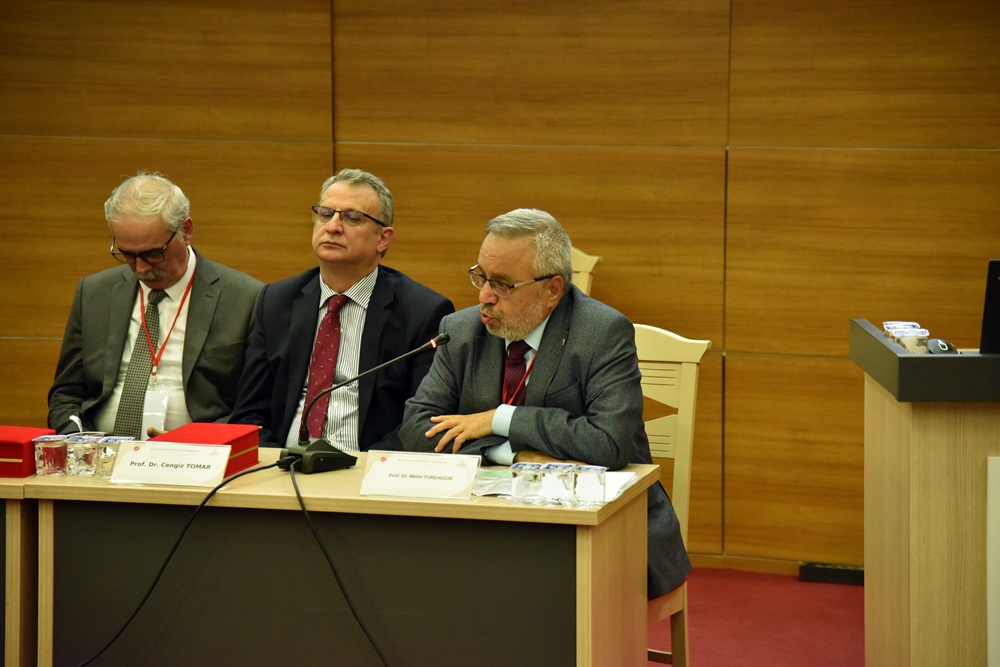
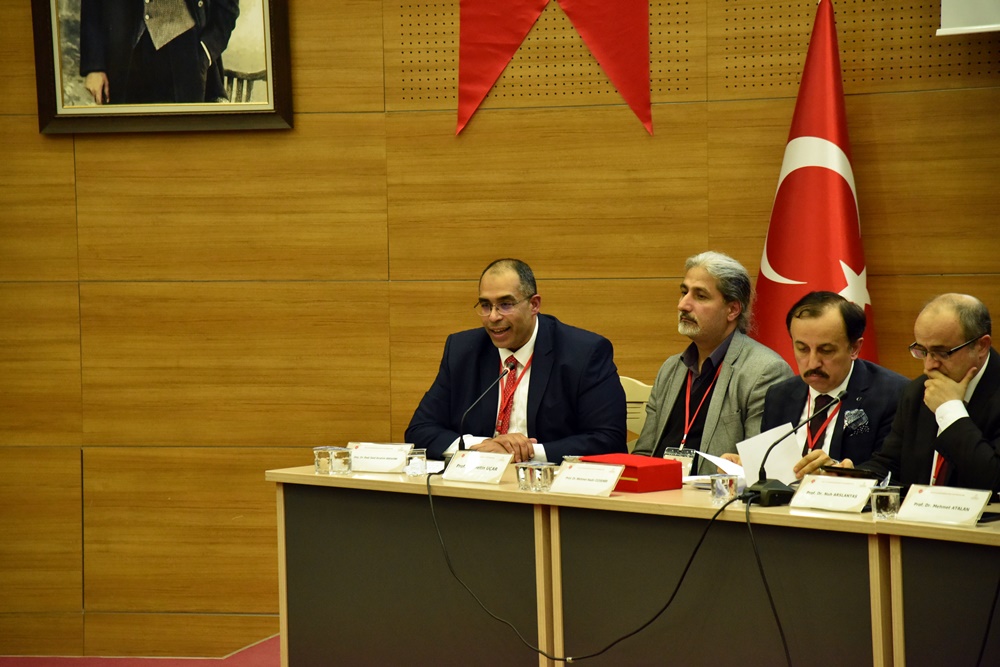
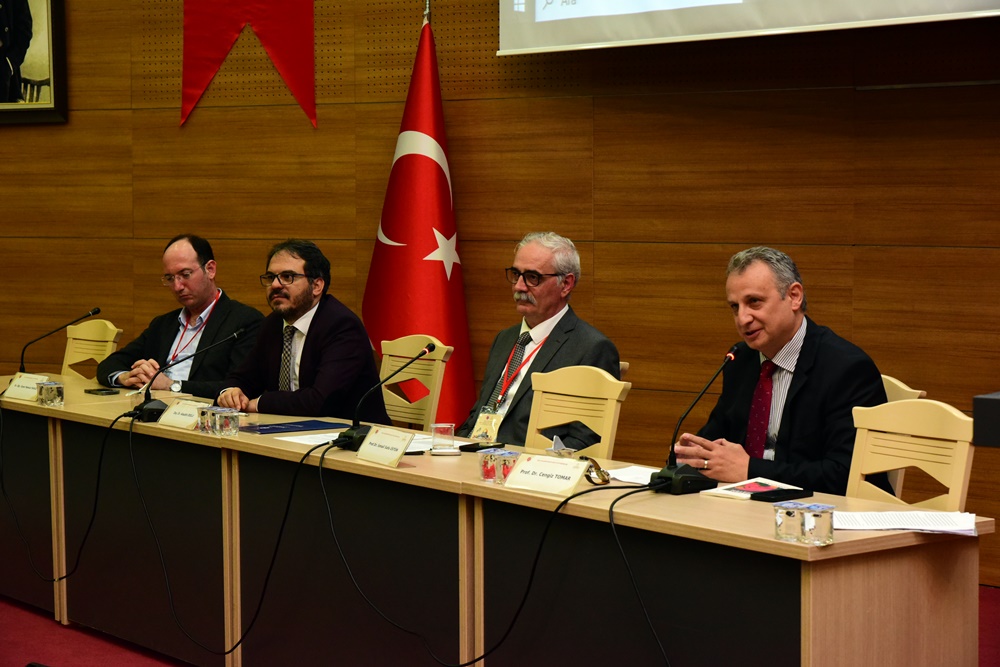
The meeting was attended by Prof. Dr. İsmail Safa Üstün, Dean of the Faculty of Theology at Marmara University, Prof. Dr. Metin Yurdagür, faculty member of our university's Faculty of Theology, Prof. Dr. Cengiz Tomar from IRCICA, Prof. Dr. Nuh Arslantaş, faculty member of the Faculty of Theology at Marmara University, Prof. Dr. Melih Uçar, faculty member of the Faculty of Economics and Administrative Sciences at Hitit University, and Assoc. Dr. İhab Sa’id İbrahim is a faculty member of our university's Faculty of Theology.
In the same session, our university faculty member Prof. Dr. Metin Yurdagür thanked the academics and students who participated in the symposium and concluded his speech by commemorating the mystic Sheikh Şaban-ı Veli from Kastamonu.
After the speech by Prof. Dr. Metin Yurdagür, Assist.Prof.Dr. Ihab Said İbrahim İbrahim, a faculty member of our University, emphasized that the main purpose of the symposium is to create awareness about the Palestinian issue. In his speech, he stated that scientific platforms should draw attention to such humanitarian issues.
The Dean of the Faculty of Theology at Marmara University, Prof. Dr. İsmail Safa Üstün, began his speech by thanking the academics and students of Kastamonu University for the organized event. In his speech, Prof. Dr. Üstün evaluated the West's perspective on the Palestinian issue and shared his views with the participants on why the Western world supports Israel.
Participating from RCICA, Prof. Dr. Cengiz Tomar emphasized that this symposium has put forth an important viewpoint and pointed out the value of making this stance visible and sustainable. Stating that the impact of the conducted studies should be more clearly demonstrated, Prof. Dr. Tomar pointed to the necessity of high-impact, quality, and long-term scientific productions.
Speaking at the session, Prof. Dr. Nuh Arslantaş, a member of the Faculty of Theology at Marmara University, stated that the symposium was held with an intensive and productive program. In his speech, he stated that Israel is making efforts to implement broader plans over the Palestinian territories in the coming years. Pointing out that Israeli society and its political structure are increasingly adopting harsher and more radical attitudes, Prof. Dr. Arslantaş stated that this situation could increase the pressure on the Palestinian people.
Prof. Dr. Melih Uçar, a member of the Faculty of Economics and Administrative Sciences at Hitit University, expressed his satisfaction with the high participation of young researchers in the event. In his speech, Prof. Dr. Uçar emphasized that Palestine is under a multifaceted siege not only physically but also economically and socially, and he stated that this pressure deeply affects daily life. Additionally, noting that he is conducting a dictionary project focused on Palestine, Prof. Dr. Uçar emphasized that even the language used is under occupation.
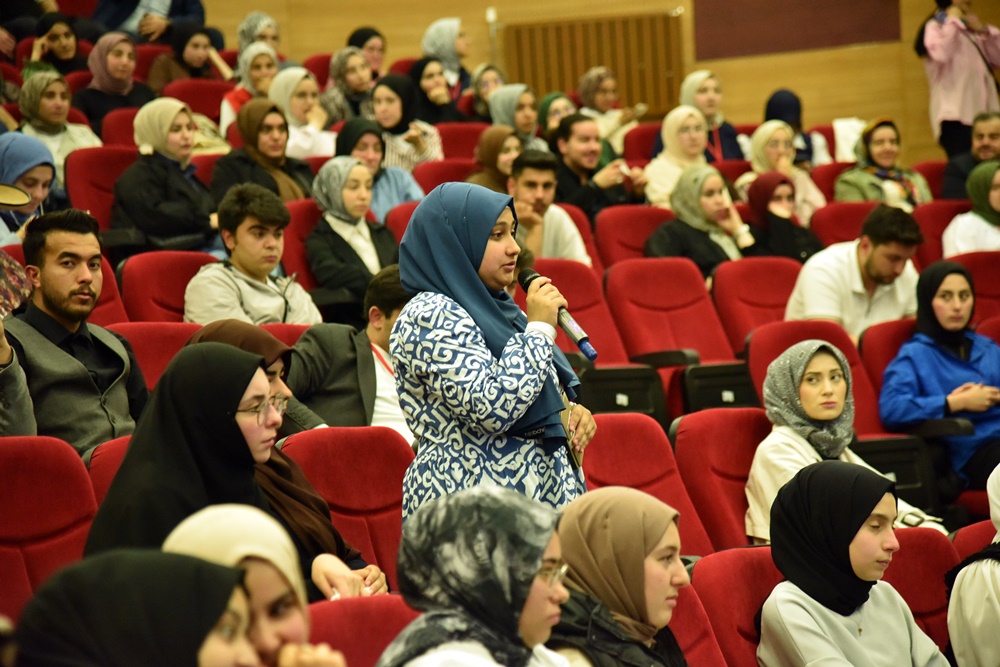
After the general evaluation session, the participants stated that the symposium filled an important gap in the academic field and particularly brought new perspectives to Jerusalem-centered studies. The program concluded with a dinner.
The successful completion of the event was met with great satisfaction in the academic community, and the participants emphasized that the symposium should be continued in the coming years.