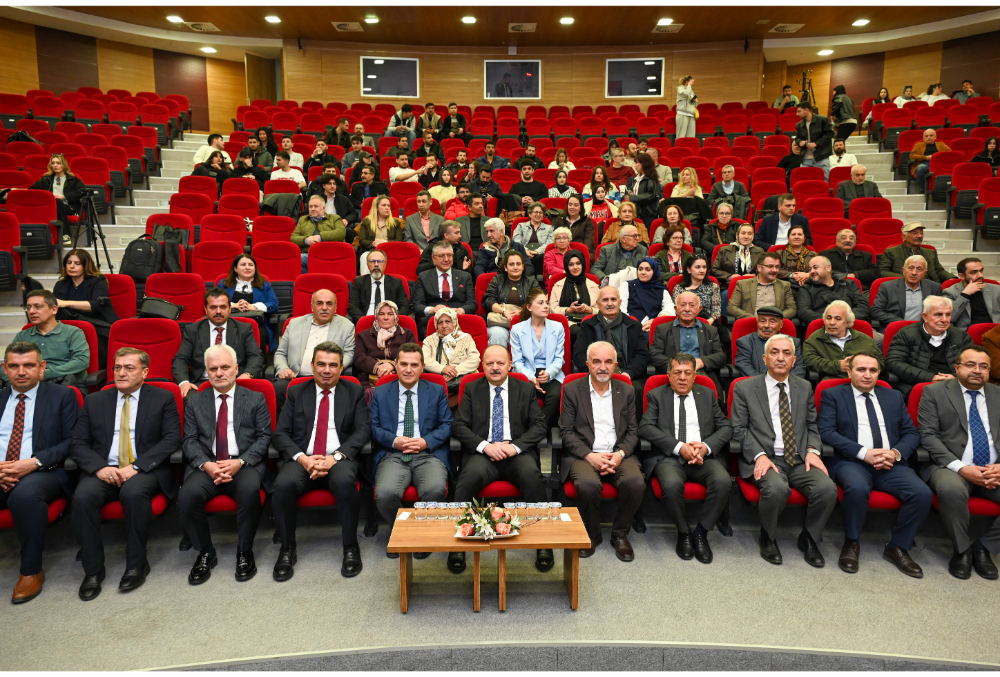
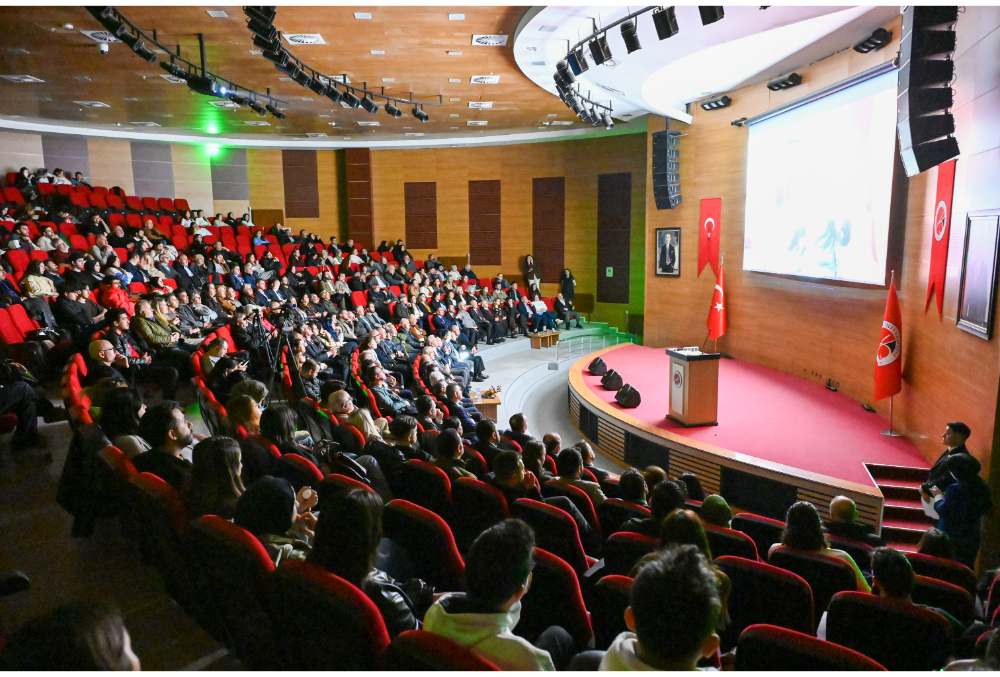
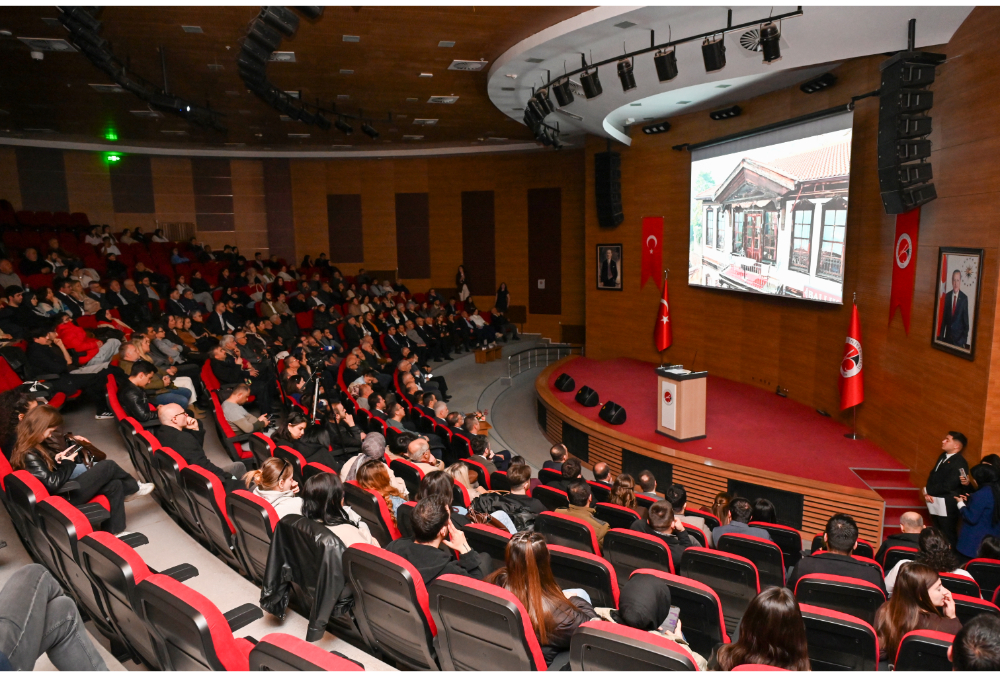
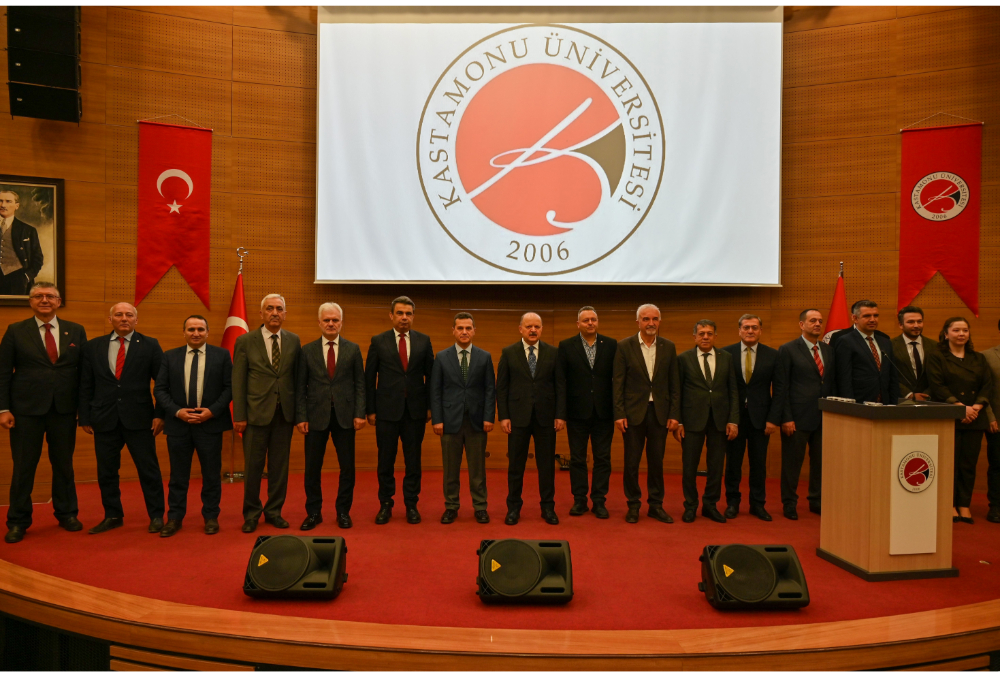
The premiere of the documentary film "The Beauty of Wood," prepared with the support of the Scientific Research Projects Coordination of Kastamonu University, was held on March 30, 2026, in the Sezai Karakoç Hall of our University's Central Library.
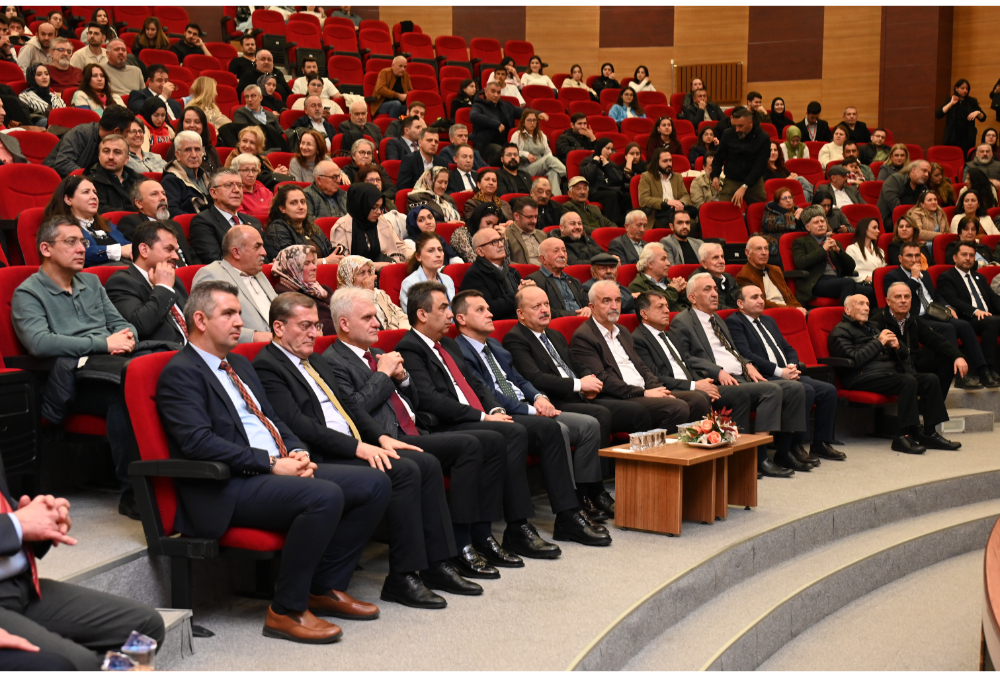
The program held as part of our university's 20th anniversary celebrations was attended by Kastamonu Governor Meftun Dallı, our Rector Prof. Dr. Ahmet Hamdi Topal, our Vice Rectors Prof. Dr. Mehmet Atalan and Prof. Dr. Ömer Küçük, Kastamonu Mayor Hasan Baltacı, Deputy Mayor Hasan Fehmi Taş, as well as many academics, students, and art enthusiasts.
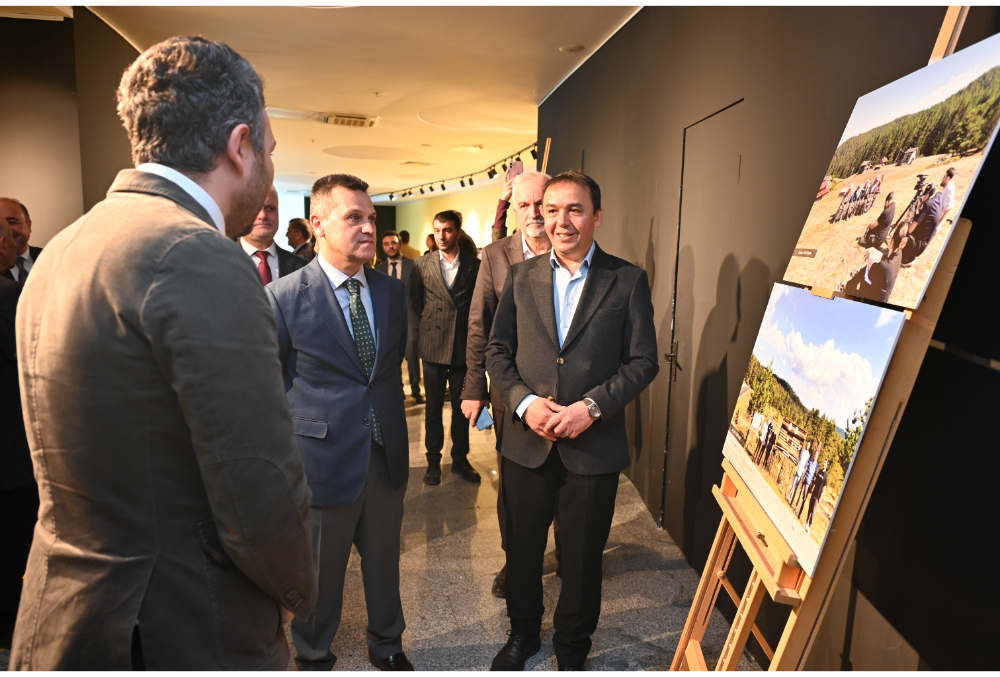
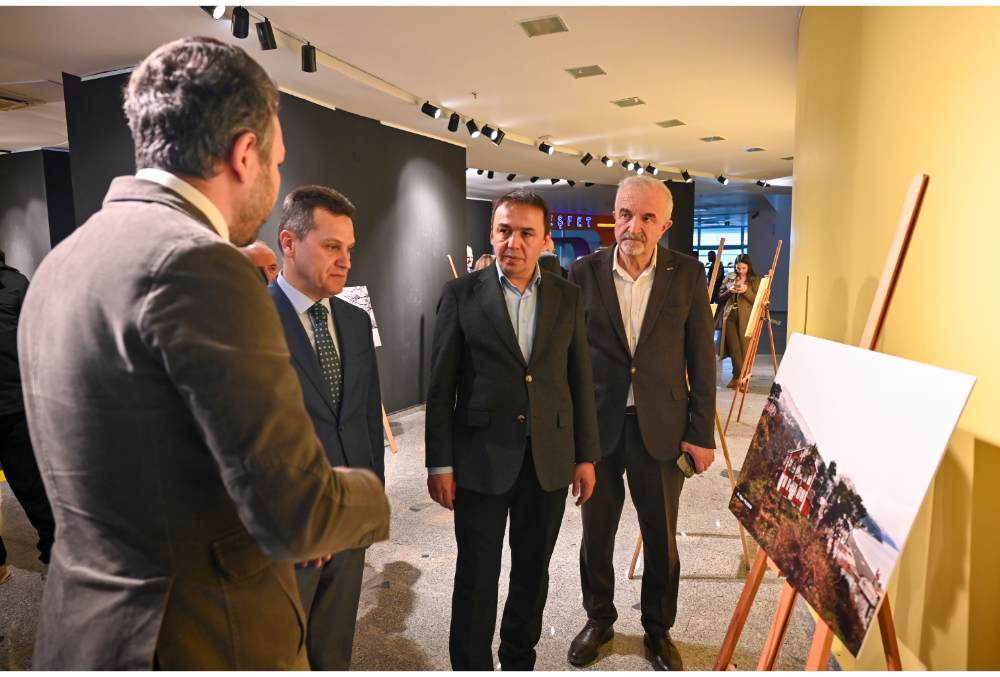
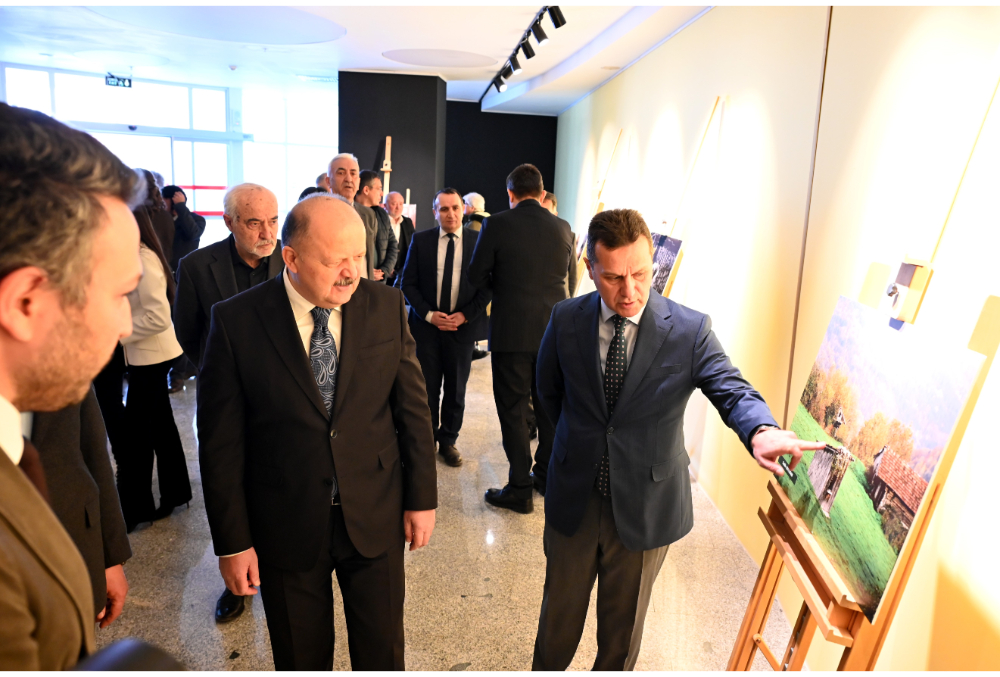
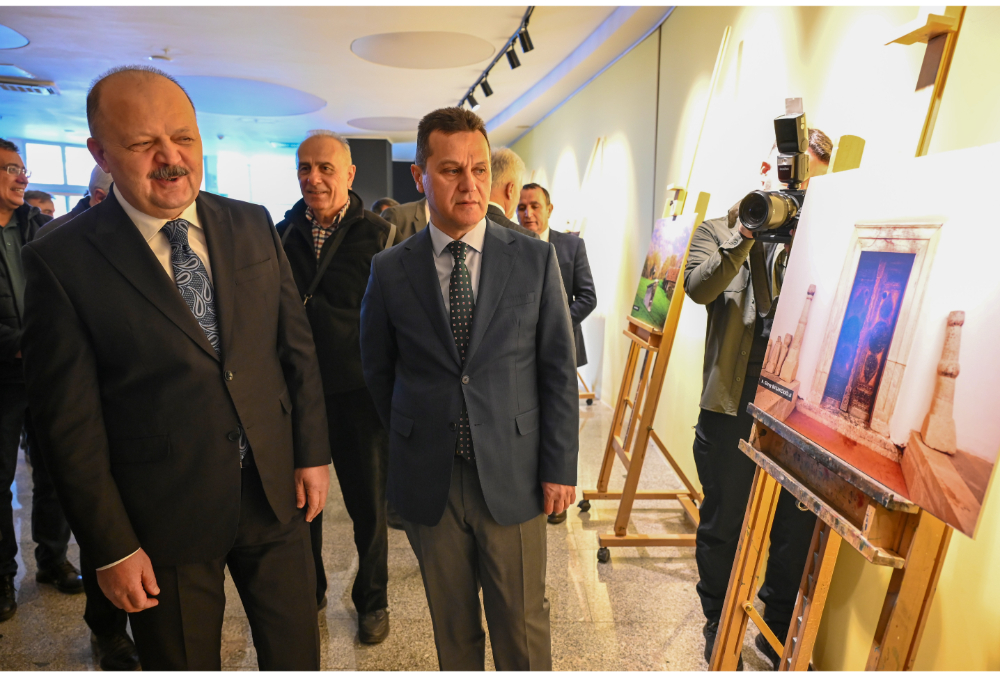
Before the program, Governor Meftun Dallı, our Rector Prof. Dr. Ahmet Hamdi Topal, Kastamonu Mayor Hasan Baltacı, and participants visited the art exhibition in our University Fine Arts Gallery, which depicts the production stages of the documentary. After the exhibition, art enthusiasts proceeded to the hall where the documentary screening would take place.
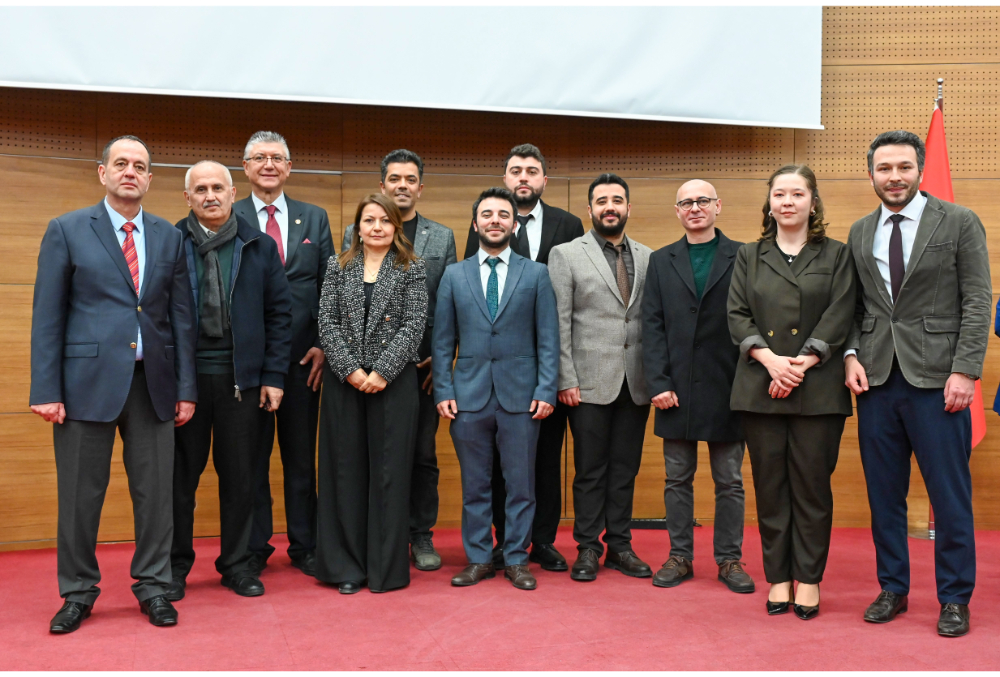
The documentary, produced and directed by Assoc. Prof. Dr. Ersoy Soydan, Head of the Department of Radio, Television, and Cinema at our University's Faculty of Communication, was co-directed by Res. Assist. Salih Ertosun and Mehmet Oğuz Yıldırım. The screenplay of the production, with the cinematography by Res. Assist. Salih Ertosun, was prepared by Assoc. Prof. Dr. Ersoy Soydan, Research Assistant Abdullah Güray Basakcıoğlu, Res. Assist. Güzide Kayıtmazbatır, and Res. Assist. Mehmet Erol.
The documentary, which took two years to produce, was narrated by theater artist and director Rıza Sönmez, while a wide advisory team consisting of faculty members from our University's Faculty of Tourism, Faculty of Fine Arts and Design, and Faculty of Forestry contributed to the project.
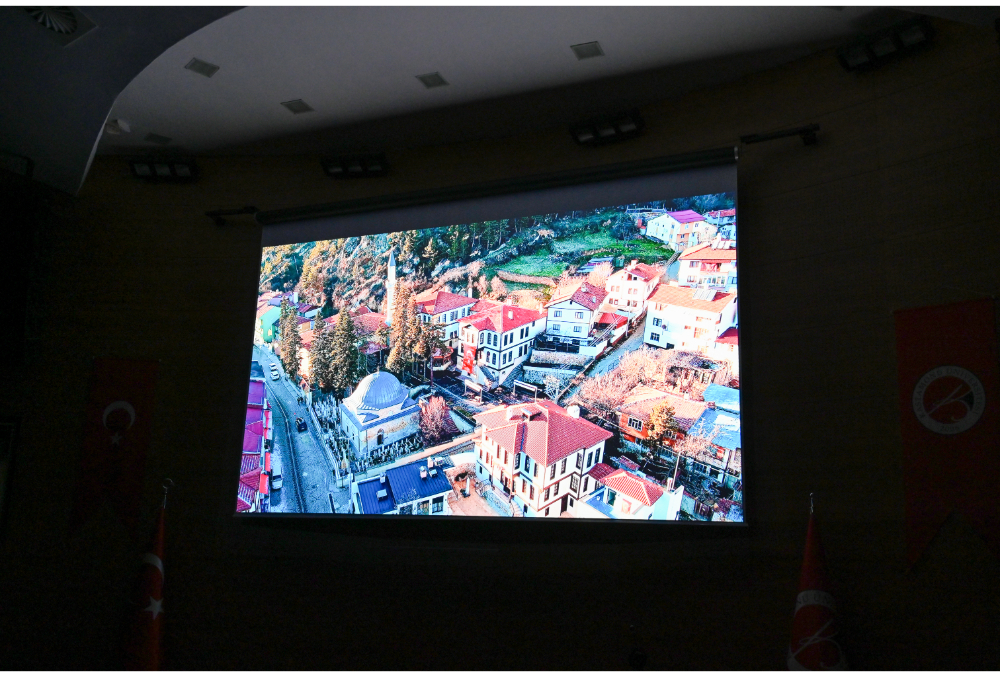
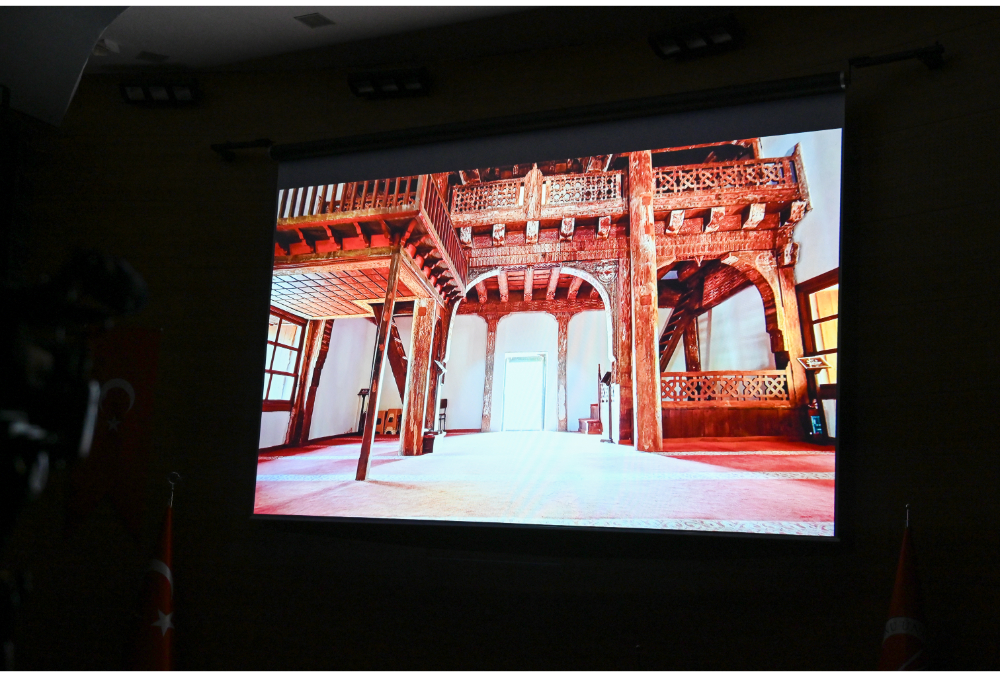
During the two-year filming process, the city center, districts, and villages of Kastamonu were visited, and historical mansions, mosques, vineyard houses, and highland life were documented. The main themes of the documentary were the houses of İnebolu, the gümele houses of Tosya, and traditional architectural examples, with the Mahmut Bey Mosque in Kasaba Village, which is on the UNESCO World Heritage List, being the primary focus.
The documentary, while addressing the usage areas of wood ranging from civil architecture to religious structures, daily life to handicrafts, also emphasizes the necessity of preserving, repurposing, and promoting historical buildings for tourism.
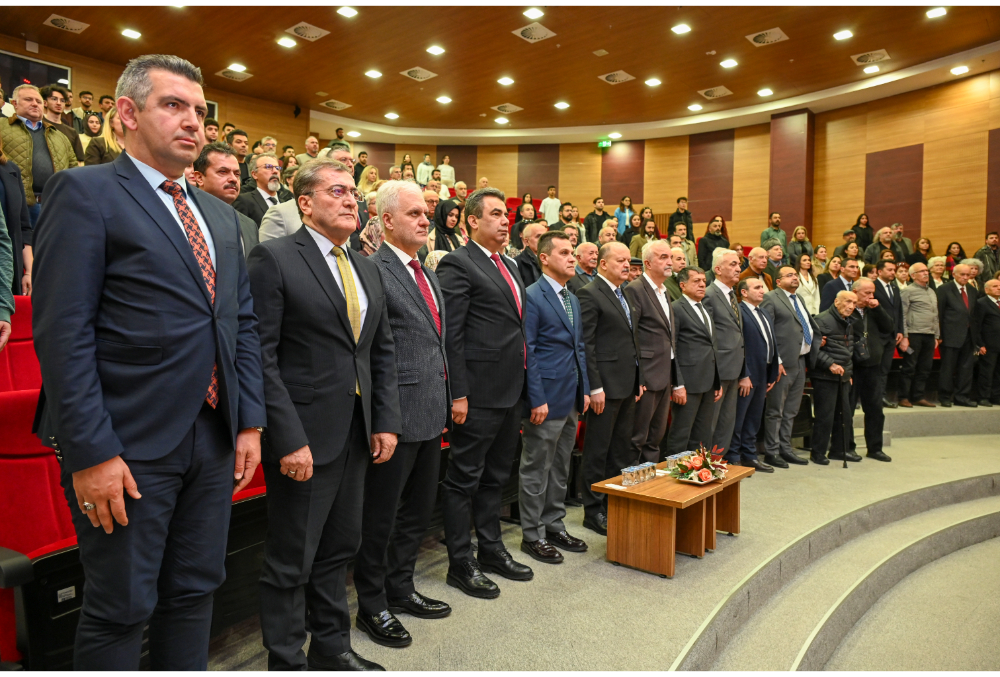
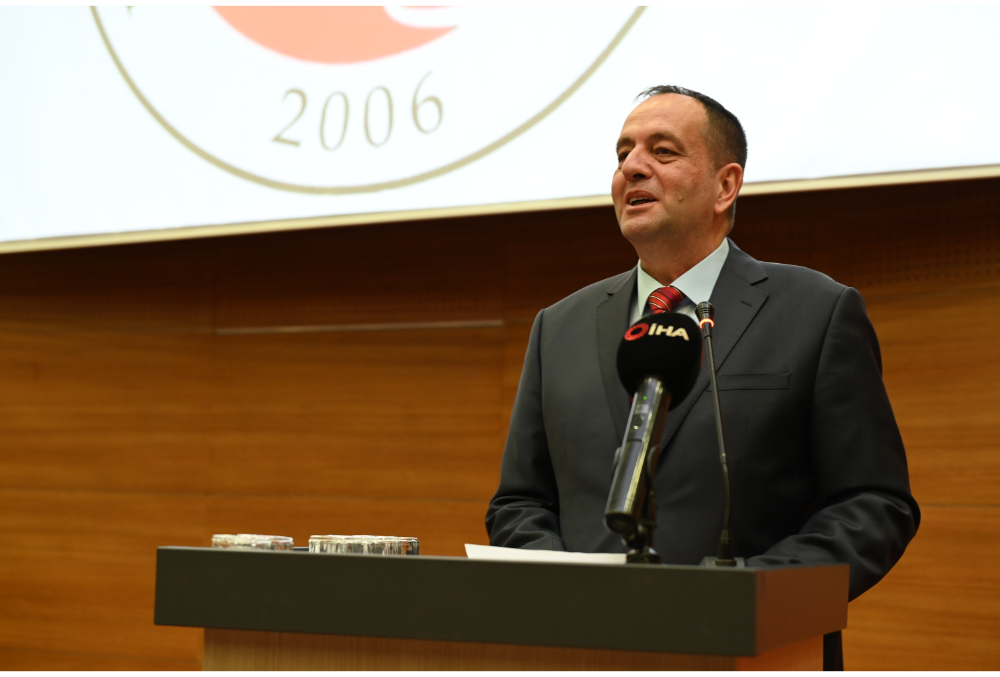
The program, which began with a moment of silence and the reading of the National Anthem, was opened by the documentary's director, Assoc. Dr. Ersoy Soydan. In his speech, Assoc. Dr. Soydan stated that the project is not just a documentary/film work, but also a documentation process that carries cultural responsibility.
Assoc.Prof. Dr. Soydan stated that they traveled thousands of kilometers to different locations in Kastamonu to conduct their shoots as a team. Saying, "We think we owe a debt to the city we live in and are satisfied with," Assoc.Prof. Dr.Soydan said they aimed to record the wooden architecture, natural riches, and cultural memory of Kastamonu. He stated that they aimed to both increase the awareness of cultural heritage and contribute to the international promotion of the city.
Emphasizing that there are 1,433 registered examples of civil architecture throughout the city and that these should be preserved and carried into the future, Assoc. Dr. Soydan highlighted that they initiated this project with the aim of documenting wooden architecture and natural assets, contributing to regional development, and raising awareness of cultural heritage.
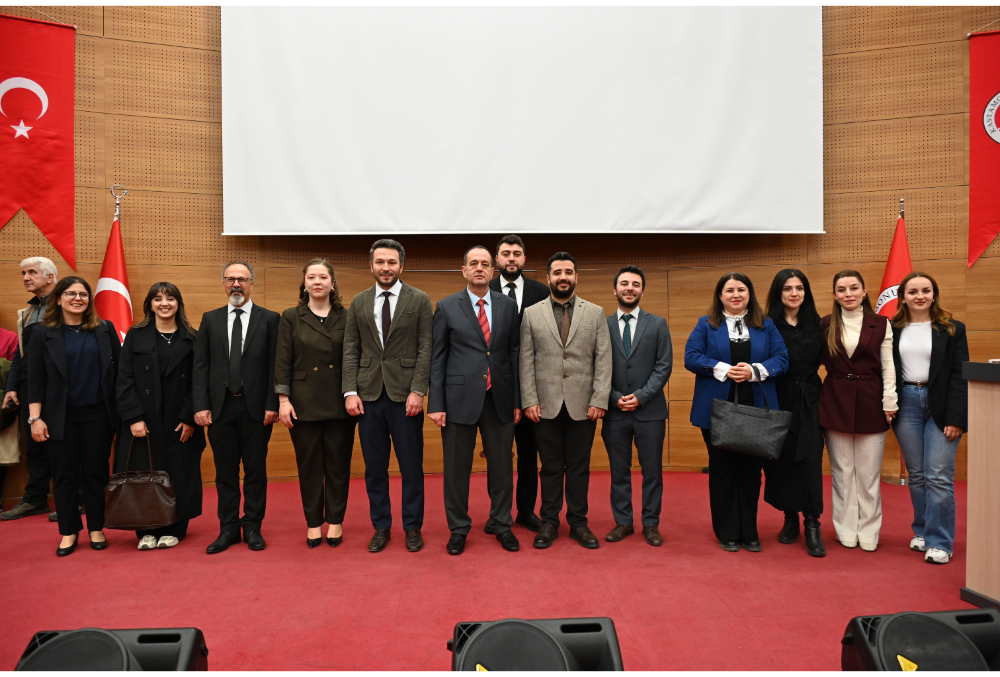
The program concluded with a film screening and a group photo session following the opening speech.