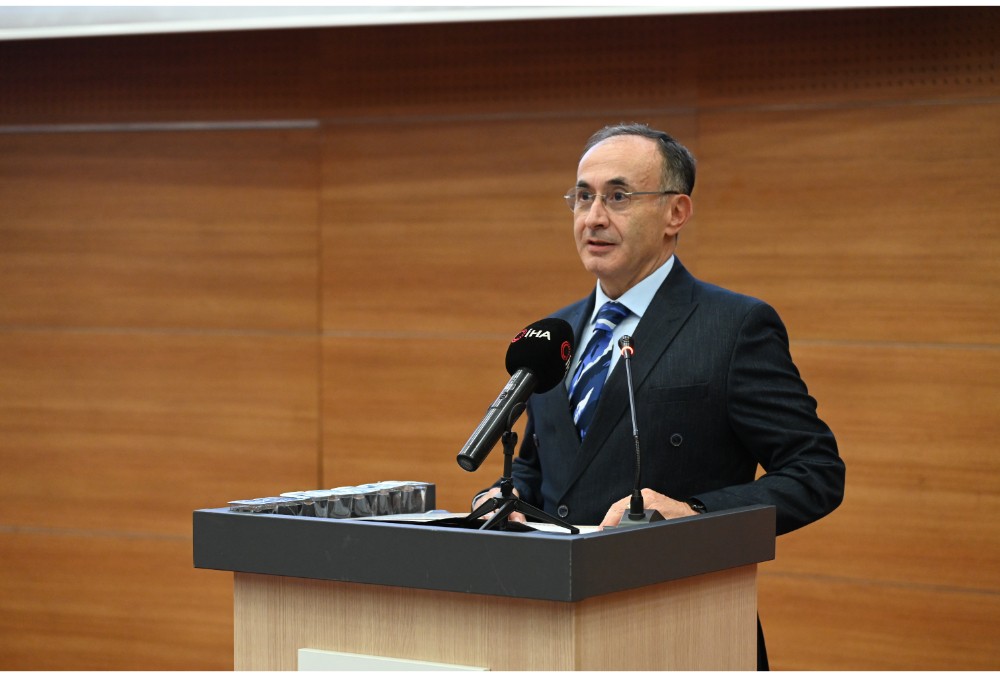
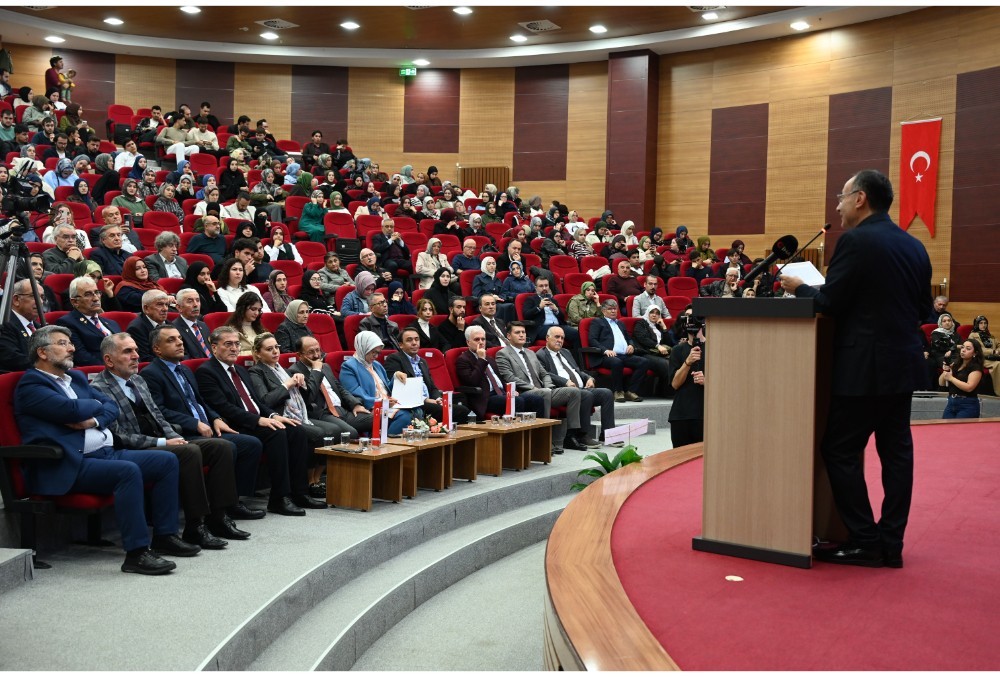
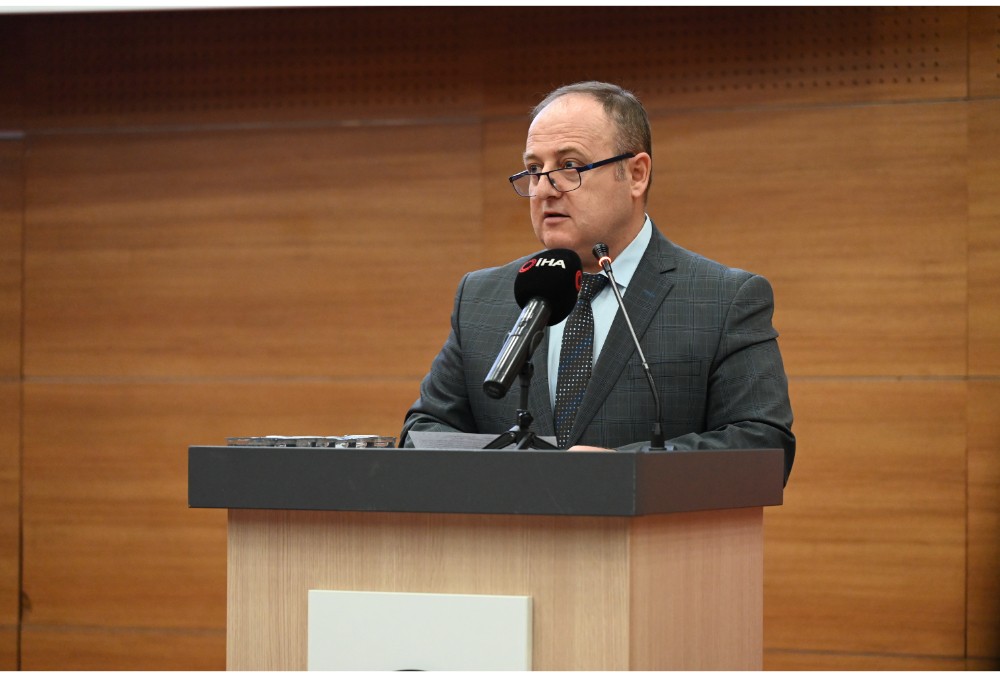
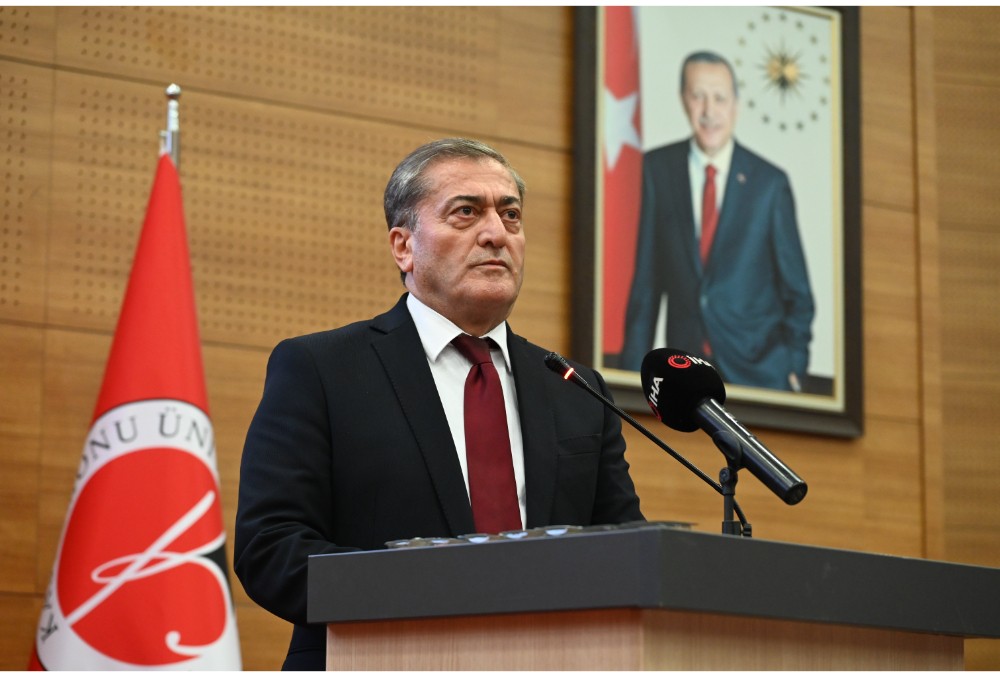
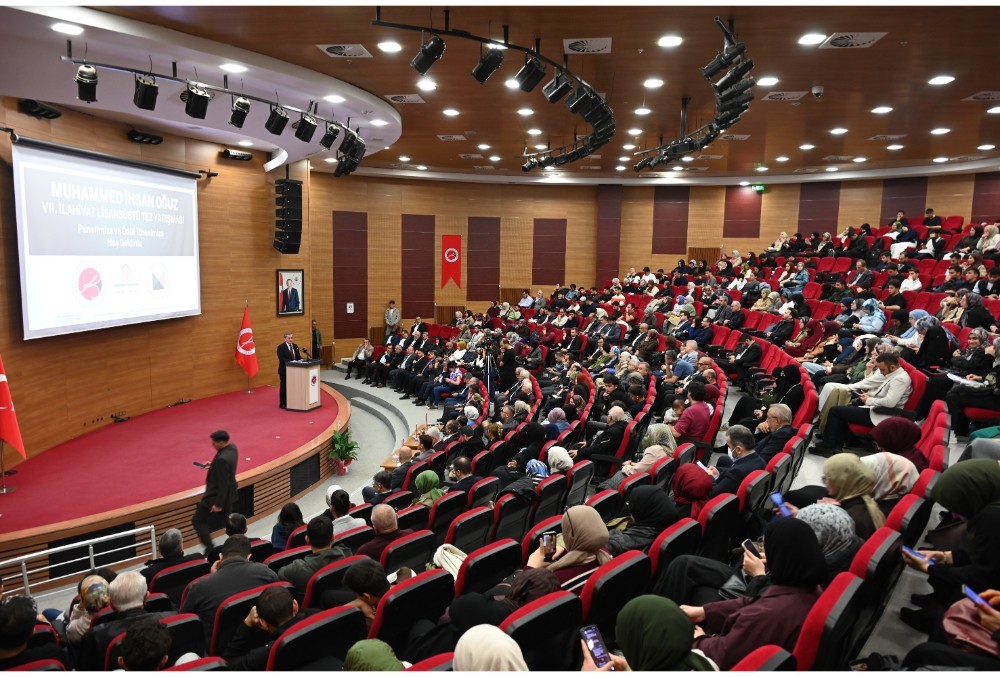
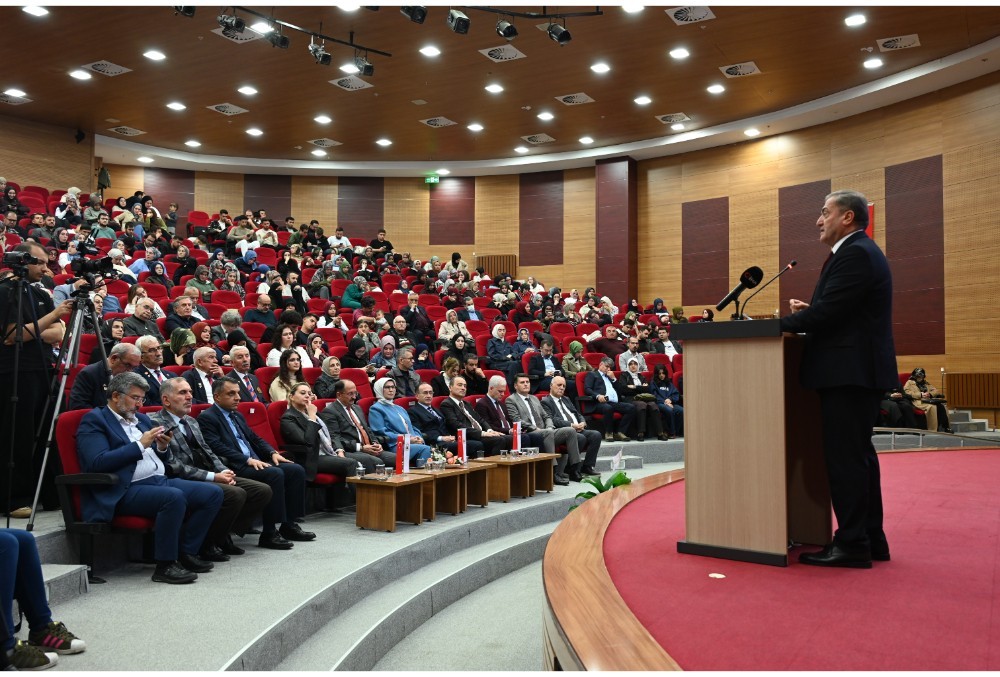
The 7th Muhammed İhsan Oğuz Theology Graduate Thesis Competition, organized by the Muhammed İhsan Oğuz Application and Research Center of Kastamonu University with the support of the Muhammed İhsan Oğuz Foundation, had researchers who ranked in the master's and doctoral categories of the Theology Graduate Thesis Competition present their studies in a panel and received their awards in a ceremony.
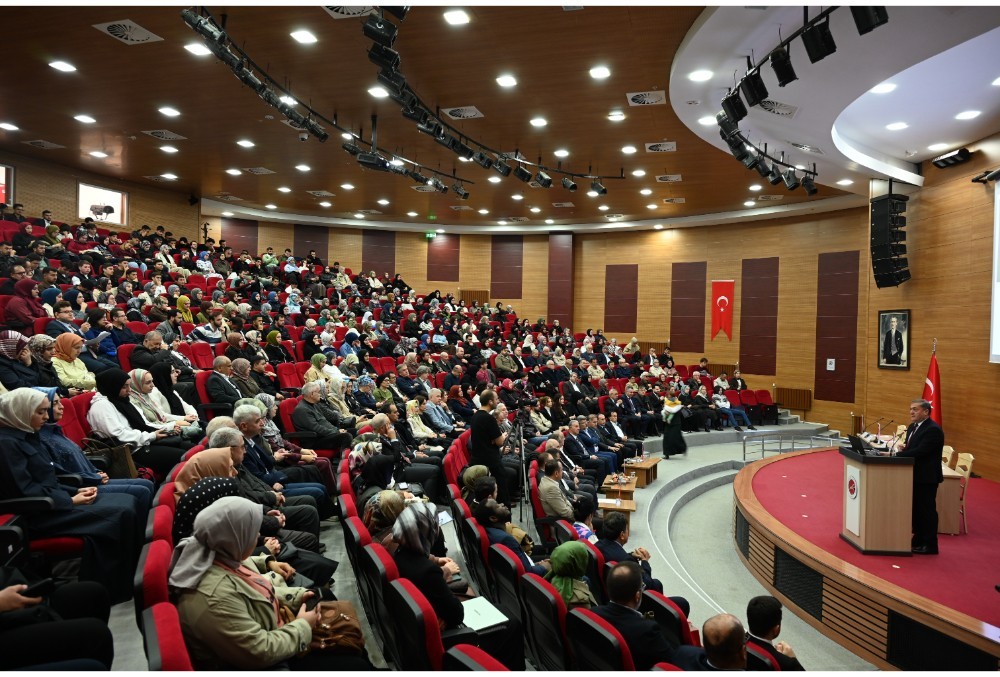
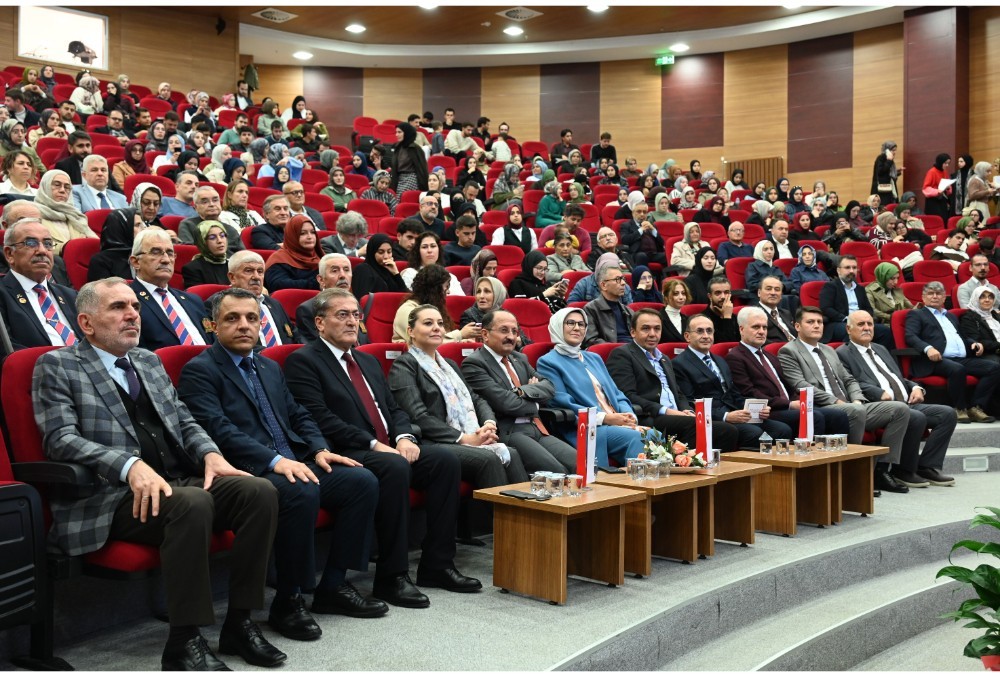
On Monday, October 19, 2026, a panel was held in the Sezai Karakoç Hall of our University Central Library, attended by the Rector and the Dean of the Faculty of Theology, Prof. Dr. Mehmet Atalan; Vice Rector of İstanbul 29 Mayıs University Prof. Dr. İlyas Çelebi; Vice President of the Muhammed İhsan Oğuz Foundation, M. İhsan Oğuz, representatives of public institutions and organizations; academics; and students.
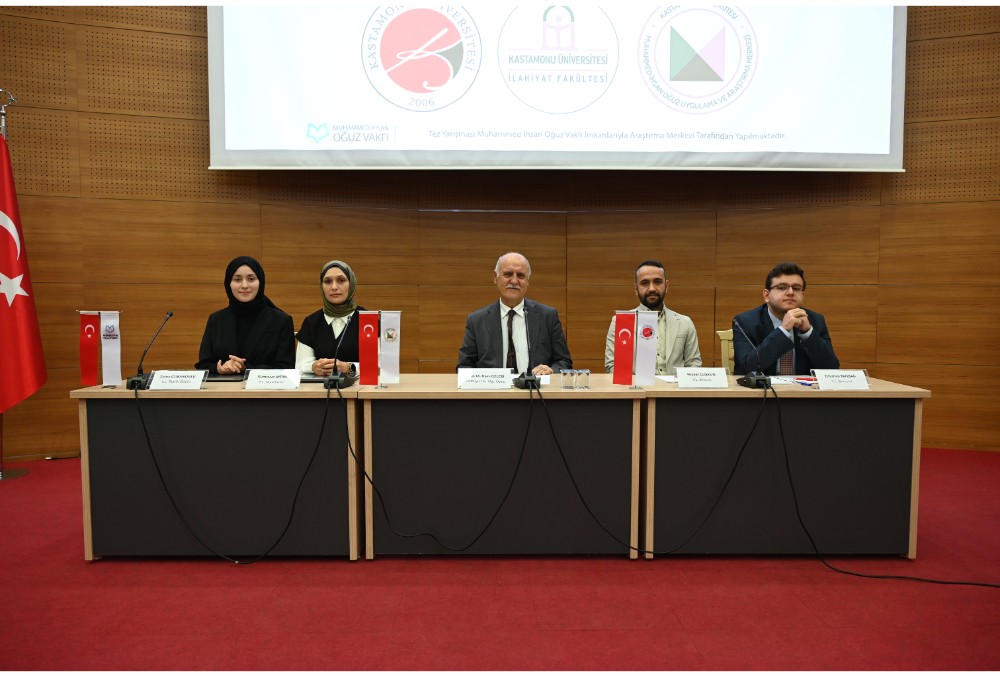
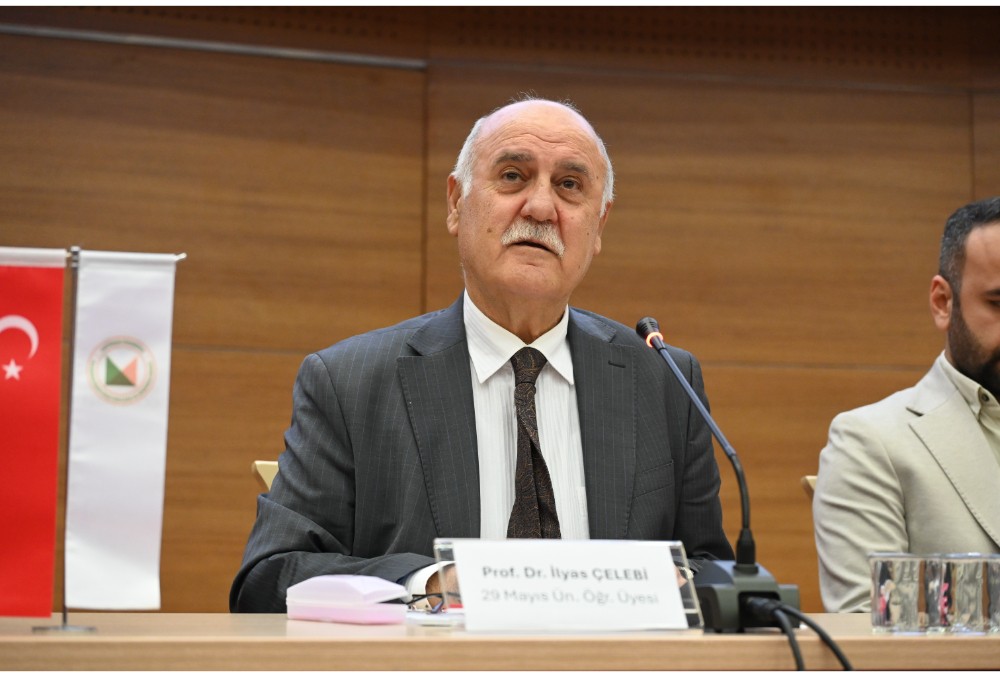
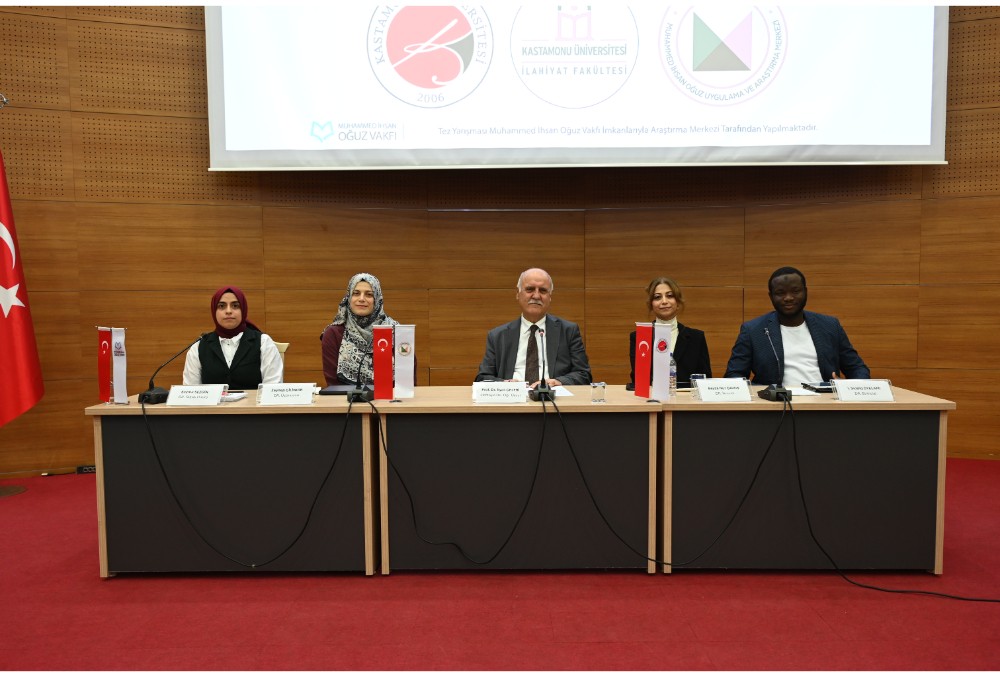
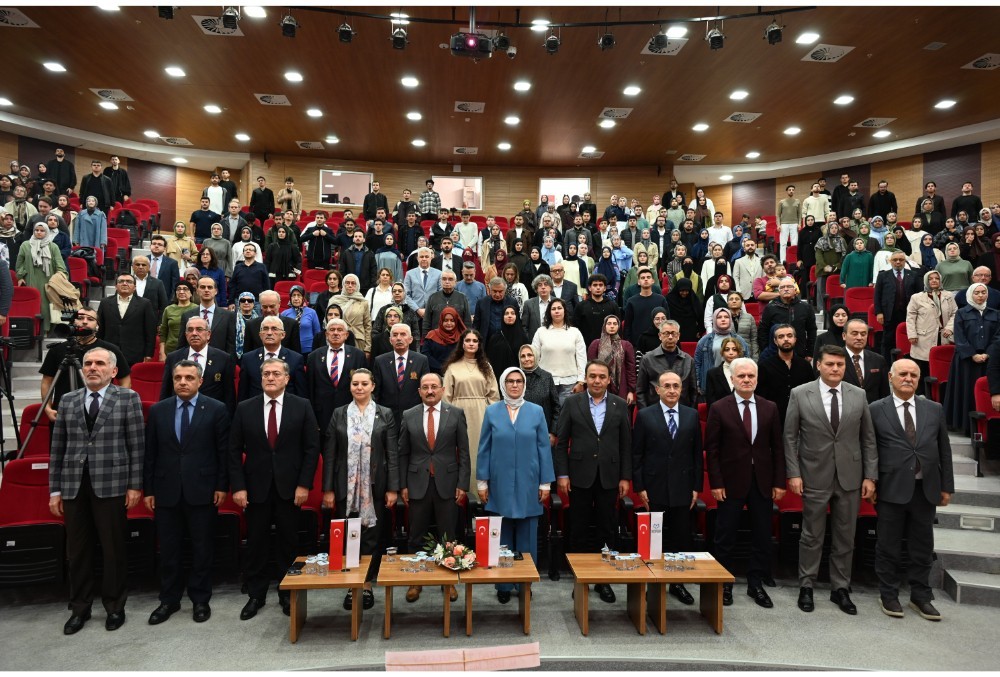
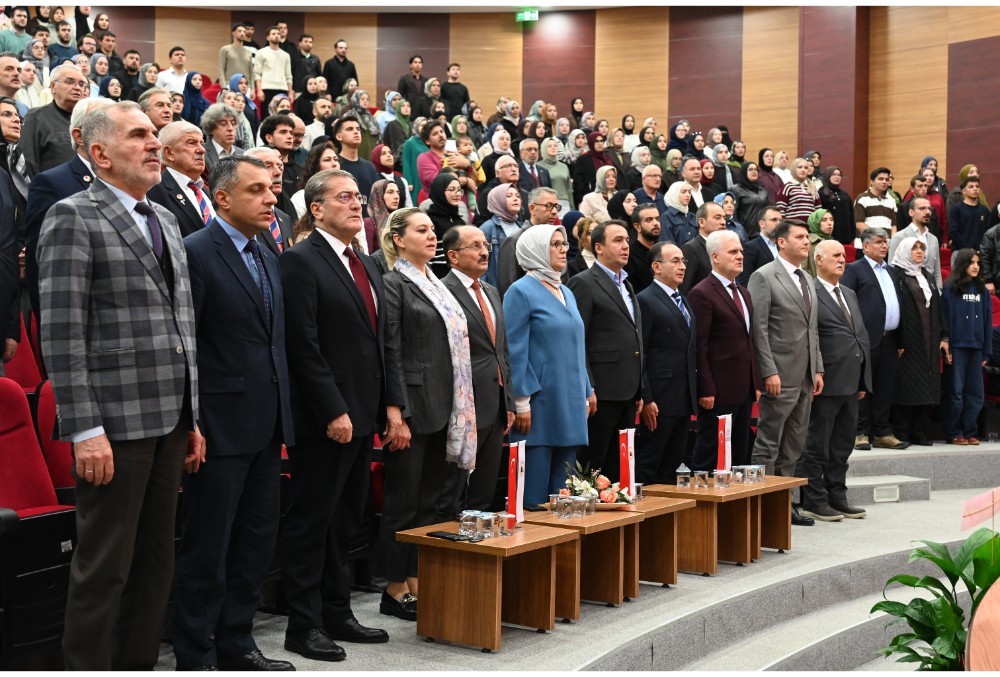
The panel began with a moment of silence and the National Anthem. Prof. Dr. Atalan and Prof. Dr. Osman Demir delivered the opening speeches on behalf of the Science Board. Çelebi took over as the moderator of the panel.
Speaking on behalf of the Science Board, Prof. Dr. Osman Demir provided information to the participants about how the competition process was conducted. Demir explained the method followed in evaluating the applications and the stages in which the Science Board and jury members participated.
In his speech, Prof. Dr. Atalan stated that the value of the panel lies not only in sharing research results but also in thinking together about these results. Prof. Dr. Atalan described the graduate thesis as an important stage where the researcher undertakes scientific responsibility. Prof. Dr. Atalan said, "The scientific quality of a thesis largely depends on how researchers fulfill this responsibility." Touching on the efforts of the advisors, Atalan thanked them and called on young researchers to convert the appropriate sections of their theses into scientific publications.
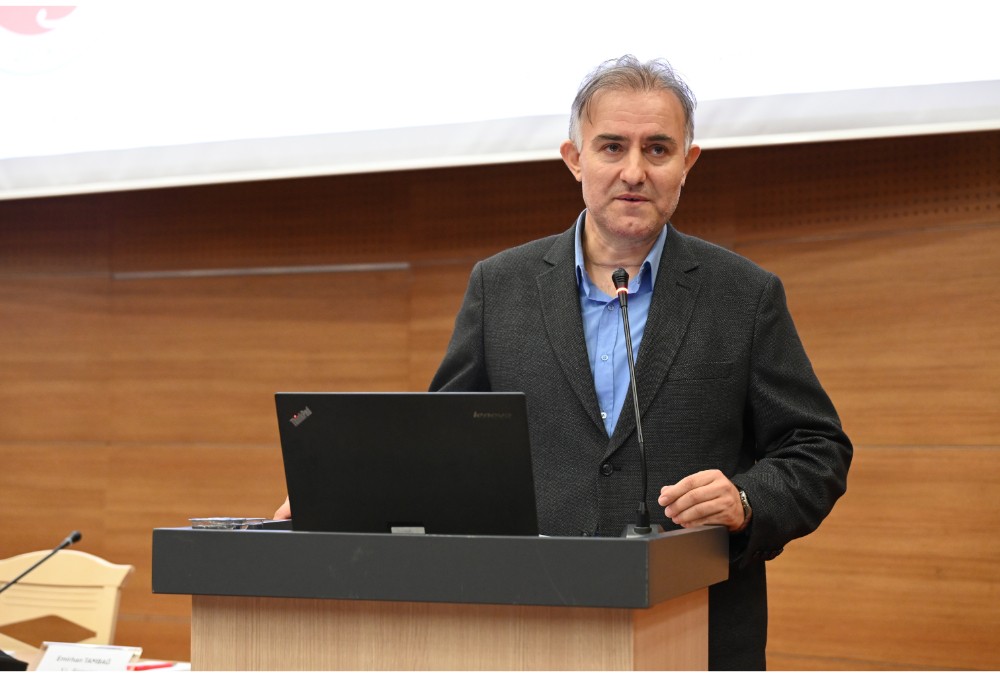
At the opening ceremony, Prof. Dr. Çelebi congratulated the award-winning researchers and emphasized the great value of their work. Emirhan Tambağ, who was awarded first place in the master’s category, presented his thesis titled “A Narrative-Based Analysis of the Claim of a Miracle in Surah Rum.” Veysel Coşkun, who placed second, presented his work titled “The Problem of the Necessity of a Cause in Later-Period Kalām”; Sümeyye Aydın, who placed third, presented “An Ethical and Fiqh Approach to Assisted Reproductive Technology: In Vitro Gametogenesis (IVG)”; and Zehra Çobanoğlu, who received the encouragement award, discussed her work titled “Speaking About God: A Comparison Between Ash’ari Theologians and Thomas Aquinas in the Context of Theological Language.”
Ifeoluwa Siddiq Oyelami, who won the first prize in the doctoral category with her thesis "Boko Haram’s Approach to the Quran in Their Discourse and Actions," Beyza Nur Çavuş, who came in second with "The Phenomenology of Naturalized Consciousness," and Zeynep Çilingir, who came in third with "The Neoliberal Subject Construction in Lebanese Children's Literature," presented their theses. Şeyma Sezgin, who received an encouragement award, shared her work titled "The Transformation of Disney Pedagogy: An Examination of the Changing Representations of Religion, Morality, and Culture in Animated Cinema."
After the panel, the award ceremony held in the Sezai Karakoç Hall as part of the second section of the program was attended by Deputy Governor Aydın Ergün, Kocaeli Deputy Radiye Sezer Katırcıoğlu, and Kastamonu Deputy F. Serap Ekmekci, Kastamonu Mayor Hasan Baltacı, Bar Association President Atty. Özgür Demir, Rector and Dean of the Faculty of Theology Prof. Dr. Mehmet Atalan, Vice Rector Prof. Dr. Ömer Küçük and Prof. Prof. Dr. Selahattin Kaymakcı, Vice Rector of İstanbul 29 Mayıs University Prof. Dr. İlyas Çelebi, Deputy Mayor Ahmet Üstün Göksoy, Vice President of the Muhammed İhsan Oğuz Foundation M. A large number of guests, academics, and students attended with İhsan Oğuz.
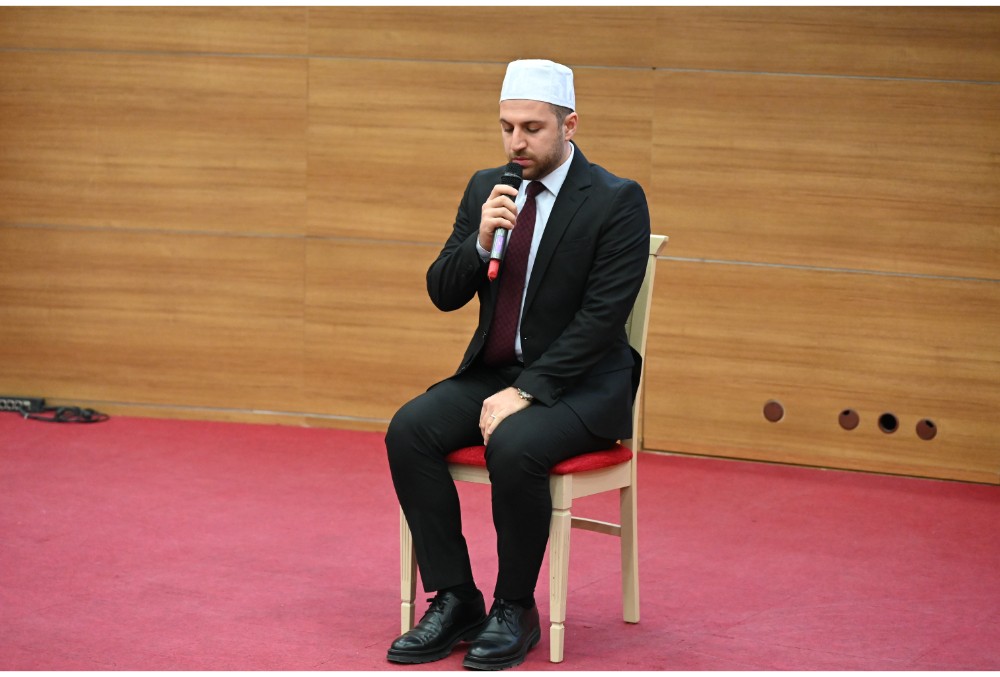
The ceremony began with a moment of silence and the singing of the National Anthem, followed by a recitation from the Holy Quran by Taha Kanbolat, a student at the Faculty of Theology. The program featured speeches by, in order: Vice President M. İhsan Oğuz on behalf of the Muhammed İhsan Oğuz Foundation; Assoc. Prof. Dr. Mustafa Aykaç, Director of the Muhammed İhsan Oğuz Application and Research Center; Vice Rector and Dean of the Faculty of Theology Prof. Dr. Mehmet Atalan; Kastamonu Member of Parliament F. Serap Ekmekci; and Kocaeli Member of Parliament Radiye Sezer Katırcıoğlu each delivered a speech.
M. İhsan Oğuz, Vice President of the Muhammed İhsan Oğuz Foundation, highlighted in his speech the importance of promoting works from the Islamic scholarly tradition and incorporating them into the academic literature. Noting that the Foundation continues to support the work of scholars and to publish high-quality works, Oğuz announced that the call for entries for the eighth Graduate Thesis Competition in Islamic Studies will be issued next month.
Oğuz, who also touched on the foundation’s international activities, said that approximately 4,000 books had been donated to the Center for Islamic Science and Culture, which operates within a university in Kazakhstan, and that among the books were works by Muhammed İhsan Oğuz that had been translated into the Turkmen language of Turkmenistan. Oğuz noted that two works accepted by TÜBİTAK are slated to be published through the foundation once the process is completed. He expressed his gratitude to our University for its contribution to organizing the competition, to Assoc. Prof. Dr. Mustafa Aykaç, Director of the Muhammed İhsan Oğuz Application and Research Center, to the members of the scientific committee, and to the academics who contributed to the project.
Assoc. Prof. Dr. Mustafa Aykaç, Director of the Muhammed İhsan Oğuz Application and Research Center, noted in his speech that the number of applications for the Graduate Thesis Competition in Islamic Studies has increased over the years. Aykaç reported that the number of thesis submissions, which stood at 60 in the first competition, reached a total of 222 this year—comprising 122 master’s theses and 100 doctoral dissertations—and noted that 75 academics contributed to the evaluation process as members of the scientific committee and the jury. Aykaç explained that the competition was conducted in two stages, adding that the theses were evaluated by academics specializing in the relevant fields according to predetermined criteria.
Aykaç, who also clarified frequently asked questions regarding the evaluation process, noted that approximately 98 percent of the jury and scientific committee members are affiliated with various universities. Emphasizing that the ranking of the theses was not based on the field of study or the gender of the participants, Aykaç stated, “The ranking of the theses and the award categories are determined entirely by the jury’s scores.” Noting that the results were determined by very close scores and that many theses that did not place were also of award-worthy quality, Aykaç thanked the organizing committee, researchers, foundation administrators, and university administration for their contributions to the competition.
In his speech at the awards ceremony, Vice Rector and Dean of the Faculty of Theology Prof. Dr. Mehmet Atalan addressed the relationship between sharia, tariqa, and haqiqa, drawing on Muhammad Ihsan Oğuz’s work *Nûrü’l-İzah*. Noting that these concepts should not be viewed as separate from one another but rather as elements that complement religious life, Atalan explained that Oğuz illustrated this relationship using the metaphor of a tree, flowers, and fruit. Atalan laid out the foundation of this approach by stating, “Sharia is like a tree, tariqa is like its flowers, and haqiqa is like its fruit.”
Atalan, stating that it is incorrect to reduce Sharia to mere outward appearances and truth to the inner world, pointed out that spiritual maturity does not eliminate religious responsibilities. Noting that, in Oğuz’s thought, knowledge, worship, and morality complement one another, Atalan emphasized that no opposition can be established between knowledge and Sufism. Noting that spiritual experiences may hold personal value but cannot be considered binding religious evidence for everyone, Atalan stated that the Quran, the Sunnah, ijma’ (consensus), and qiyas (analogy) are the fundamental criteria for evaluating religious matters. At the conclusion of his speech, Atalan thanked those who contributed to organizing the competition and those who supported the work of young researchers.
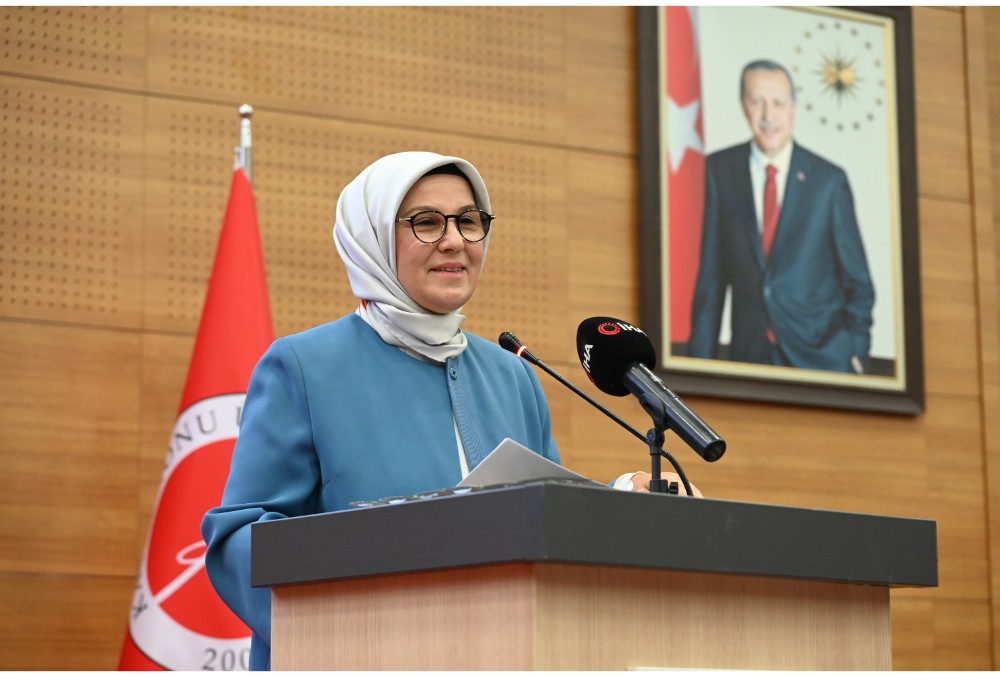
In her speech, Fatma Serap Ekmekci, Member of Parliament for Kastamonu, congratulated the young researchers who placed in the competition and noted that their work would serve as a guide for future generations. Highlighting the importance of preserving the scholarly legacy of Muhammed İhsan Oğuz, Ekmekci expressed her satisfaction, as a native of Kastamonu, that this legacy would be passed on to future generations. Ekmekci also touched on Oğuz’s ideas regarding individuals taking responsibility for themselves, emphasizing the importance of knowledge, ethics, and spiritual responsibility.
Drawing attention to Kastamonu’s tradition of scholarship and wisdom, Ekmekci noted that scholars guide societies and stated that societies deprived of knowledge may lose their opportunities for development. Noting that Muhammed İhsan Oğuz’s works have reached people in various regions, Ekmekci emphasized the importance of preserving his scholarly and spiritual legacy. Ekmekci concluded his remarks by thanking those who contributed to the organization of the program.
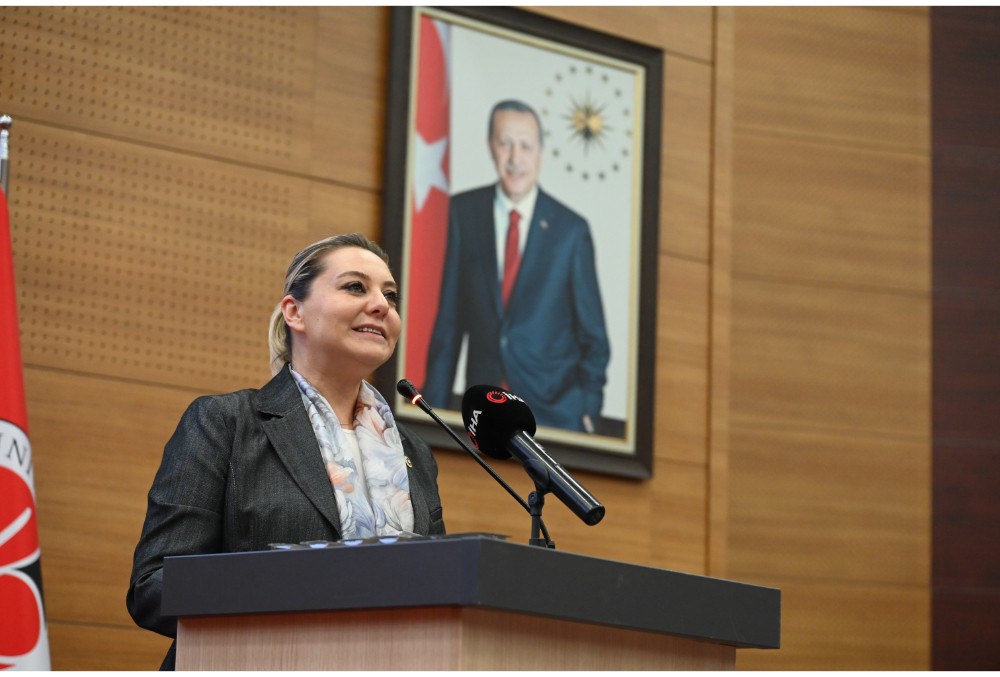
In her speech, Kocaeli Member of Parliament Radiye Sezer Katırcıoğlu emphasized that scholarship must go beyond the mere acquisition of knowledge and be integrated with ethics and wisdom. Noting that Muhammed İhsan Oğuz left behind an exemplary legacy not only through his works but also through his thoughts and way of life, Katırcıoğlu said, “Some people do not merely leave behind works; they also leave behind a guiding principle, a moral legacy, and a legacy of the heart.” Expressing that knowledge gains value when integrated with ethics, Katırcıoğlu highlighted the importance of faith being reflected in daily life and human relationships.
Addressing young researchers as well, Katırcıoğlu emphasized that scientific research must be conducted with a sense of responsibility toward society and with the aim of benefiting humanity. Emphasizing the importance of passing on the scientific and spiritual legacy of Muhammed İhsan Oğuz to future generations, Katırcıoğlu conveyed his best wishes for the researchers’ success with the words, “May your pen never stray from knowledge, your mind from science, and your heart from compassion.”
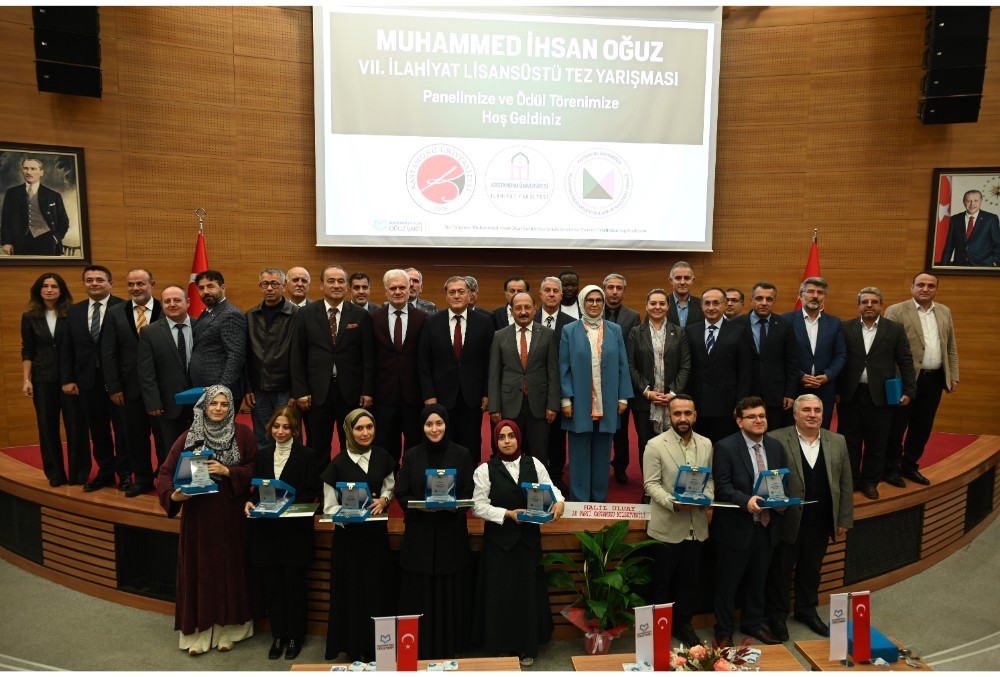
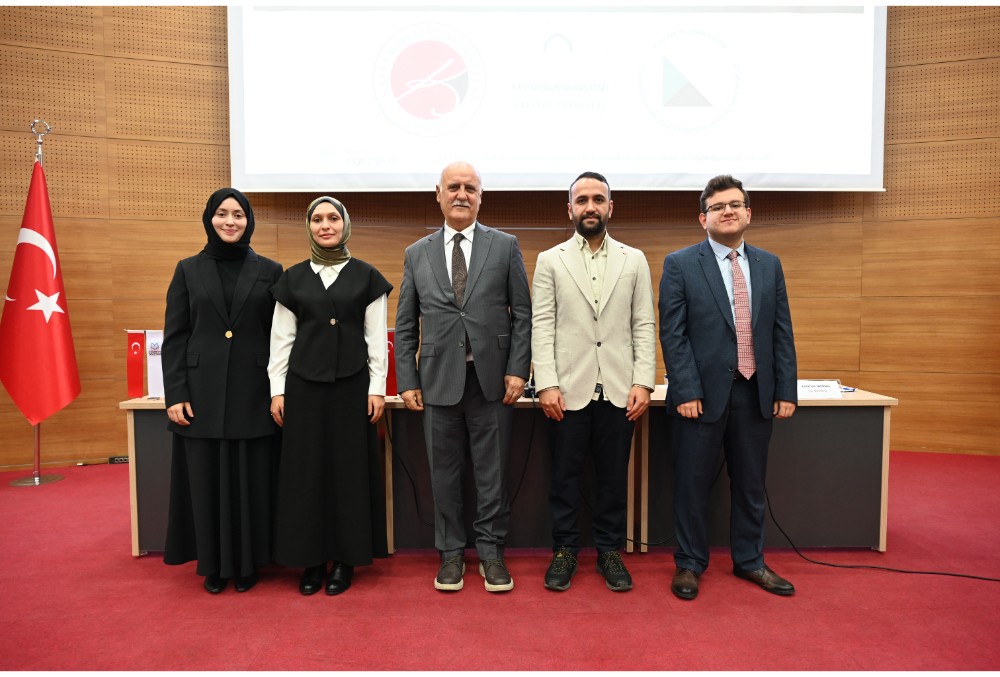
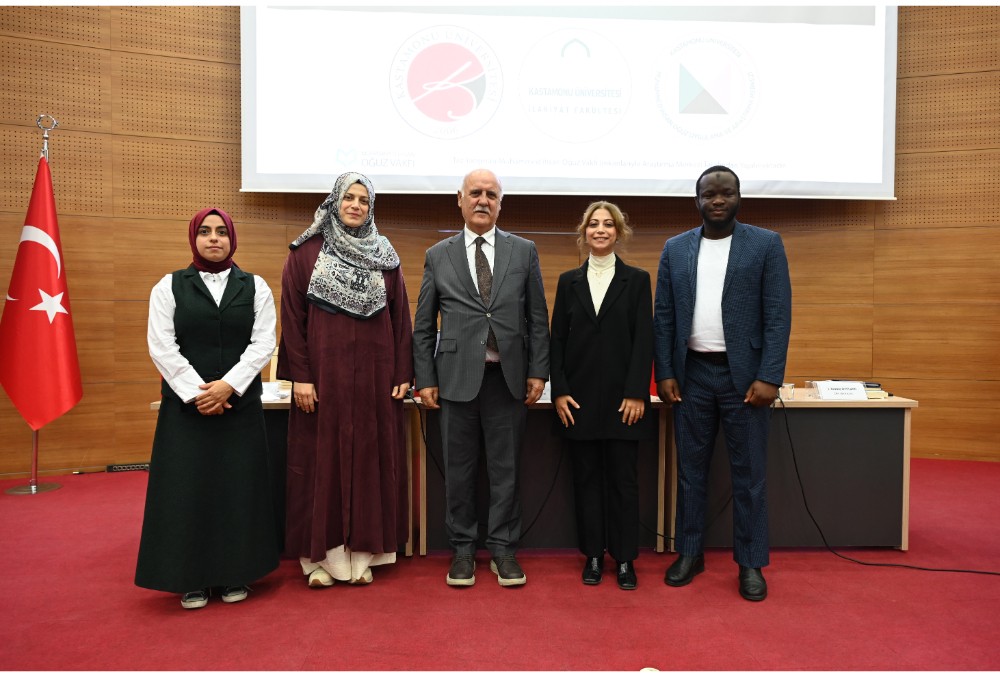
Following the speeches, awards were presented to the researchers who placed in the 7th Graduate Theology Thesis Competition, and plaques of appreciation were presented to the members of the Scientific Committee. The program concluded with a group photo